
Plants
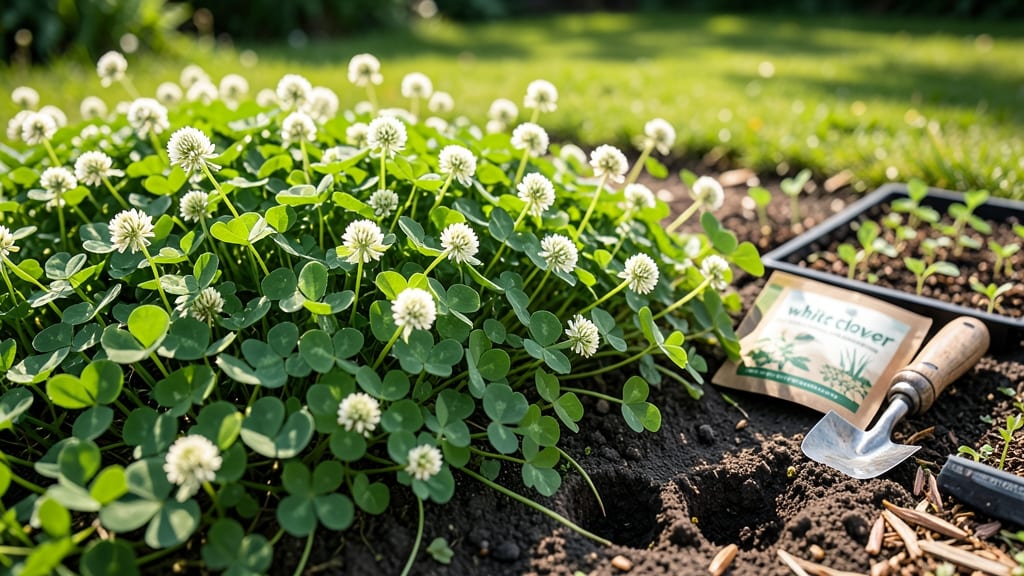
Planting clover in Maryland at the wrong time can leave you with weak, struggling plants that never fully establish—especially when those humid summers hit. The key to thriving 🌱 clover lies in timing it right, whether you're aiming for a lush lawn, erosion control, or pollinator support.
Maryland’s 7a-8a climate means your window for success is narrow: either early spring (March-April) or early fall (September-October). Plant too early, and frost can damage tender roots; too late, and summer heat stresses seedlings before they take hold.
I’ll break down exactly when to plant for maximum root strength and survival.
White Dutch clover for lawns needs cooler temperatures, while red clover thrives in fall’s mild conditions. The difference in establishment success between these two windows can be dramatic—especially in Maryland’s variable weather. Let’s dive into the best strategies for your specific goals and region.
You’ll discover how to prepare your soil, avoid common pitfalls, and choose the right variety for your yard—whether you’re in Baltimore’s urban heat or the cooler Eastern Shore. Ready to grow clover that actually lasts?
Optimal Maryland clover planting windows: spring vs fall breakdown
Timing your clover planting in Maryland isn’t just about avoiding frost—it’s about giving seeds the perfect 60-day window to establish roots before summer heat or winter dormancy sets in. White Dutch clover, red clover, and alsike clover all respond differently to Maryland’s USDA Zones 6-8, where last frosts can hit as late as April 15 in the mountains and first frosts arrive by November 15 on the coast.
Spring planting (March–April) gives clover a head start, but Maryland’s unpredictable spring rains and sudden cold snaps can derail germination. Fall planting (September–October) avoids summer’s intense heat stress, but early frosts in inland areas like Frederick County can catch seedlings off guard.
The key? Soil temperatures between 50°F–70°F—any cooler, and seeds rot; any hotter, and they dry out before sprouting.
| Planting Window | Optimal Months | Soil Temp Threshold (°F) | Frost Risk | Establishment Success Rate | Best For |
|---|---|---|---|---|---|
| Spring | March–April | 50°F–65°F | Moderate (late frosts possible) | 75–85% | White Dutch, lawn mixes |
| Fall | September–October | 60°F–70°F | Low (established before frost) | 85–95% | Red, alsike, pollinator mixes |
| Late Spring (Backup) | May (coastal areas only) | 65°F+ (risky) | High (summer heat stress) | 50–65% | Emergency overseeding |
For white Dutch clover, spring planting in March is ideal—its shallow roots establish quickly before summer’s 90°F+ heat stresses seedlings. In contrast, red clover thrives when planted in September; its deep taproots anchor before winter, making it 30% more drought-resistant by spring.
Alsike clover, Maryland’s native drought-tolerant option, bridges both seasons but peaks in late April plantings when soil warms steadily.
Maryland’s microclimates complicate timing: Coastal areas like Annapolis can plant 2 weeks later than inland Hagerstown due to delayed frosts.
Use your local Cooperative Extension Service frost date maps—planting white Dutch clover in late April in Baltimore risks summer dieback, while red clover seeded in November in Frederick may not germinate before frost.
Soil temperature is your #1 guide. Use a soil thermometer—wait until readings hit 55°F for spring or 65°F for fall. In Zone 7a (western MD), aim for March 15–April 1 spring plantings; in Zone 8a (eastern shore), shift to April 1–15 to avoid late-spring frosts.
Fall plantings should wrap up by October 15 to ensure 4–6 weeks of root growth before dormancy.
Watering schedules differ sharply between seasons.
Spring-planted clover needs daily light watering for 21 days to prevent crusting, while fall seedlings only require bi-weekly deep watering—Maryland’s autumn rains do most of the work. Mulch with straw (not wood chips) to retain moisture; organic mulch can raise soil temps 5°F, accelerating germination in cool springs.
Pro tip: Mix clover seeds with sand (1:1 ratio) for even distribution. Broadcast seeds at 10–15 lbs per 1,000 sq ft for lawns or 5–8 lbs for garden beds. Lightly rake to ¼-inch depth—deeper planting risks rot, while shallow coverage ensures sunlight reaches seedlings faster.
In Zone 6 (western MD), add a frost blanket if planting in late September.
Monitor for crabgrass competition—spring plantings often lose to weeds if not pre-treated with corn gluten meal. Fall plantings face fewer weeds but may attract voles; protect seedlings with wire mesh if gnawing is an issue in your area.
Both seasons benefit from overseeding bare spots in late summer (August) for a green lawn year-round.
Remember: Maryland’s humidity can turn clover into a fungal buffet if overwatered. Aim for 1 inch of water per week—let the soil dry slightly between waterings to prevent root rot.
With the right timing, your clover will fix nitrogen, outcompete weeds, and create a pollinator paradise—all while surviving Maryland’s un
Maryland-specific clover varieties and their ideal planting months
Maryland’s three distinct microclimates—Baltimore’s urban heat islands, Frederick’s Piedmont hills, and the Eastern Shore’s coastal breezes—each demand tailored clover planting times for success. White Dutch clover thrives in lawns, red clover attracts pollinators, while alsike clover handles drought.
Timing these varieties right ensures strong root systems before summer heat or winter frost strikes.
For Baltimore’s Zone 7b-8a, plant white Dutch clover in late March to early April or mid-September to avoid heat stress. The city’s higher humidity favors red clover in April or September, while alsike clover—drought-tolerant—benefits from early September planting to establish before dry spells hit.
Frederick’s cooler Zone 6b-7a shifts timing slightly: white Dutch clover in April or late September, red clover in May or August, and alsike clover in late August to capitalize on longer summer moisture. The Piedmont’s soil drainage requires extra attention for alsike clover to prevent waterlogging.
| Variety | Best Planting Months (Baltimore) | Best Planting Months (Frederick) | Best Planting Months (Eastern Shore) | Key Use |
|---|---|---|---|---|
| White Dutch Clover | Late March–Early April, Mid-September | April, Late September | Early April, Late August | Lawn improvement |
| Red Clover | April, September | May, August | May, August | Pollinator support |
| Alsike Clover | Early September | Late August | Late August | Drought tolerance |
The Eastern Shore’s Zone 7a-7b extends planting to late August for alsike clover, thanks to cooler coastal breezes. Red clover in May or August aligns with peak pollinator activity, while white Dutch clover in early April avoids spring flooding risks near Chesapeake Bay.
Always test soil pH (target 6.0–7.0) before planting, especially in Frederick’s limestone soils. White Dutch clover tolerates compacted lawns, while red clover needs well-draining beds for pollinator gardens. Alsike clover thrives in sandy soils common on the Eastern Shore.
For lawn overseeding, use white Dutch clover in spring or fall—never summer. Pollinator mixes with red clover should go in early fall for winter seedling growth. Drought-prone areas? Alsike clover in late summer is your best bet.