
Plants
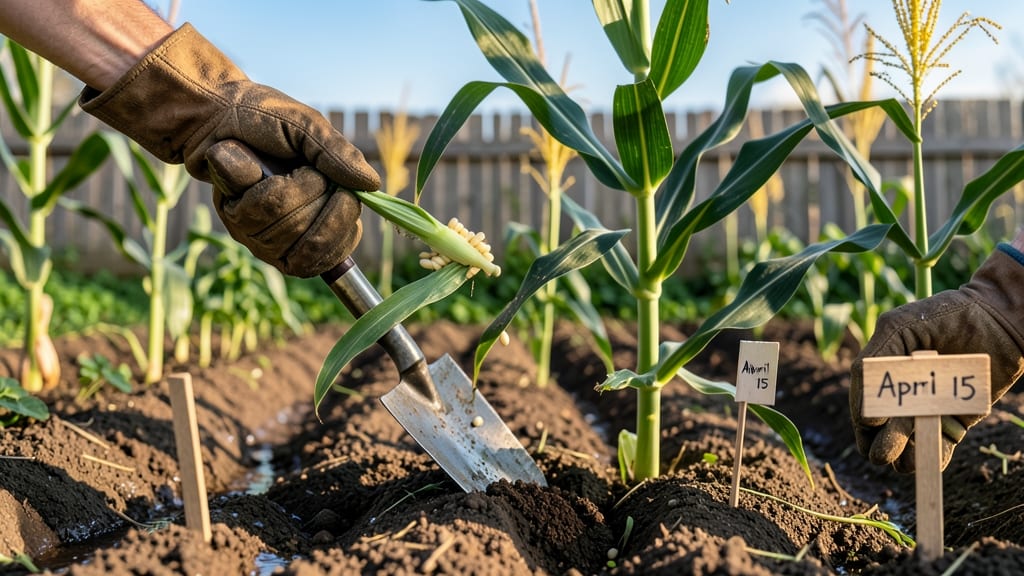
Planting corn in North Alabama at the wrong time can mean the difference between a bountiful harvest of sweet, juicy ears and a sad, wilted disappointment.
With the right timing—typically between mid-April and early May—you can align your 🌽 with the region’s 7a-7b climate and avoid those dreaded late frosts that strike around March 15.
But here’s the catch: soil temperature matters just as much as the calendar. Corn thrives when the ground hits 50-60°F, and waiting for that warmth ensures strong root development.
I’ve learned the hard way that rushing too early can leave your plants vulnerable, while planting too late might cut your harvest short before summer’s peak.
In this guide, I’ll break down exactly when to get those seeds in the ground—whether you’re in Huntsville’s cooler microclimate or the warmer valleys near Muscle Shoals. You’ll discover how to use frost-free timelines, soil thermometers, and even NOAA forecasts to fine-tune your schedule for maximum success.
Ready to turn your garden into a cornucopia? Let’s dive into the perfect planting window and the secrets to growing corn that’s so tall, it’ll make your neighbors jealous.
Optimal soil temperature & planting dates for corn in North Alabama
Corn thrives when planted in warm soil and after the last frost, but North Alabama’s Zone 7a/7b climate demands precision. The ideal soil temperature for germination is between 50-60°F, with 60°F being the sweet spot for consistent sprouting.
In my garden, I’ve learned that waiting for these conditions eliminates the risk of cold-soil rot and ensures vigorous early growth.
North Alabama’s last spring frost typically occurs between April 15 and May 1, but this can vary by microclimate. For example, Huntsville’s higher elevation often experiences frost a week later than Muscle Shoals.
To play it safe, I plant my early-season varieties two weeks after the average last frost date, giving nature a buffer against late cold snaps.
Here’s the golden window for planting corn in North Alabama: mid-April to early May. This timeline aligns with soil warming and the 120-day growing season most sweet corn varieties need to reach maturity before the first frost in mid-November.
Missing this window means risking stunted plants or ears that never fully develop.
Pro Tip: Use a soil thermometer to verify temperatures before planting. I bury mine 2 inches deep—the depth where corn seeds typically germinate—and check readings in the morning. If the soil hasn’t hit 55°F yet, it’s not time to plant, no matter how eager you are to see those first green shoots!
Corn varieties fall into three categories based on their maturity timeline: early, mid, and late season. Early-season varieties like ‘Silver Queen’ mature in 60-75 days, making them perfect for North Alabama’s shorter growing season.
I’ve had success with these planted in mid-April, ensuring a harvest by early July before the heat of summer sets in.
For mid-season varieties such as ‘Peaches and Cream’, aim for late April plantings. These take 75-90 days to mature, aligning with August harvests when temperatures are still cooperative.
I always plant these in blocks rather than rows to maximize pollination success—corn is wind-pollinated, and isolated plants often produce fewer ears.
If you’re dreaming of late-season harvests into September, opt for varieties like ‘Bodacious’. These 90-120 day varieties need to be planted by early May to avoid frost. In my experience, late plantings benefit from black plastic mulch, which warms the soil faster and suppresses weeds.
Just be prepared to water deeply during North Alabama’s dry spells!
One mistake I made my first year was planting corn too early in March, hoping to beat the competition. The cold soil delayed germination for weeks, and the seedlings that did emerge were leggy and weak.
Now, I wait until the soil hits 60°F consistently—usually mid-April—and I’ve seen 3x faster growth and healthier plants as a result.
For those in urban gardens or areas with limited space, consider bush corn varieties like ‘Golden Bantam’. These shorter plants mature faster and don’t require as much space as traditional varieties.
They’re also great for container growing, though you’ll need deep pots (at least 12 inches) to accommodate their roots.
Remember, corn loves warmth and consistency. Once your plants reach knee-high, they’ll need 1-2 inches of water per week. I set up a
How to adjust planting timing for North Alabama’s microclimates & frost risks
North Alabama’s diverse landscapes—from Huntsville’s cooler mountain valleys to Muscle Shoals’ warmer river plains—create distinct microclimates that can shift your corn’s ideal planting window by weeks. What works in one area might fail just 20 miles away, making local adjustments critical.
I’ve seen late frosts wipe out early plantings in March, while heatwaves in June can stunt growth if seeds are sown too late.
Urban gardens in cities like Birmingham often experience 2-3°F cooler nights due to concrete heat absorption, while rural areas near the Tennessee River may warm up faster. Elevation changes also play a role: every 1,000 feet up can delay your frost-free date by about 5-7 days.
For example, Huntsville’s higher elevations might need corn planted 2 weeks later than Muscle Shoals.
To navigate these variations, I rely on three key tools: a soil thermometer (to confirm 50-60°F), NOAA’s Frost/Freeze Forecast, and local extension service reports. These help me fine-tune my schedule beyond the general mid-April to early May window.
For instance, if NOAA predicts a late frost in late April, I’ll delay planting by 10-14 days or use row covers for protection.
⚠️ Late Frost Emergency Measures
If frost threatens after planting:
- Row covers: Use lightweight fabric to protect seedlings (remove during day).
- Clover or straw mulch: Spread 2-3 inches around plants to insulate roots.
- Water deeply: Moist soil retains heat better than dry soil.
- Avoid overhead watering: Wet leaves freeze faster.
For heatwaves: Shade cloth (30-50%) can prevent bolting in extreme heat (above 90°F).
Rural areas often have more predictable frost patterns, but urban gardens can experience unexpected heat islands that dry out soil faster. I’ve found that drip irrigation on a timer helps maintain moisture in these hot spots.
For elevated areas, consider planting shorter-season varieties (85-90 days) to ensure harvest before the first frost in November.
NOAA’s Frost/Freeze Forecast is my go-to for real-time adjustments. I set alerts for my specific county and use the 7-day outlook to decide whether to plant early or wait.
For example, if the forecast shows a 30% chance of frost in early April, I’ll hold off until the risk drops below 10%. Pair this with a soil thermometer check every morning—corn seeds won’t germinate below 50°F, no matter how eager you are!
Pro tip: Plant in blocks or wide rows (not single rows) to create your own microclimate. Corn thrives with wind protection, and taller plants can shield younger ones from late frosts. If you’re in a high-elevation area, stagger your planting by 10-14 days to extend your harvest window.
This way, even if one batch suffers, you’ll still get ears ready by July-August.
Remember, North Alabama’s growing season is short—only about 215 frost-free days. Every day counts, so use these adjustments to maximize your yield. With the right timing, you’ll go from finger-crossing to corn-on-the-cob feasts in no time.