
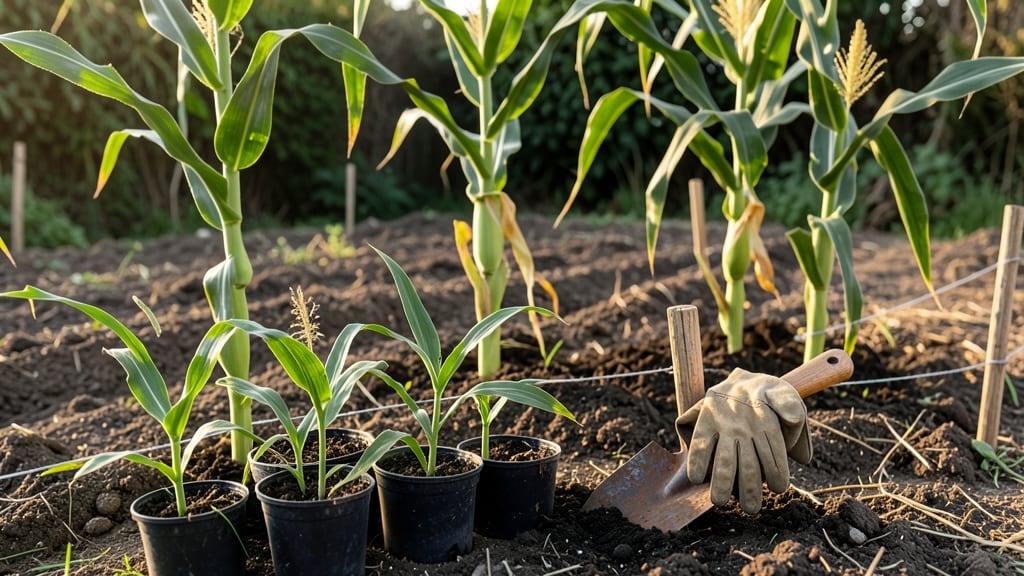
When to Plant Corn in Northern California: Soil Temp Triggers & Frost-Free Deadlines by County

Plants

When to Plant Corn in Northern California: Soil Temp Triggers & Frost-Free Deadlines by County

Timing your 🌽 corn planting in Northern California could make or break your harvest—get it wrong, and you might end up with stunted plants or missed opportunities for sweet, juicy ears.

Here’s the truth: The ideal window for planting corn in zones 7b-9a runs from late April through mid-June, but coastal areas and inland valleys have different frost-free deadlines that can shift your schedule by weeks.

I’ve grown corn in Northern California for years, and I’ve learned the hard way that waiting until soil temperatures hit 60°F (and nighttime stays above 50°F) is the key to strong, healthy stalks.

In this guide, I’ll break down the exact planting dates by county, share soil prep secrets, and even suggest varieties that thrive in our unique microclimates—so you can enjoy a harvest from July through October.

🌽 When to Plant Corn
Jan ā„ļø
Feb ā„ļø
Mar 🌱
Apr 🌽
May 🌽
Jun 🌽
Jul 🌱
Aug ā˜€ļø
Sep šŸ‚
Oct šŸ‚
Nov šŸ‚
Dec ā„ļø
Ideal Time
Also Good

Northern California corn planting dates by county: frost-free deadlines & soil temperature triggers

Northern California’s diverse microclimates—from foggy coastal areas to hot inland valleys—create wildly different corn planting windows. In USDA Zones 7b-9a, your county’s last frost date and soil temperature dictate whether your corn thrives or struggles.

I’ve grown corn in Sonoma, Sacramento, and Shasta counties, and I can tell you: planting too early in cold soils leads to rot, while waiting too long risks heat stress before harvest.

For successful corn growth, aim for soil temperatures above 60°F and nighttime temps consistently above 50°F. Coastal areas like Marin or Humboldt may have a 3-4 week later planting window than inland counties like Yolo or Fresno.

Below, I’ve mapped out the frost-free deadlines and ideal planting windows by county, so you can time your seeds for peak harvests from July through October.

🌽 Pro Tip: Use a soil thermometer (available for ~$10) to confirm temps—corn seeds won’t sprout below 55°F, and roots struggle in cold soils.

County Last Frost Date Soil Temp Trigger (60°F+) Optimal Planting Window Harvest Window Notes
Alameda April 15 Late April April 20 - May 15 July 15 - Sept 1 Coastal fog delays; use row covers for early starts.
Butte March 20 Early April April 10 - May 10 July 1 - Sept 15 Inland heat; plant early for full maturity.
Contra Costa April 10 Late April April 25 - May 10 July 10 - Aug 25 Warmer microclimates; shorter season.
Fresno March 5 Mid-March March 25 - April 15 June 15 - Aug 30 Longest growing season; plant heat-tolerant varieties.
Humboldt May 1 Late May May 15 - June 10 Aug 10 - Sept 20 Coastal delays; use fast-maturing varieties.
Marin April 20 Late April May 1 - May 15 July 20 - Sept 5 Fog-prone; extend season with black plastic mulch.
Sacramento March 10 Early April April 5 - April 25 June 20 - Aug 20 Early planting risks frost; monitor forecasts.
San Joaquin March 15 Mid-March March 30 - April 15 June 10 - Aug 15 Hot summers; prioritize drought-resistant varieties.
Shasta March 25 Early April April 10 - May 5 July 1 - Aug 25 Mount

How to time corn planting for maximum yield: soil prep, variety selection & success tips

Getting your corn planting timing right in Northern California is all about soil warmth and frost-free windows. Corn is sensitive to cold—plant too early, and you’ll risk stunted growth or rotten seeds.

I’ve learned that waiting until the soil hits 60°F (15°C) at a depth of 4 inches is non-negotiable for strong germination.

Beyond timing, your soil preparation sets the stage for success. Corn thrives in loose, well-draining soil with a pH between 6.0 and 7.0.

Before planting, I always mix in 2-3 inches of compost and work in a balanced fertilizer (like 10-10-10) to give those hungry plants a nutrient boost right away.

āš ļø Northern California Corn Planting Pitfall

Don’t fall for the myth that "earlier is better" for corn! Planting too soon—even if frost risk seems low—can lead to poor root development and blight. In coastal areas like Sonoma or Mendocino, wait until mid-May when nighttime temps stay above 50°F (10°C). Inland valleys like Sacramento can plant as early as late April, but always verify soil temps with a soil thermometer.

Pro Tip: Use a black plastic mulch to warm soil faster in cooler microclimates.

Choosing the right corn varieties is just as critical as timing. Heat-tolerant varieties like 'Golden Bantam' or 'Peaches & Cream' handle Northern California’s summer heat beautifully, while 'Early Sunglow' matures in just 65 days—perfect for shorter growing seasons.

I’ve had the most success with bicolor varieties, which are more flavorful and resistant to drought once established.

One mistake I see gardeners make is overcrowding their corn plants. Space them 12-18 inches apart in rows 30-36 inches wide to ensure good airflow and prevent fungal diseases.

Corn also benefits from companion planting—try pairing it with beans or squash to improve soil nitrogen and deter pests naturally.

Watering is another area where timing matters. Corn needs 1-2 inches of water per week, but it’s best to water deeply in the morning to reduce evaporation and fungal risks.

I use a drip irrigation system to keep moisture consistent, especially during tasseling and ear development (days 45-60 after planting). Avoid overhead watering, which can spread diseases like corn smut.

Finally, don’t forget to monitor for pests like corn earworms. I’ve found that hand-pollinating (rubbing tassels over silks) in the morning can boost yields, especially in windy coastal areas.

With the right timing, soil prep, and variety, you’ll be pulling sweet, juicy ears straight from your Northern California garden by July or August!

ā˜…ā˜…ā˜…ā˜…ā˜…4.6(6 reviews)
Categories Plants