
Plants
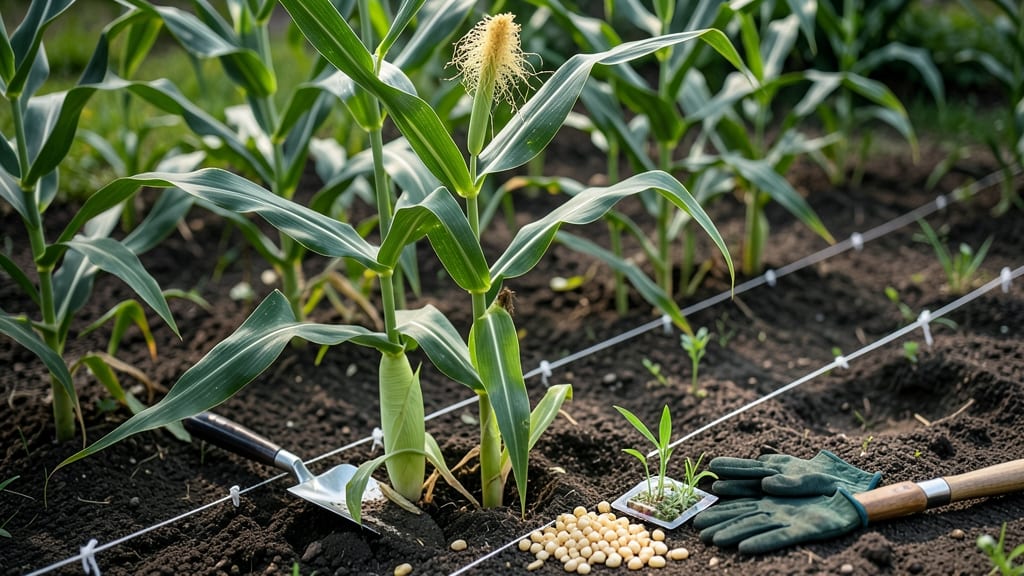
Planting corn in Seattle might seem tricky with its chilly springs and unpredictable weather, but timing it right can mean the difference between a bountiful harvest of sweet 🌽 and a sad, stunted crop.
The key lies in waiting for soil temperatures to warm—usually around 50°F—and avoiding those pesky late frosts that can wipe out tender seedlings.
Most gardeners in the Pacific Northwest start corn seeds indoors about 4-6 weeks before the last frost date, which typically falls in early May. But if you're direct-sowing, hold off until late May or early June when the ground is reliably warm.
This timing ensures your corn has enough time to mature before Seattle’s first frost in October.
Don’t worry if you’re new to growing corn—this guide will walk you through the best planting windows, soil prep tips, and even how to extend your growing season with row covers. By the end, you’ll know exactly when to plant for maximum yield and the juiciest ears possible.
Ready to grow your own corn? Let’s dive into the perfect planting schedule tailored for Seattle’s climate, so you can enjoy homegrown sweetness all summer long.
Seattle’s ideal corn planting dates based on frost risks
Seattle’s unpredictable spring weather means timing your corn planting right is critical. While the city typically enjoys 150-180 frost-free days, coastal areas may have fewer than 140 days, while inland zones stretch closer to 200.
Corn needs a long, warm growing season—most varieties require 75-90 days to maturity, leaving little room for error.
Your last average frost date in Seattle usually falls between April 15 and May 15, but urban heat islands and microclimates can shift this by 1-2 weeks.
For coastal areas, wait until May 10 to play it safe, while inland regions can start as early as April 20 if soil temperatures reach 60°F (15°C) consistently.
Corn seeds won’t germinate below 55°F (13°C), but they thrive when soil reaches 65°F (18°C). Use a soil thermometer to check—plant when temps hold steady for 5-7 days. In cooler years, consider black plastic mulch to warm soil 5-10°F faster.
For direct sowing, aim for 2-3 weeks after your last frost date. If you’re using starter plants, transplant 1-2 weeks earlier to give them time to establish roots. However, Seattle’s rainy springs mean young plants may struggle—always harden off seedlings for 7-10 days before moving them outdoors.
Watch for late frosts in June—they’re common in Seattle’s valley regions. If frost threatens, cover plants with frost cloth or row covers until temps rise above 32°F (0°C).
Corn is highly sensitive to frost, even as mature plants, so staggered planting every 2 weeks can extend your harvest window.
Your harvest window typically opens between late August and October, depending on variety and planting time. Early varieties like ‘Ambrosia’ (70 days) may ripen by mid-August, while late varieties like ‘Golden Bantam’ (90 days) need full-season protection.
If you’re pushing the limits, choose early-maturing varieties and plant near heat-absorbing surfaces like black fences or pavers. Avoid low-lying areas, where cold air pools and increases frost risk. With the right timing, you can enjoy homegrown sweet corn even in Seattle’s cool, damp climate.
Pro tip: Test your soil for nitrogen levels—corn is a heavy feeder and needs balanced nutrients to thrive. Amend with compost or aged manure before planting to ensure your 10-foot-tall stalks get the nutrients they need.
How to extend Seattle’s corn growing season for maximum yield
Seattle’s cool, wet springs and early autumn frosts can threaten your corn crop if you don’t plan ahead. But with the right strategies, you can extend the growing season and protect your plants from late-season chills.
The key is combining cold-hardy varieties, protective coverings, and smart planting techniques tailored to the Pacific Northwest’s climate.
One of the most effective ways to safeguard your corn is by using row covers or black plastic mulch. These tools create a warmer microclimate around your plants, accelerating growth and shielding them from unexpected temperature drops.
Pair these with staggered planting to spread out your harvest and reduce risk.
🌱 Proven Methods to Extend Seattle’s Corn Season
- Cold-Hardy Varieties: Choose early-maturing types like 'Early Sunglow' (65 days) or 'Ambrosia' (75 days) that tolerate cooler soils.
- Row Covers: Use lightweight fabric over seedlings to raise soil temps by 5-10°F and protect from light frosts (28°F).
- Black Plastic Mulch: Warms soil 10-15°F faster than bare ground; remove after 4-6 weeks to avoid overheating.
- Staggered Planting: Sow seeds in 2-week intervals (late May through June) for a continuous harvest window.
- Cold Frames: Build low tunnels with clear plastic to extend fall harvests by 2-3 weeks past typical first frost.
- Windbreaks: Plant tall perennials or use fencing to shield corn from chilly coastal winds that accelerate cooling.
For maximum protection, combine black plastic mulch with row covers during Seattle’s notorious May frosts. Remove covers once plants reach 12 inches tall to prevent overheating. If you’re planting late in the season, prioritize short-day varieties like 'Bodacious', which mature faster in cooler conditions.
Don’t forget to monitor your local microclimate—urban areas may warm up faster than rural zones. Use a soil thermometer to confirm 50°F+ soil temps before planting. For extra insurance, plant near heat-retaining structures like brick walls or south-facing fences.
With these techniques, you can push your corn harvest into late September or early October, giving you 4-6 weeks of extended growing time. Just remember: the earlier you start protecting your plants, the more resilient they’ll be against Seattle’s infamous unpredictable weather shifts.
By combining cold-hardy varieties, protective coverings, and staggered planting, you’ll turn Seattle’s short growing season into a corn-growing powerhouse. Soon, you’ll be enjoying homegrown sweetness long after most gardeners have packed up their tools for the year.