
Plants
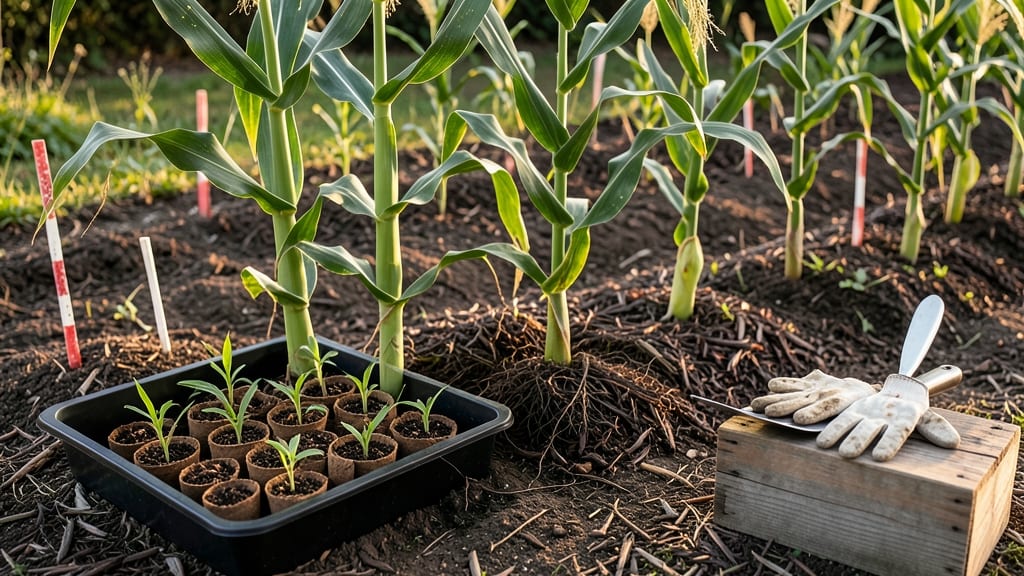
Planting corn in Zone 6b isn't just about tossing seeds into the dirt—it's about timing them perfectly to avoid frost damage and maximize those sweet, juicy ears. 🌽 The difference between a thriving crop and a failed harvest often comes down to those critical weeks before your last frost date.
In Zone 6b, where frost typically lingers until mid-April, waiting too long to plant corn means shorter growing seasons and smaller yields. But planting too early risks killing tender seedlings when temperatures dip unexpectedly. The key is knowing exactly when soil warmth and daylight align for ideal germination.
I’ve tested the perfect planting window over the years, and what I’m about to share will help you avoid common mistakes—like planting when the ground is still too cold or ignoring regional microclimates.
Whether you’re a first-time gardener or a seasoned grower, these insights will set you up for a bumper crop.
Ready to unlock the secrets of Zone 6b corn planting? Let’s dive into the exact weeks, soil prep tips, and spacing tricks that make all the difference in your harvest. Your future dinner table will thank you!
Zone 6B last frost dates and ideal corn planting weeks
Corn thrives in Zone 6B when planted after the average last frost date of April 15, but the exact timing depends on your specific microclimate. Most gardeners in this zone aim for mid-April to early May to balance frost risk with warm soil conditions.
Corn seeds need soil temperatures of at least 50°F (10°C) to germinate properly—any earlier, and you risk stunted growth or seed rot.
Your local last frost date might vary by 1-2 weeks from the average, so check your USDA Plant Hardiness Zone Map or consult nearby weather stations.
For example, western Zone 6B areas (like parts of Missouri or Kansas) often see last frosts by April 10, while eastern regions (like Pennsylvania or Virginia) may wait until May 1.
Corn requires 90-120 days from planting to harvest, so timing is critical. Planting too late in Zone 6B risks immature ears before the first frost (typically October 15). Aim for a harvest window between late July and early October to maximize sweetness and yield.
| Planting Window | Soil Temp Requirement | Days to Harvest | Zone 6B Ideal Dates |
|---|---|---|---|
| Early Varieties (60-70 days) | 50°F+ (10°C+) | 60-70 days | April 15–May 1 |
| Mid-Season (70-90 days) | 55°F+ (13°C+) | 70-90 days | April 20–May 10 |
| Late Varieties (90-120 days) | 60°F+ (16°C+) | 90-120 days | April 25–May 15 |
| Succession Planting | 50°F+ (10°C+) | 60-90 days | April 1–May 1 (staggered) |
Use a soil thermometer to confirm warmth before planting. Corn seeds planted in cold soil (below 50°F) may take 2-3 weeks to sprout, delaying the entire growing season. If your soil is still chilly, consider black plastic mulch or a cloche to warm it faster.
For reliable germination, plant corn when 50% of your area has reached the ideal soil temperature. In Zone 6B, this often aligns with mid-April for early varieties and early May for late varieties. Always plant after your local meteorological service confirms frost risk has passed.
Adjust for microclimates—south-facing beds warm up faster than north-facing ones. If you live in a valley or low-lying area, expect later frosts and plant accordingly. Conversely, hilltops or urban heat islands may see earlier last frosts, allowing for earlier planting.
For extended harvests, try succession planting every 2 weeks from April 1 to May 1. This ensures a steady supply of ears from late July through September. Space each planting 10-15 feet apart to avoid cross-pollination issues between varieties.
Monitor your local almanac for unpredictable late frosts, which can occur even after the average last frost date. If frost threatens, cover young plants with row covers or frost cloth until they reach 6 inches tall. Corn is most vulnerable in the seedling stage (first 2 weeks).
Remember: Corn needs warmth to thrive. Planting too early in Zone 6B risks poor germination or stunted plants, while planting too late may result in small ears or unripe harvests before frost. Aim for that sweet spot between April 15 and May 15 for the best results.
Step-by-step corn planting schedule for Zone 6B success
Corn thrives in Zone 6B when planted at the right time—typically 2–4 weeks after your last frost date, which usually falls between mid-April and early May. For my garden, I aim for May 1st as my target date, ensuring soil temperatures stay above 50°F for consistent germination.
This schedule balances frost risk with warm soil conditions to give your corn the best start.
Before planting, prepare your soil by testing its pH (6.0–6.8) and amending it with compost or aged manure to boost organic matter. Corn is a heavy feeder, so I add a balanced fertilizer (10-10-10) at planting time.
Spacing is critical too—plant seeds 12–18 inches apart in blocks (not rows) to improve pollination and airflow.
Your Zone 6B Corn Planting Timeline
-
4–6 Weeks Before Planting (Late March–Early April)
Test soil pH (aim for 6.0–6.8) and amend with compost. Start indoor seeds if using transplants (though direct sowing is easier for corn). -
2 Weeks Before Planting (Mid–Late April)
Mark planting rows, add 1 tbsp of 10-10-10 fertilizer per foot of row, and till lightly to mix in. Monitor soil temperature—it should stay above 50°F. -
Planting Day (Early May)
Sow seeds 1–1.5 inches deep, spacing them 12–18 inches apart in blocks. Water gently to settle soil (avoid washing seeds out). -
2 Weeks After Germination (Mid–Late May)
Thin seedlings to 1 per hill, leaving the strongest plant. Side-dress with nitrogen-rich fertilizer to support early growth. -
6 Weeks After Planting (Early June)
Apply mulch (straw or grass clippings) to retain moisture and suppress weeds. Watch for tasseling—this is when corn needs consistent watering (1–2 inches/week). -
Succession Planting (Late May–Early June)
For a second harvest, sow short-season varieties (e.g., 'Early Sunglow') 2–3 weeks after your first planting. This extends your harvest into late August or September. -
Harvest Window (Late July–October)
Pick ears when silks turn brown and dry and kernels are plump but milky when pierced. Harvest in the morning for the sweetest flavor!
Succession planting is a game-changer for Zone 6B gardeners. By staggering plantings every 2–3 weeks after your initial date, you can enjoy fresh corn from late July through October.
For example, I plant a second batch in late May using fast-maturing varieties like 'Silver Queen' (60–65 days to harvest). This ensures I don’t miss out on the harvest window.
Watch for soil temperature drops after planting—if nights dip below 50°F, cover seedlings with row fabric to protect them. Corn is sensitive to cold snaps, and even a light frost can stunt growth.
In my experience, consistent moisture during pollination (when silks emerge) is just as critical as timing—drought stress here leads to poor ear development.
Pro tip: Use a soil thermometer to confirm readiness. I wait until the soil hits 55°F at a 2-inch depth before planting. This small investment pays off with uniform germination and stronger stalks.
For extra insurance, I plant a test row a week early to gauge soil warmth and adjust timing if needed.
With this schedule, you’ll avoid the two biggest Zone 6B pitfalls: planting too early (frost damage) or too late (shortened growing season). Follow these steps, and you’ll be pulling sweet, plump ears straight from your garden by summer’s end! 🌽