
Plants
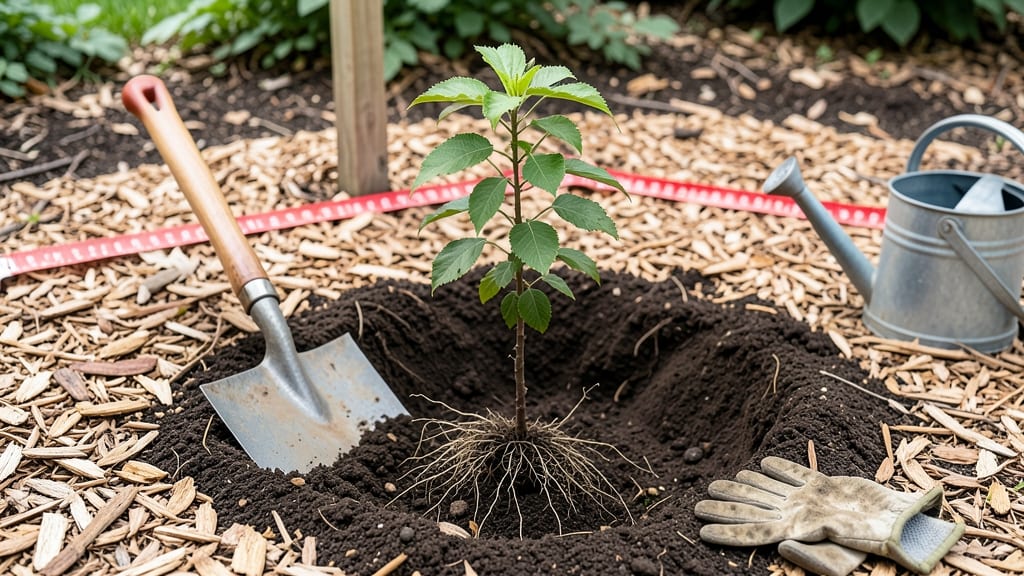
Planting your crepe myrtle 🌸 at the wrong time in Florida could mean struggling with weak growth or even losing your tree before it ever shows off those stunning summer blooms.
Unlike northern climates, Florida’s frost-free winters mean you’ve got more flexibility—but timing still matters to help your tree establish strong roots before the heat sets in.
Most Florida gardeners swear by planting in late spring or early summer, when temperatures are warm but not yet scorching. This gives your crepe myrtle the perfect head start, letting it focus on root growth before the intense summer sun kicks in.
But did you know some varieties actually prefer cooler fall planting? The key is matching your tree’s chill-hour needs to Florida’s microclimates.
Whether you’re adding a 6-foot dwarf variety to your front yard or a towering 20-foot standard as a shade tree, I’ll walk you through the exact planting windows that work best for Florida’s zones 8a-11.
You’ll also discover how to prep your soil, water properly, and protect your new tree from Florida’s brutal summer conditions—so it thrives from day one.
Ready to plant with confidence? Let’s dive into the best months for your crepe myrtle, plus pro tips to ensure your tree grows into the showstopper you’ve been dreaming of.
Best planting months for crepe myrtle in Florida by chill-hour needs
Florida’s microclimates and chill-hour needs make timing critical for crepe myrtle success. Unlike northern states, Florida’s USDA Zones 8a-11 allow year-round planting—but the best results come from matching your variety’s chill-hour needs to Florida’s warm winters.
For example, 'Natchez' thrives in North Florida’s cooler pockets, while 'Arapaho' handles South Florida’s heat with ease.
Most gardeners focus on spring planting (March-May) because it gives roots time to establish before summer’s intense heat. However, fall planting (September-November) works too—just avoid late fall in North Florida where light frosts can damage young trees. The key? Soil temperature should stay above 60°F for 6+ inches deep.
Here’s the comparison-table breaking down planting windows by chill-hour needs and Florida regions:
| Variety | Chill-Hours | Best Florida Regions | Spring Planting Window | Fall Planting Window |
|---|---|---|---|---|
| 'Natchez' | 300-400 | North FL (Zones 8a-9a) | March-April | September-October |
| 'Muskogee' | 400-500 | Central FL (Zones 9a-9b) | April-May | October-November |
| 'Arapaho' | 100-200 | South FL (Zones 10a-11) | May-June | September-October |
| 'Tonto' | 200-300 | Panhandle (Zone 8a) | March-April | September |
For North Florida gardeners (Zones 8a-9a), spring planting in March-April is ideal because it avoids late-winter frosts. Varieties like 'Natchez' and 'Tonto' need those extra chill hours to set buds properly. In contrast, South Florida’s (Zones 10a-11) 'Arapaho' and 'Sioux' varieties prefer late spring (May-June) to escape summer’s heat stress.
Fall planting works beautifully in Central Florida (Zones 9a-9b) for varieties like 'Muskogee', as the cooler temperatures help roots establish before summer’s return. However, avoid planting after October 15 in North Florida—young trees may not harden off enough before winter’s occasional light freeze.
Always check your local Florida Climate Center for microclimate variations.
If you’re in South Florida, May-June planting is your best bet. The hot, dry season helps prevent fungal issues, and established trees handle the heat better. For container-grown crepe myrtles, you can plant year-round in South Florida, but spring or fall still gives the best bloom performance.
Pro tip: Test your soil’s chill-hour compatibility by checking your USDA Zone and local average winter lows. For example, Orlando (Zone 9a) averages 300 chill hours, while Miami (Zone 10a) gets only 100-150. Match your variety accordingly to avoid bud drop or poor flowering.
After planting, mulch heavily (3-4 inches of organic mulch) to retain moisture and regulate soil temperature. In North Florida, add a light frost cloth during winter if planting in late fall. For South Florida, focus on shade cloth during the first summer to reduce transplant shock.
Remember: Crepe myrtles hate soggy roots. Florida’s clay-heavy soils in some areas require amending with compost or sand to improve drainage. Always plant in a slightly elevated spot to prevent waterlogging during Florida’s summer rains.
With the right timing and variety, your crepe myrtle will reward you with vibrant blooms from summer through fall—making it Florida’s most drought-tolerant and low-maintenance showstopper. 🌸
How to choose the right crepe myrtle variety for your Florida Zone
Selecting the perfect crepe myrtle for your Florida yard starts with understanding your chill-hour zone. Florida spans from USDA Zone 8a in the north to Zone 11 in the Keys, and each zone has specific chill-hour needs that determine which varieties will thrive.
Planting the wrong type can lead to sparse blooms or even tree failure.
For North Florida (Zones 8a-9a), where winters dip below 30°F, moderate-chill varieties like 'Natchez' or 'Arapaho' need 300-500 chill hours to bloom reliably. Meanwhile, South Florida (Zones 10a-11) requires low-chill varieties like 'Tonto' or 'Muskogee', which need 0-200 chill hours to avoid winter stress.
🌱 Step-by-Step Guide to Choosing Your Crepe Myrtle
- 📍 Check Your Zone: Use the USDA Zone Map to confirm if you're in North or South Florida. North Florida (Zones 8a-9a) needs moderate-chill varieties; South Florida (Zones 10a-11) needs low-chill types.
- 🌡️ Match Chill Hours: North Florida: 300-500 chill hours (e.g., 'Natchez', 'Muskogee'). South Florida: 0-200 chill hours (e.g., 'Tonto', 'Catahoula').
- 🌳 Consider Size & Color: Dwarf varieties like 'Dwarf Yaka' (6-8 ft) work for small spaces, while standard types like 'Arapaho' (20-30 ft) need ample room. Choose bloom colors—white, lavender, or pink—to match your landscape.
- 🛒 Source from Local Nurseries: Visit specialty nurseries like Palm Coast Palms (North FL) or Bonnet House Museum (South FL) for Florida-grown varieties. Avoid big-box stores for rare chill-hour-specific types.
- 🌿 Test Soil Drainage: Crepe myrtles hate soggy roots. Amend heavy clay soil with compost or sand to improve drainage. A simple percolation test (dig a hole, fill with water, time drainage) helps.
Once you’ve matched your chill-hour needs to the right variety, prioritize local nurseries that specialize in Florida-friendly plants. Avoid chain stores that may carry varieties unsuited to your zone. For example, 'Natchez' (a white-blooming favorite) struggles in Zone 10+ due to its 400 chill-hour requirement.
Pro tip: Container-grown crepe myrtles establish faster than bare-root plants in Florida’s heat. Look for 1-3 gallon pots at nurseries—they’re already adapted to local conditions. Just remember to water deeply after planting and apply 2-3 inches of mulch to retain moisture.
For North Florida, late spring (after April 15) is ideal to avoid early-season heat stress, while South Florida can plant year-round thanks to its frost-free climate. Always plant on a cloudy day or in the evening to reduce transplant shock.
With the right variety and timing, your crepe myrtle will reward you with season-long blooms and minimal fuss. Happy planting! 🌸