
Plants
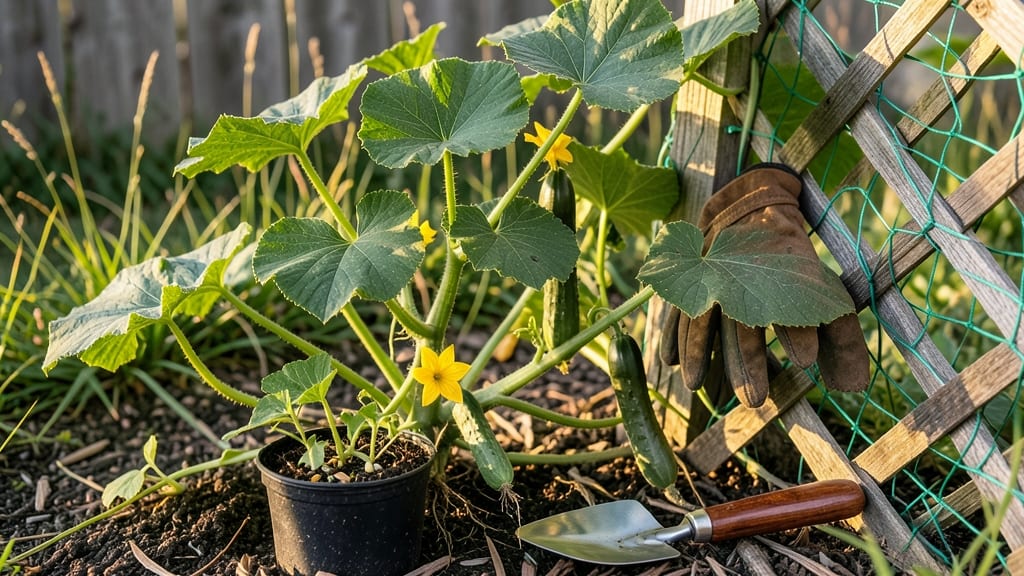
Timing your cucumber planting in Pennsylvania can mean the difference between a bountiful harvest and wasted effort—get it wrong, and your 🥒 vines might bolt before producing a single fruit.
The key is waiting until after the last frost, when soil temperatures consistently hit at least 60°F, which typically lands between mid-April and early June depending on your county.
But here’s the catch: Pennsylvania’s varied microclimates mean planting dates can shift by weeks from one end of the state to the other.
Whether you’re in Erie’s cooler Zone 5b or Philadelphia’s milder Zone 7a, knowing the right window—and how to adjust for late springs or early heatwaves—is the game-changer for success.
I’ve tested these strategies over years of gardening in PA, and what works isn’t just about dates—it’s about soil prep, variety selection, and even how you start your seeds.
Let me walk you through the exact steps to time your planting for maximum yields, from direct sowing to transplanting, and how to troubleshoot common mistakes.
Ready to grow cucumbers that thrive? You’ll discover the ideal planting timeline for your specific zone, plus pro tips to extend your harvest well into September—no more guessing, just guaranteed results.
Pennsylvania cucumber planting dates by hardiness zone (5a-7a)
Timing your cucumber planting in Pennsylvania is all about balancing soil warmth and frost risk. The state spans USDA zones 5a-7a, meaning northern counties like Erie (zone 5a) face later last-frost dates than Philadelphia (zone 7a).
For successful germination, aim for soil temperatures above 55°F—a critical threshold cucumbers won’t tolerate.
Direct sowing is the preferred method for cucumbers, but transplanting 3-4 week old seedlings can extend your growing season by 2-3 weeks. However, transplanted cucumbers often struggle with root shock in Pennsylvania’s clay-heavy soils, so choose this route only if you’re using raised beds or containers with well-draining mix.
Here’s how to match your county’s frost-free window with optimal planting times:
| Zone | County Examples | Last Frost Date | Direct Sow Window | Transplant Window | Soil Temp Threshold |
|---|---|---|---|---|---|
| 5a | Erie, Bradford, Warren | May 10–20 | May 25–June 5 | May 1–15 (hardened seedlings) | 55°F+ (use row covers) |
| 6a | Pittsburgh, Harrisburg, Scranton | April 25–May 10 | May 10–20 | April 20–May 5 | 60°F+ (ideal for germination) |
| 7a | Philadelphia, Allentown, Lancaster | April 10–20 | April 25–May 10 | April 1–15 | 65°F+ (fastest growth) |
⚠️ Pro Tip: Use a soil thermometer to confirm readiness—cucumbers won’t germinate below 55°F, even if air temps are warm.
In zone 5a, where Erie’s Great Lakes influence delays warming, plan for a 2-week buffer after your average last frost. Use black plastic mulch to warm soil faster and row covers to protect young plants from late frosts.
For Philadelphia’s zone 7a, you can even sow slicing cucumbers as early as late April if you’re willing to risk a light frost—just cover them immediately.
Transplanting cucumbers works best in zone 6a and 7a, where you can start seeds indoors under grow lights 3-4 weeks before your last frost. Harden off seedlings by moving them outdoors for 2-3 hours daily starting 1 week before transplanting.
Avoid transplanting in zone 5a unless you’re using containers with heat mats—the shock of cold soil can stunt growth for weeks.
For container growing in urban areas like Pittsburgh, choose bush varieties (e.g., ‘Bush Champion’) and plant in 5-gallon pots filled with 50% compost. These can be moved to sunniest balconies as early as mid-April, giving you a 3-week head start over in-ground plantings.
Just ensure pots have drainage holes to prevent root rot—cucumbers hate soggy feet.
Watch for false starts: A warm spell in May can trick you into planting too early. If nighttime temps drop below 50°F after germination, cucumbers may bolt prematurely or develop bitter fruit. Use a minimum-maximum thermometer to track nighttime lows—this is your best defense against spring’s whiplash.
Once planted, cucumbers thrive with consistent moisture and mulch to retain soil warmth. In zone 7a, you can even squeeze in a fall planting of short-season varieties like ‘Straight Eight’ by mid-July, harvesting before the first frost in mid-October.
Just reduce watering as temps drop to avoid blossom-end rot.
Remember: Soil temperature matters more than air temperature. A sunny 70°F day with 45°F soil will stall germination, while a 60°F day with 65°F soil will have cucumbers sprouting in 3-5 days. Invest in a $15 soil thermometer—it’s the single best tool for Pennsylvania cucumber success.
How to adjust planting for Pennsylvania’s microclimates and soil conditions
Pennsylvania’s diverse microclimates and clay-heavy soils can challenge cucumber growers, but smart adjustments ensure bountiful harvests. In humid zones like Pittsburgh, powdery mildew thrives, while northern regions like Erie face shorter growing seasons. The key is adapting your planting strategy to match your local conditions.
Start by extending your growing season with row covers or black plastic mulch. These tools warm the soil faster in spring and protect young plants from late frosts.
For example, in Zone 5a (Erie), use row covers until May 15 to safeguard seedlings, while Zone 7a (Philadelphia) can remove them by April 20.
Soil Prep Checklist for Cucumbers in PA
- ☑️ Test soil pH: Aim for 6.0-6.8 (add lime if too acidic)
- ☑️ Amend clay soil: Mix in 3 inches of compost or aged manure
- ☑️ Improve drainage: Use raised beds if water pools after rain
- ☑️ Warm soil faster: Lay black plastic mulch 2 weeks before planting
- ☑️ Add organic matter: Work in 1 cup 10-10-10 fertilizer per 10 sq ft
If your soil is clay-heavy, like much of central Pennsylvania, focus on raised beds or hill planting. Clay retains moisture but drains poorly, leading to root rot. Mix in sand or coconut coir to improve aeration, and avoid planting in low spots where water collects.
For container gardening, use 5-gallon pots with a well-draining mix of potting soil and perlite.
In humid microclimates (e.g., Pittsburgh), prevent powdery mildew by spacing plants 18-24 inches apart for airflow and watering at soil level instead of overhead. Choose disease-resistant varieties like ‘Straight Eight’ or ‘Armenian’ cucumbers, which tolerate high humidity better than standard types.
Prune lower leaves to reduce leaf wetness, a major mildew trigger.
For a second harvest in late summer, try succession planting after your first crop bolts. In Zone 6b (Harrisburg), sow heat-tolerant varieties like ‘Lemon Cucumber’ in early July for a fall crop.
Use drip irrigation to keep foliage dry and apply a neem oil spray preventatively every 2 weeks in humid conditions.
Remember, soil temperature matters more than air temperature for cucumbers. Wait until the soil reaches 60°F+ at a 4-inch depth—use a soil thermometer to check. In cooler microclimates (e.g., mountain valleys), opt for bush varieties like ‘Bush Champion’ to mature faster and avoid bolting.