
Companion Plants
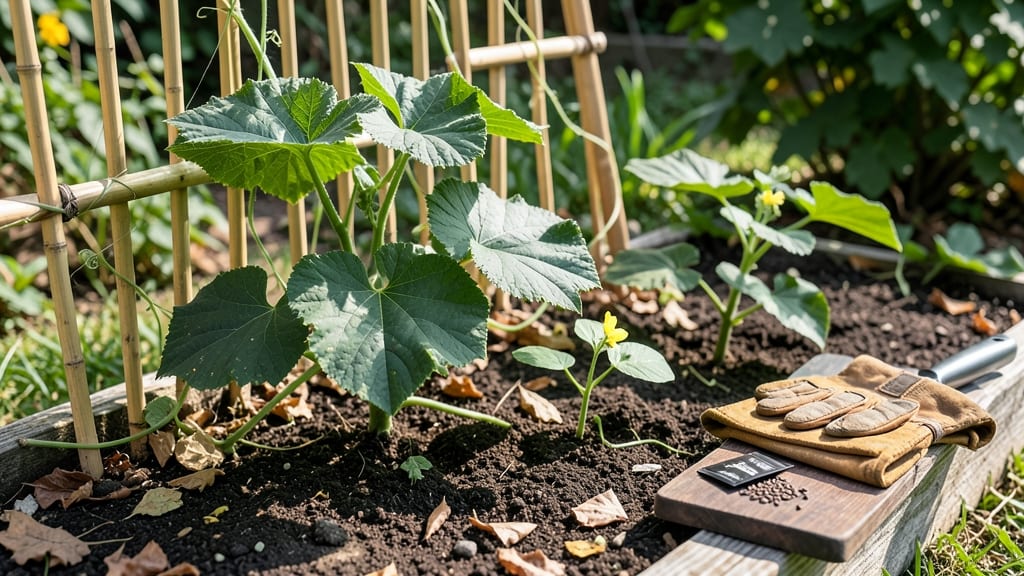
Planting cucumbers in South Carolina at the wrong time can mean the difference between a bountiful harvest and a sad pile of wilted vines.
The ideal window—when soil warms to 60°F and frost risk fades—varies by county, but missing it often leads to stunted growth or bolting before you even get to taste that first crisp 🥒.
If you’ve ever wondered why your neighbors’ cucumbers thrive while yours struggle, timing is likely the culprit. South Carolina’s USDA Zones 7b-8a offer two prime planting opportunities: spring (mid-March to early June) and fall (late July to early August).
But without knowing your exact last frost date—or how to work around heat waves—you might plant too early (risking frost) or too late (missing the harvest window).
I’ll break down the exact frost-free timeline for your county, plus pro tips to stretch your growing season.
Whether you’re a first-time gardener or a seasoned green thumb, these strategies will help you avoid common pitfalls like poor soil prep or overwatering—so you can enjoy homegrown cucumbers from June through October.
Ready to turn your garden into a cucumber powerhouse? Let’s dive into the perfect planting schedule and tricks to keep your vines happy all season long.
South Carolina’s frost-free zones: when to plant cucumbers by county
South Carolina’s USDA Zones 7b-8a create a perfect climate for cucumbers, but timing is critical. Last frost dates vary by county—plant too early and frost will zap tender seedlings, too late and summer’s heat arrives before harvest.
I’ve broken down the optimal planting windows for each region, including early vs. late varieties that thrive in SC’s humidity and heat.
Most of South Carolina’s coastal counties (Zone 8a) have earlier frost-free dates (mid-March to early April), while upstate areas (Zone 7b) wait until late April. Soil temperature is your best guide—wait until it reaches 60°F before planting.
For fall harvests, aim for late July to early August in all regions to avoid early frost.
🌱
| County | Last Frost Date | Optimal Planting Window | Early Varieties | Late Varieties |
|---|---|---|---|---|
| Charleston | Mid-March | Early April - Mid-May | 'Straight Eight' | 'Southern Sweet' |
| Beaufort | Late March | Late March - Early May | 'Marketmore 76' | 'Suyo Long' |
| Greenville | Late April | Mid-May - Early June | 'Bush Champion' | 'Armenian' |
| Columbia | Early April | Late April - Mid-May | 'Diva' | 'Corinto' |
| Spartanburg | Late April | Mid-May - Early June | 'Sweet Success' | 'Tyria' |
| Florence | Early April | Late April - Early May | 'Lemon' | 'Poona Kheera' |
| Myrtle Beach | Mid-March | Early April - Mid-May | 'Sweet Slice' | 'Tasty Green' |
For coastal counties like Charleston and Beaufort, start planting early April for a spring harvest by June.
These areas benefit from longer growing seasons and can even squeeze in a fall crop if planted by late July. Upstate counties like Greenville and Spartanburg should wait until mid-May to avoid late frosts.
Choose heat-tolerant varieties like 'Southern Sweet' for summer planting. This variety thrives in SC’s 90°F+ temperatures and produces crisp, sweet cucumbers even in July and August. For early spring planting, opt for cold-hardy types like 'Marketmore 76' that tolerate cooler soil temperatures.
💧
If you’re in a transition zone (like Columbia or Florence), consider using black plastic mulch to warm the soil faster. This trick lets you plant 2-3 weeks earlier in spring and extends the fall harvest window by delaying soil cooling.
Always pair mulch with drip irrigation to maintain consistent moisture—cucumbers hate dry soil!
For fall planting, aim to harvest before the first frost (mid-November in most counties). Succession planting every 2 weeks from late July to early August ensures a continuous supply. In Zone 8a (coastal areas), you might even get a second fall harvest if you plant by early September.
✂️
Pro tip: Use row covers for early spring plantings in upstate areas. These lightweight fabrics protect seedlings from unexpected late frosts while allowing sunlight and water to penetrate. Remove covers once plants are established (about 3-4 weeks after germination) to prevent overheating during SC’s humid summers.
Always test your soil pH (aim for 6.0–6.8) and amend with compost before planting. Well-draining soil prevents rot, and adding aged manure boosts nitrogen for lush vine growth. With the right timing and care, you’ll enjoy home
How to extend your cucumber growing season in SC’s hot summers
South Carolina’s summers can push cucumbers to bolt or wilt before producing a single fruit. The key to a bountiful harvest lies in strategic planning—using heat-tolerant varieties, shade solutions, and succession planting.
With the right techniques, you can enjoy crisp cucumbers from June through October without the stress of scorching temperatures.
First, choose heat-resistant varieties like ‘Southern Sweet 100’ or ‘Straight Eight’, bred to thrive in 90°F+ temperatures. These varieties resist bolting (premature flowering) and maintain fruit quality even when other plants struggle. Pair them with mulching to keep roots cool and conserve moisture.
🌱
- 1. Use 30% shade cloth to reduce soil temps by 10–15°F during peak heat. Install over trellises or directly above plants.
- 2. Mulch with straw to block sunlight from reaching soil, keeping roots 5–10°F cooler. Replenish every 4–6 weeks.
- 3. Plant in succession every 2 weeks from May–July to stagger harvests. Avoid overcrowding—space plants 12–24 inches apart.
- 4. Water deeply at dawn to prevent wilting and fungal diseases. Aim for 1–2 inches of water weekly, soaking soil 6 inches deep.
- 5. Trellis vines to improve airflow and reduce pest pressure. Use strong trellises to support 6–10 ft vines and keep fruit off hot soil.
Another game-changer is succession planting. Instead of one massive crop that bolts in August, sow small batches every 2 weeks from late April through early July. This keeps your harvest steady and reduces the risk of overproduction during heatwaves.
For example, plant ‘Sweet Success’ in early May, then follow up with ‘Marketmore 76’ in late June.
Don’t overlook the power of evening care. Water before 8 AM to let foliage dry quickly, preventing powdery mildew. If your cucumbers start wilting by noon, it’s time to increase shade or upgrade to 50% shade cloth.
Pair this with drip irrigation to deliver water directly to roots, cutting evaporation by 30–40%.
For late-season extensions, try fall planting in early August using ‘Straight Eight’ or ‘Arkansas Little Leaf’. These varieties handle cooler temps better and can produce until first frost. Just be sure to harvest before September 15 to avoid chilling damage to tender vines.
☀️