
Plants
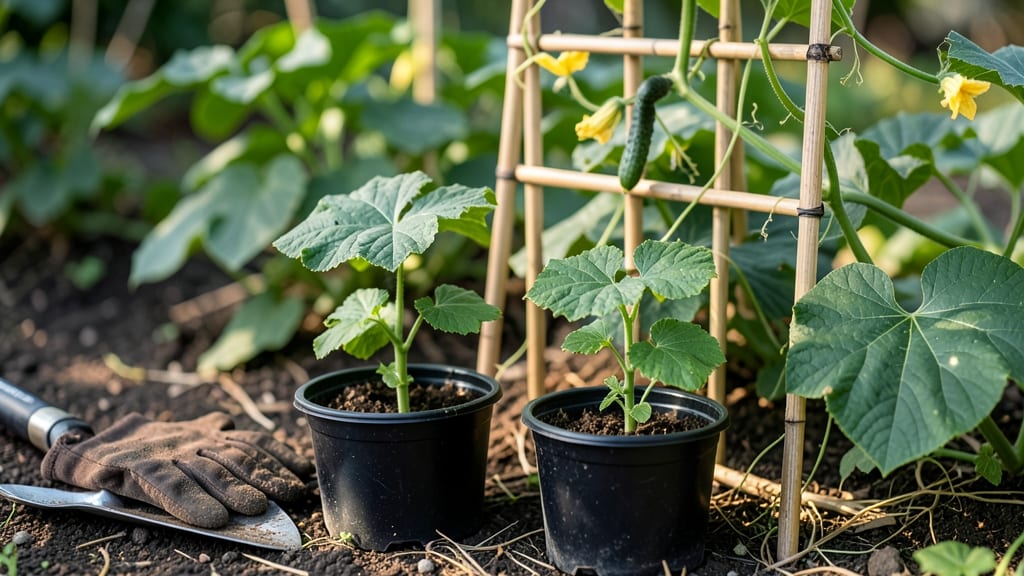
Planting cucumbers in South Texas at the wrong time means wilting vines and bitter fruit—or worse, no harvest at all.
The key to juicy, thriving 🥒 lies in knowing when to start seeds or transplant seedlings, so you avoid the brutal summer heat while still catching the sweet spot of spring and fall.
Most gardeners in zones 9a-10a rush to plant too early, only to watch their cucumbers bolt in the heat. But timing it right—like late February for spring or August for fall—gives your plants the 60°F+ soil they crave to germinate and grow strong.
I’ll show you exactly when to plant, plus the heat-tolerant varieties that won’t quit when temperatures soar.
You’ll also learn how to prep your soil for South Texas’s unique challenges—drainage, mulching, and even shade tricks to keep your cucumbers happy. Whether you’re a beginner or a seasoned gardener, these tips will help you harvest crisp cucumbers from May through November without the guesswork.
Ready to beat the heat and grow like a pro? Let’s dive into the exact months, varieties, and pro tips that’ll turn your garden into a cucumber paradise—no matter how hot it gets.
Best planting months for cucumbers in South Texas heat zones
Timing is everything when growing cucumbers in South Texas, where 90°F+ temperatures and unpredictable humidity can turn your garden into a high-stakes experiment. Unlike cooler climates, South Texas offers two distinct planting windows—spring and fall—each with its own microclimate quirks.
The Rio Grande Valley stays warm longer, while Hill Country cools faster, so knowing your zone is key to avoiding heat stress or blossom-end rot.
For spring plantings, aim for late February to early March in most areas, but coastal regions like Corpus Christi can start as early as January if nighttime temps stay above 55°F. Hill Country gardeners should wait until mid-March to dodge late frosts.
The trick? Soil must reach 60°F—cold soil delays germination and invites fungal diseases. Use a soil thermometer to check before sowing seeds ½ inch deep.
Here’s the exact breakdown for South Texas microclimates, including direct sowing vs. transplanting tips to maximize your harvest:
| Microclimate | Spring Planting Window | Fall Planting Window | Best Method | Key Tip |
|---|---|---|---|---|
| Rio Grande Valley (Zones 9b-10a) | Late Jan–Early Feb | Mid-Aug–Late Aug | Direct sow or transplant | Use shade cloth 30% in peak summer |
| Coastal (Corpus Christi, Galveston) | Mid-Feb–Early March | Late Aug–Early Sept | Direct sow (transplants struggle) | Mulch with straw to retain moisture |
| Hill Country (San Antonio, Austin) | Mid-March–Early April | Early Sept–Mid-Sept | Transplant seedlings | Choose bush varieties for less sprawl |
| West Texas (El Paso, Midland) | Early April–Mid-April | Late Sept–Early Oct | Direct sow only | Water deeply at dusk to avoid evaporation |
Fall plantings are your secret weapon in South Texas, letting you harvest cucumbers through October and November before cooler weather sets in. Start seeds indoors 6–8 weeks before your target date (e.g., sow in July for a September transplant).
For direct sowing, wait until August when daytime temps drop below 95°F—any hotter, and your seeds may rot in the soil.
If you’re transplanting, harden off seedlings for 7–10 days before moving them outdoors. Use black plastic mulch to warm the soil faster in spring or retain moisture in fall.
And here’s a pro move: trellis your vines to improve airflow and reduce disease risk—a must in South Texas’ humid summers. Just ensure your trellis can handle 10–15-foot vines!
Avoid these common mistakes: planting too early in January (risking frost), skipping succession plantings every 2 weeks for continuous harvests, or overwatering (which causes powdery mildew). Instead, water deeply in the morning and let the top inch of soil dry between waterings.
For extra insurance, choose heat-tolerant varieties like 'Straight Eight' or 'Lemon' cucumbers, which handle 100°F+ temps better than standard types.
Remember, South Texas cucumbers thrive when you work with the heat, not against it. By aligning your planting schedule with your local microclimate and using these seasonal strategies, you’ll enjoy crisp, homegrown cucumbers from spring through fall—no greenhouse required! 🌱
Heat-tolerant cucumber varieties that thrive in South Texas summers
South Texas summers can turn cucumbers into a gamble—unless you pick the right heat-resistant varieties. I’ve grown these top 5 cucumbers in my own garden, and they consistently deliver even when temps hit 100°F+.
These varieties handle disease pressure and drought-like conditions better than standard types, making them perfect for our Zone 9a-10a climate.
Before we dive in, let’s talk about planting timing. For South Texas, the ideal window is late February to early March for spring harvests, or August to early September for fall production. These varieties thrive when planted after last frost (typically mid-January) and before peak summer heat (June-July).
⚠️ PROS-CONS BOX: Heat-Tolerant Cucumber Varieties
🌱 Top Varieties
Pros: Classic slicing type, disease-resistant, high yield (20+ per plant).
Cons: Needs trellising; vines can sprawl.
Pros: Heat-loving, small fruit size (easy to harvest), no bitterness.
Cons: Lower yield than vining types; best for bush gardens.
Pros: Drought-tolerant, long harvest window, great for pickling.
Cons: Slower growth in extreme heat; needs consistent water.
💧 Care Tips
Pros: Deep watering (2-3L/day) prevents bitterness.
Cons: Overwatering causes fungal diseases.
Pros: 30% shade protects from sunburn in peak heat.
Cons: Reduces fruit set if overused.
Pros: Retains moisture, keeps roots cool.
Cons: Can trap too much humidity if not fluffy.
🌡️ Best for South Texas: Plant Straight Eight or Armenian in spring/fall; use Lemon for container gardens.
My go-to variety is 'Straight Eight'—it’s the reliable workhorse of my garden. This vining cucumber produces 8-inch, dark green fruits with minimal bitterness, even in 105°F heat. It’s also powdery mildew-resistant, a common issue in our humid summers.
For small-space gardens, I’ve had great luck with 'Lemon Cucumber', which stays compact and produces tiny, tangy fruits perfect for snacks.
'Armenian' cucumbers are my secret weapon for drought years. These long, ribbed cucumbers taste like a cross between a cucumber and a zucchini, and they keep producing even when other varieties wilt. They’re also great for pickling, which extends your harvest into winter storage. If you’re growing in containers, look for 'Bush Champion'—it’s a compact bush type that yields 15-20 cucumbers per plant without sprawling.
For local seed sources, I always check Texas A&M AgriLife Extension (they offer heat-tolerant varieties suited to our region) and Native American Seed in Junction, TX. Burpee and Johnny’s Selected Seeds also carry South Texas-friendly options like 'Suyo Long', a Japanese heirloom that thrives in hot climates.
Pro tip: Start seeds indoors 3-4 weeks before your target planting date to give them a head start against our long, brutal summers.
Remember, consistent watering is key—these varieties need 1-2 inches of water weekly, but mulch heavily to retain moisture. I use straw mulch around my plants to keep roots cool and hydrated, which cuts down on watering frequency by 30%.
Avoid wetting the leaves to prevent powdery mildew, and always harvest regularly to encourage more production.
With these heat-tolerant varieties and a few simple adjustments, you’ll be harvesting crisp, homegrown cucumbers all summer long—no wilting vines in sight! 🥒