
Plants
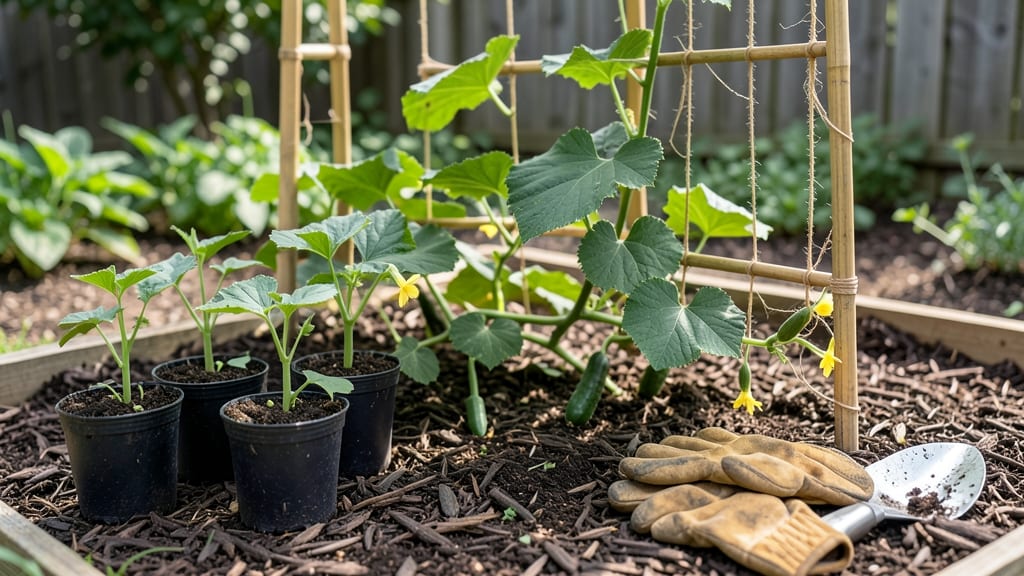
Timing your cucumber planting in West Virginia can mean the difference between a thriving 🥒 harvest and a sad, frost-nipped garden. Since the state's USDA Zone 6a climate swings wildly between chilly springs and scorching summers, getting those seeds in the ground at the right moment is absolutely critical.
Most gardeners here wait until after the last frost—typically mid-April to early June—but that's just the starting point. The real secret lies in soil temperature: cucumbers won't germinate properly until the ground reaches a steady 60°F or warmer. Plant too early, and you risk stunted growth or worse.
I've learned the hard way that rushing these heat-loving plants leads to disappointment. Whether you're a seasoned gardener or just starting out, knowing the exact window to plant cucumbers in West Virginia will give you the edge for a bountiful summer harvest.
In this guide, I'll walk you through the precise timing, soil prep, and early care tips that have helped me consistently grow thriving cucumbers year after year. Let's get those plants in the ground at the perfect moment!
Optimal planting dates for cucumbers in West Virginia’s USDA Zone 7
West Virginia’s USDA Zone 7 offers a short but productive growing season for cucumbers, but timing is everything. The last average frost date in most of the state falls around April 15, but mountain regions like the Allegheny Highlands can experience frost as late as May 1.
To avoid frost damage and ensure strong germination, wait until soil temperatures consistently reach 60°F or higher—typically mid-to-late May in most areas.
Cucumbers thrive in warm soil and direct sunlight, so planting too early can stunt growth or invite disease. My go-to method is to use a soil thermometer to confirm readiness—60°F is the magic number for cucumber seeds to sprout reliably.
If you’re impatient, you can start seeds indoors 3-4 weeks before your target outdoor date, but transplant carefully to avoid shock.
Here’s the critical timeline for West Virginia gardeners:
| Planting Window | Soil Temp Requirement | Last Frost Risk | Action |
|---|---|---|---|
| Mid-April to early May | Below 60°F | High (avoid) | Start seeds indoors (if using) |
| Late May | 60°F+ | Low (safe) | Direct sow outdoors (primary window) |
| Early June | 65°F+ | None | Succession plant for late harvests |
| July (mountain areas) | 60°F+ | None | Plant heat-tolerant varieties |
For direct sowing outdoors, my primary planting window is late May to early June, when the risk of frost has passed and soil is warm.
If you’re in higher elevations like the Monongahela National Forest region, push planting to June 1 to avoid late frosts. Succession planting every 2 weeks after your initial date ensures a steady harvest through summer.
West Virginia’s humidity and variable weather can delay soil warming, so always check local frost records. The West Virginia State Climate Office provides updated frost dates—bookmark their site for real-time adjustments. Cold snaps in June aren’t unheard of, so keep row covers handy to protect young plants.
If you’re starting seeds indoors, begin 3-4 weeks before your target outdoor date.
Use biodegradable pots to avoid transplant shock, and harden off seedlings by exposing them to outdoor conditions for 1 week before planting. Seedling trays should be placed near a south-facing window or under grow lights for 12-14 hours of light daily.
For container gardening, choose heat-tolerant varieties like ‘Straight Eight’ or ‘Marketmore’—they handle West Virginia’s summer heat better than standard types. Plant in 5-gallon pots with well-draining soil, and place containers in full sun (6+ hours daily).
Containers warm up faster than garden beds, so you can plant 1-2 weeks earlier than in-ground cucumbers.
Pro tip: Mulch heavily after planting to retain soil moisture and regulate temperature. Straw or shredded leaves work well in West Virginia’s climate, reducing watering needs by 30-40%. Avoid plastic mulch—it can overheat soil in our humid summers.
Remember, harvest time is just as critical as planting time. Cucumbers mature in 50-70 days, so time your planting to finish by early September before the first frost hits. Overripe cucumbers turn bitter and attract pests—check plants every 2-3 days once they start producing.
🌱
How to extend the cucumber growing season in West Virginia
West Virginia’s cool autumn nights and early frost risks can cut your cucumber harvest short—but with the right strategies, you can enjoy fresh 🥒 cucumbers well into October.
The key is combining season-extending tools with heat-tolerant varieties and smart planting techniques. Let’s break down how to push your harvest later into fall.
First, focus on protecting plants from frost while maintaining warmth. A cold frame or low tunnel can add 5-10°F of protection, while row covers create a microclimate that delays frost damage by 2-3 weeks.
These methods work best when paired with succession planting—staggering your plantings every 2 weeks ensures a continuous harvest.
🌱 5 Proven Ways to Extend Your Cucumber Season
- 1. Use cold frames or low tunnels: Extend harvest by 3-4 weeks by trapping heat during the day and insulating at night.
- 2. Plant heat-tolerant varieties: Choose ‘Straight Eight’ or ‘Marketmore’—both thrive in 80°F+ temperatures and resist bolting.
- 3. Install row covers: Lightweight floating row covers protect against light frosts (28°F) and deter pests like cucumber beetles.
- 4. Succession plant every 2 weeks: Start a new batch in late July for a September-October harvest before frost.
- 5. Mulch heavily with straw: Insulates roots and retains moisture during fall’s drying winds, keeping plants healthy longer.
For late-season success, prioritize heat-tolerant varieties like ‘Straight Eight’ or ‘Marketmore’. These parthenocarpic varieties (pollinate themselves) produce cucumbers even in high heat and short daylight conditions. Avoid slicing types like ‘Straight Eight’ if you’re growing for pickling—they’re better suited for long, hot summers.
Don’t overlook soil preparation—amend beds with compost and a balanced fertilizer (10-10-10) before planting. Well-draining soil prevents root rot, a common issue in West Virginia’s humid autumns. Add a 2-inch layer of mulch around plants to lock in moisture and regulate soil temperature.
Finally, harvest aggressively in fall to encourage more production. Cucumbers left on the vine overripe quickly in cool weather, so check plants every 2-3 days. Use a sharp knife to avoid damaging vines, and store harvested cucumbers in a cool, shaded spot to extend their shelf life.
With these strategies, you can enjoy homegrown cucumbers well past Labor Day—just in time for fresh salads and pickling projects! 🌿