
Plants
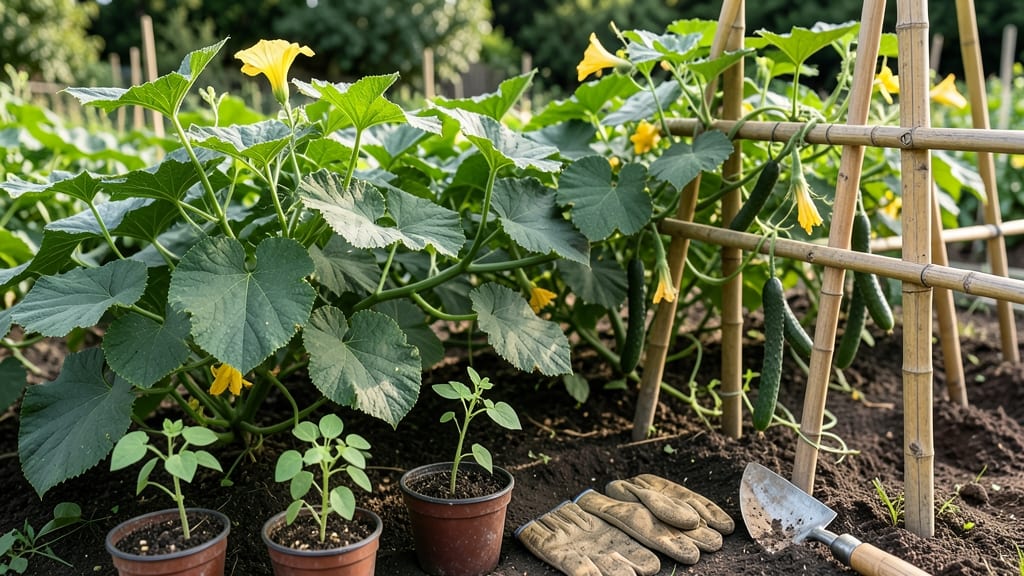
Planting cucumbers in Zone 8a isn't just about throwing seeds into the dirt—it's about timing them perfectly to beat the heat and frost.
With just a 2-week window between last frost and scorching summer temps, getting it right means the difference between a bumper crop of crisp 🥒 and wilted vines.
I've learned the hard way that planting too early risks frost damage, while waiting too long means your cucumbers bolt before they ripen.
The key is understanding your microclimate—whether you're in Southern California's coastal breeze or the Texas Hill Country's dry heat—so you can align your planting with soil warmth and daylight.
In this guide, I'll break down exactly when to plant for your specific conditions, including soil temperature tricks and variety choices that thrive in Zone 8a's unique climate. You'll discover how to stretch your harvest season and avoid common pitfalls that waste your efforts.
Ready to grow cucumbers that actually produce? Let's dive into the optimal planting schedule that works for your garden's rhythm, not against it.
Zone 8a cucumber planting calendar: exact dates by variety type
In Zone 8a, where average minimum temperatures range from 10°F to 15°F, cucumbers thrive when planted after the last frost date—typically around March 15 in Southern California or Texas Hill Country.
However, soil temperature matters more than air temperature: cucumbers need soil temps of 60°F+ to germinate properly. This usually aligns with late March to early April in most Zone 8a regions.
Your cucumber variety type (bush vs. vining) also dictates the best planting window. Bush varieties like 'Bush Champion' mature faster and handle heat better, while vining types like 'Straight Eight' need more time to establish before summer’s peak heat arrives.
Heat-tolerant varieties like 'Armenian' or 'Lemon' cucumbers can even handle late-summer replanting in August for a fall harvest.
For Southern California, aim to plant bush cucumbers by March 20 and vining types by April 1. In the Texas Hill Country, where springs can be unpredictable, wait until April 10 to ensure soil warmth.
Use a soil thermometer to verify—cucumbers won’t germinate below 55°F, and growth stalls below 60°F.
If you’re growing heat-tolerant varieties, consider a late-summer replanting in August for a fall harvest. These varieties, like 'Armenian' cucumbers, can handle 90°F+ temperatures and even produce through early October before cooler nights arrive. Just be prepared to mulch heavily to retain moisture during summer’s peak.
Pro tip: Stagger your plantings every 2 weeks to extend your harvest window. For example, plant 1/3 of your seeds on March 25, another 1/3 on April 8, and the final 1/3 on April 22.
This ensures you’re harvesting cucumbers from June through September without gaps. Just avoid planting after June 15, as vines struggle to establish before summer’s intensity peaks.
Watch for local microclimates—valleys may frost later than hilltops, and urban areas can be 5-10°F warmer than rural zones. Check your local NOAA frost data or use a frost-free date calculator to fine-tune your schedule.
For example, San Diego’s coastal areas often see last frosts by February 15, while inland Riverside may linger until March 20.
Once planted, trellis your vining cucumbers immediately to improve airflow and reduce disease risk. Bush varieties can be spaced 12-18 inches apart, while vining types need 3-4 feet of row space.
Use black plastic mulch to warm soil faster in early plantings and straw mulch to conserve moisture in summer. Water deeply at the base every 2-3 days, avoiding overhead sprinklers to prevent powdery mildew.
Remember: Cucumbers are 95% water, so consistent moisture is key. If you miss the spring window, don’t despair—late-summer plantings can still yield well with proper care. Just choose heat
How to extend your cucumber season in Zone 8a: staggered planting & successive crops
Zone 8a gardeners face a unique challenge: short harvest windows when cucumbers are planted all at once. The key to a continuous supply is staggered planting—sowing seeds in 3-week intervals to ensure fresh cucumbers from early summer through early fall.
This method prevents the dreaded "harvest gap" where vines produce all at once, then fizzle out.
I’ve found that successive crops work best when paired with heat-tolerant varieties like 'Straight Eight' or 'Marketmore 76'. These varieties thrive in Zone 8a’s 90°F+ temperatures and can handle late-season replanting. The secret? Adjusting your planting schedule based on your local frost dates—not just the USDA average.
For early-season success, I recommend direct sowing rather than transplants. Cucumber seedlings hate root disturbance, and even the hardiest starts struggle when moved.
Instead, sow seeds 1 inch deep in warm soil (60°F+) and thin to 2-3 plants per foot for bush types or 1 plant per 3 feet for vining varieties.
Late-season replanting is where heat-tolerant varieties shine. After your first harvest winds down in August, pull out spent vines and sow a final crop of 'Southern Sweet 100' or 'Armenian' cucumbers.
These varieties thrive in heat and can produce until first frost. Just be sure to water deeply in the morning to prevent fungal issues.
One game-changer I’ve used is succession planting in containers. Fill 5-gallon buckets with moisture-retentive potting mix and plant 1-2 seeds per container. Place them on a patio or deck where you can rotate them for optimal sunlight.
This method gives you flexibility to move plants as needed and extends your harvest by 3-4 weeks.
Remember, consistent moisture is non-negotiable. Cucumbers are 90% water, and even a single day of drought stress can cause bitter fruit or poor yields.
Mulch with straw or shredded leaves to retain soil moisture and regulate temperature. And always harvest frequently—picking every 2-3 days encourages more production.