
Plants
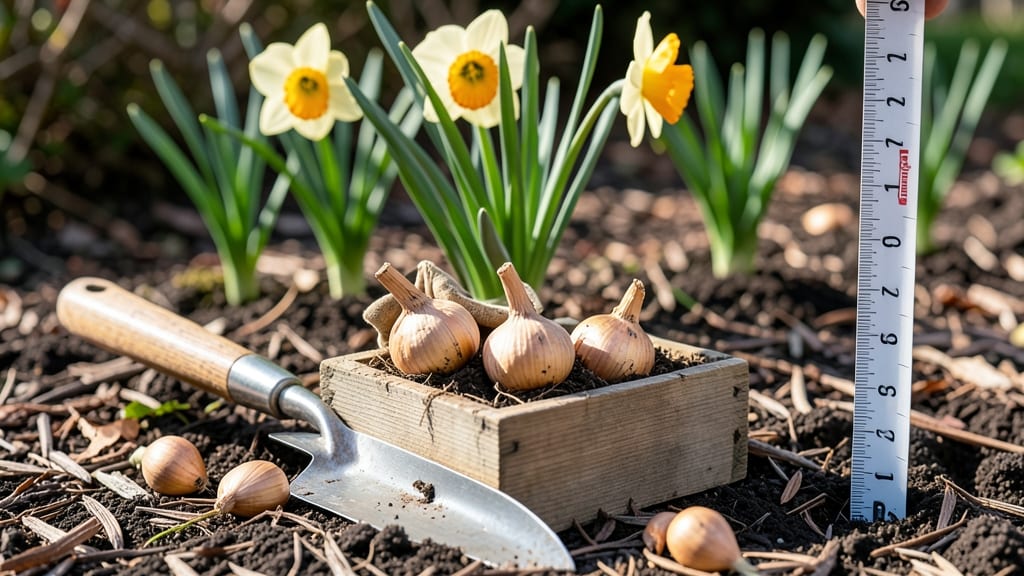
Planting daffodil bulbs at the right time in Massachusetts isn't just about following a calendar—it's about giving those 🌼 bright blooms the best shot at thriving through our unpredictable winters.
The key? Getting them in the ground 6-8 weeks before the first hard frost, typically between mid-October and November, when soil temps dip but haven't frozen solid.
Why does timing matter so much in Zone 6a? Because daffodils need that window of cool soil to establish roots before winter sets in. Plant too early, and they might sprout before frost; too late, and they won't have time to settle in.
I've learned the hard way that rushing or waiting too long can leave you with half-hearted blooms—or worse, no flowers at all.
Here's the game-changer: Massachusetts' frost dates can shift from year to year, but aiming for October through November gives you flexibility.
Whether you're in Boston or the Berkshires, I'll show you how to adjust based on your local microclimate—plus, the exact soil prep tricks that make all the difference for bold spring blooms.
Ready to turn your yard into a daffodil paradise? Let's dive into the step-by-step timing and pro tips that'll have your garden popping with color by April. Spoiler: It's easier than you think!
Best planting months for daffodil bulbs in Massachusetts Zone 5B
Daffodils (Narcissus spp.) thrive in Massachusetts' Zone 5B climate when planted during their natural dormancy period—typically in fall. This timing allows bulbs to establish roots before winter while avoiding the stress of summer heat.
For Zone 5B, the ideal window spans from mid-September to mid-November, with October being the sweet spot for most gardeners.
Scientifically, daffodils need 6-8 weeks of cool soil temperatures (below 60°F) to root properly. In Massachusetts, soil temps drop below this threshold in late September to early October, making this the perfect cue.
Planting too early risks rot, while late planting may leave bulbs vulnerable to early frosts or insufficient root growth.
Here’s how to align your planting with Massachusetts’ climate patterns:
| Planting Window | Soil Temp Threshold | Key Considerations | Massachusetts Timing |
|---|---|---|---|
| Early Fall (Best) | 50–60°F (10–15°C) | Balances root growth and frost avoidance | Mid-September to October |
| Late Fall (Risky) | Below 40°F (4°C) | Limited root growth; frost damage risk | Mid-November to December |
| Spring (Not Recommended) | Above 60°F (15°C) | Bulbs may rot; weak establishment | Avoid entirely |
| Adjust for Early Frost | N/A | Plant 4–6 weeks before first frost | By October 15 (Western MA) |
| Adjust for Mild Winters | N/A | Extend window to early December | Boston/Coastal Areas |
For Western Massachusetts (e.g., Springfield, Pittsfield), where frosts arrive earlier (around October 15), aim to plant by mid-October. In contrast, coastal areas like Boston often enjoy milder winters, allowing a slightly later window—up to early December—if soil remains workable.
Use the soil thermometer trick: Daffodil bulbs need consistent temps below 60°F for rooting. Stick a thermometer in your garden bed—once temps stay below this threshold for a week, it’s time to plant.
In most of Massachusetts, this happens by late September, but monitor local forecasts for early frost warnings.
If you miss the fall window, spring planting is possible but risky. Bulbs planted in March or April may not establish roots before summer heat, leading to poor blooms.
For best results, prioritize fall and store any leftover bulbs in a cool, dark place (like a refrigerator’s crisper drawer) until next year.
Pro tip: Mulch after planting with 2–3 inches of straw or shredded leaves to insulate bulbs from temperature swings. This is especially critical in Zone 5B’s variable climate, where sudden cold snaps can occur even in mild winters.
Mulch also suppresses weeds, giving your daffodils a head start in spring.
Remember, daffodils are hardy perennials—once planted correctly, they’ll return year after year with minimal effort. The key is timing: Plant in fall, let nature do the work over winter, and reward yourself with vibrant spring blooms that brighten up Massachusetts’ often gray early season.
🌼
How to choose the perfect planting time based on your location in Massachusetts
Massachusetts may be one state, but its microclimates can feel like entirely different gardening worlds. Coastal areas like Boston often enjoy milder winters, while inland spots like Western MA can experience earlier frosts.
This means the "perfect" planting time for daffodils in October might vary by weeks depending on where you live.
I’ve learned this the hard way—planting too early in September in the Berkshires led to premature sprouting, while waiting until December in Cape Cod left my bulbs struggling to root before winter.
To nail your timing, you’ll need to factor in three key variables: your USDA Zone (mostly 5B-6A), your local frost dates, and your specific soil conditions. Most of Massachusetts falls under Zone 6a, but even within that, frost dates can shift by weeks.
For example, Boston’s last frost typically lands around April 15th, while Springfield’s might be as early as April 1st. This means your planting window should adjust accordingly.
The golden rule for daffodils is to plant 6-8 weeks before the ground freezes. But how do you translate that into action? Here’s where local knowledge comes in. If you’re in coastal Massachusetts, you might push planting into early November. Inland or higher-elevation areas?
Aim for mid-October to give those bulbs enough time to establish roots before winter sets in. I’ve found that checking the Massachusetts Horticultural Society’s frost maps or using the National Weather Service’s local forecasts can save you from costly mistakes.
- 1. Check your last frost date: Use local records or online tools to find your area’s average first frost (usually October 20th for most of MA).
- 2. Count backward 6-8 weeks: Subtract 6 weeks from your frost date for the ideal planting window.
- 3. Test your soil temperature: Soil should be below 60°F but not frozen. Use a soil thermometer for accuracy.
- 4. Adjust for your microclimate: Coastal areas? Plant 1-2 weeks later. Inland or high elevations? Plant 1-2 weeks earlier.
- 5. Plant when soil is workable: If the ground is too wet or frozen, wait. Daffodils hate soggy soil—they need well-draining conditions.
Let’s break down the regional differences in Massachusetts. If you’re in Boston or the South Shore, you might still see daffodils blooming in March if planted in early November.
However, in Western MA or the Berkshires, planting after October 15th risks bulbs not rooting deeply enough before winter. My neighbor in Northampton swears by planting in early October—and her daffodils are always the first to pop up in her yard.
Don’t overlook the importance of soil preparation either. Daffodils thrive in well-draining soil with a pH between 6.0 and 7.0. If your soil is heavy clay, amend it with compost or sand before planting.
I once planted daffodils in my backyard without amending the soil, and by spring, the bulbs were rotting from waterlogged conditions. A quick soil test and some prep can make all the difference between a disappointing and a show-stopping display.
Finally, remember that bulb quality matters. Choose firm, plump bulbs with no signs of mold or soft spots. Plant them at a depth of 6-8 inches, with the pointy end facing up. Water them deeply after planting to encourage root growth, but avoid overwatering once they’re established.
With the right timing and care, your daffodils will reward you with vibrant blooms that brighten up even the grayest Massachusetts winters.