
Plants
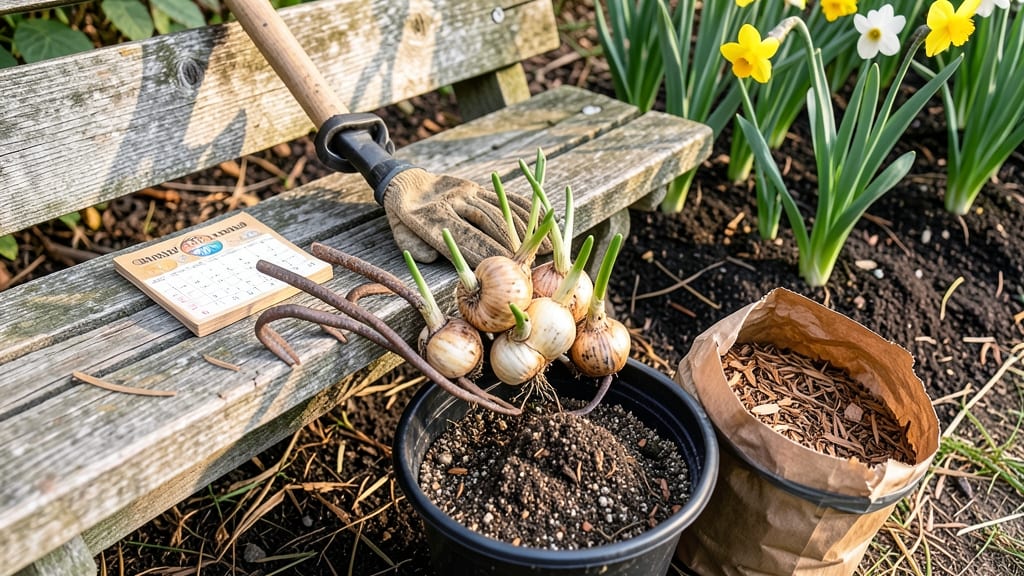
Planting daffodils in Maryland at the wrong time can mean the difference between a stunning spring display and a wasted investment. The key to reliable blooms lies in understanding your zone's chill-hour needs and avoiding the most common timing mistakes that trip up gardeners every year.
Maryland's 7a-7b climate gives you a narrow but critical window—typically between mid-October and mid-November—to get those bulbs in the ground before winter sets in. Too early, and they'll rot; too late, and they might not establish properly before frost.
I'll break down exactly when to plant for your specific zone, plus how to prep your soil for maximum success.
Don't worry if you missed this year's window—spring planting is still an option, though it requires different prep work. What you really need to know is how to time it perfectly for your location, whether you're in Baltimore's urban heat pockets or the cooler Appalachian foothills.
Let's get those 🌼 planted right the first time.
By the end, you'll have a clear timeline, soil prep checklist, and even some pro tips for dealing with Maryland's squirrel population (yes, they love daffodil bulbs too!). Ready to set your garden up for next spring's cheerful yellow blooms?
Maryland daffodil planting timeline by hardiness Zone (chill-hour breakdown)
Maryland’s USDA Zones 6-8 create a perfect stage for daffodils, but their chill-hour needs (3,000–5,000 hours) demand precision. Plant too early, and bulbs rot in warm soil; too late, and they won’t get enough winter chill to bloom.
The key? Understanding your local frost dates and matching them to the right daffodil varieties.
In Zone 6 (western Maryland), aim for 4,000–5,000 chill hours—ideal for late-blooming varieties like ‘Thalia’ or ‘Peeping Tom’. Zones 7a–7b (central/eastern Maryland) need 3,000–4,000 hours, perfect for early bloomers like ‘Tête-à-Tête’ or ‘Ice Follies’.
Zone 8a (southern Maryland) can handle 3,000 hours but risks poor blooms with fewer.
| Zone | Chill Hours Needed | Best Planting Window | Ideal Varieties | Frost Risk Notes |
|---|---|---|---|---|
| Zone 6 | 4,000–5,000 | Mid-October to early November | ‘Thalia’, ‘Peeping Tom’ | First frost: Nov 15; plant 6–8 weeks before |
| Zone 7a | 3,500–4,000 | Late October to mid-November | ‘Tête-à-Tête’, ‘Minnow’ | First frost: Nov 1; plant 4–6 weeks before |
| Zone 7b | 3,000–3,500 | Late October to early December | ‘Ice Follies’, ‘Carlton’ | First frost: Nov 10; plant 4–8 weeks before |
| Zone 8a | 3,000 | November to early December | ‘February Gold’, ‘Salome’ | First frost: Nov 20; plant 4–6 weeks before |
For Zone 6 gardeners, start planting by mid-October—soil temps should drop below 60°F but not freeze. Use a soil thermometer to check; bulbs need 4–6 weeks to root before winter.
In Zone 7a–7b, wait until late October to avoid warm spells that trigger early growth and frost damage.
Maryland’s microclimates add complexity. Coastal Zone 8a areas (like Calvert County) can plant later, but inland spots may need an earlier start. Test your soil’s chill accumulation with a chill-hour tracker or local extension data. For example, ‘February Gold’ thrives in Zone 8a but may bloom poorly in Zone 6.
After planting, mulch heavily (4–6 inches) in Zones 6–7 to insulate bulbs from freeze-thaw cycles. In Zone 8a, a lighter mulch (2–3 inches) suffices. Avoid organic mulches like straw near bulb necks—keep them exposed for airflow. Water deeply before the first frost to establish roots.
Spring planting is risky in Maryland but works for late varieties like ‘Salome’. Plant in early February when soil temps hit 40–50°F. However, blooms may be smaller or delayed due to insufficient chill hours. For reliable results, fall planting is non-negotiable.
Pro tip: Use daffodil companions like alliums or grape hyacinths to deter squirrels and mark planting spots. In clay-heavy soils (common in Zone 6), amend with compost or sand to prevent waterlogging. Test soil pH—daffodils prefer 6.0–7.0.
Track your local frost dates via the Maryland Department of Agriculture or Old Farmer’s Almanac. Adjust planting by 1–2 weeks if early frosts hit. With the right timing, your daffodils will reward you
Best months to plant daffodils in Maryland: soil temp, moisture, and variety tips
Maryland’s fall planting season (October–November) is ideal for daffodils because the bulbs establish roots before winter, giving them a head start for spring blooms. The key is planting when soil temperatures drop below 60°F—typically mid-October in most of Maryland.
This timing ensures the bulbs won’t rot while still having time to root before the ground freezes.
If you miss fall planting, early spring planting (February–March) is your second chance, but it requires more care. Plant as soon as the soil is workable (around 40–50°F) to avoid shocking the bulbs.
Spring-planted daffodils may bloom later or less vigorously than fall-planted ones, but they’ll still thrive with proper moisture and sunlight.
🌼
- 🌡️ Fall Soil Temp: Plant when soil is 50–60°F (mid-October).
- 💧 Moisture Needs: Keep soil evenly moist but not soggy for 4–6 weeks post-planting.
- 🌱 Dwarf Varieties: ‘Tête-à-Tête’ (6–8") thrives in containers or borders; plant 3–4" deep.
- ❄️ Spring Planting: Use February–March only if soil is 40–50°F; mulch heavily.
- 🌸 Late Bloomers: ‘Ice Follies’ (white/pink) needs 5,000+ chill hours; plant by November 1.
For Maryland’s clay-heavy soils, amend planting holes with compost or sand to improve drainage. Daffodils hate soggy roots, so avoid low-lying areas where water pools. If your soil is sandy or rocky, mix in a bit of organic matter to help retain moisture during root establishment.
Choose variety-specific planting times based on bloom goals. Early bloomers like ‘February Gold’ need 3,000–4,000 chill hours and can handle late-October planting. Late bloomers like ‘Salome’ (orange) require 5,000+ chill hours and should be planted by mid-November to ensure they get enough winter chill.
After planting, mulch with 2–3 inches of straw or shredded leaves to protect bulbs from freeze-thaw cycles and retain moisture. Remove mulch in early spring once shoots emerge to prevent rot. Water deeply once a week during the first growing season to encourage strong root growth.
🌱