
Plants
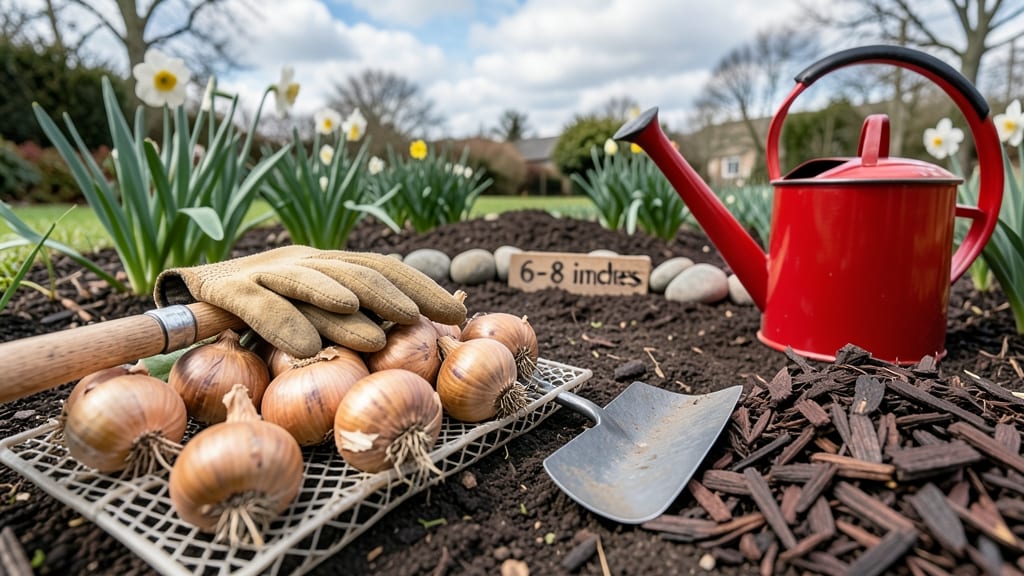
Planting daffodils in Zone 9b at the wrong time means your bulbs could rot before they ever bloom—especially when summer heat looms just months away.
Unlike cooler climates, these 🌼 beauties need a precise window to root before temperatures rise, and missing it can turn your garden dreams into a sad, shriveled mess.
Most gardeners assume fall planting is a one-size-fits-all solution, but Zone 9b’s mild winters demand a smarter approach. The key is getting those bulbs in the ground 6-8 weeks before soil temps drop below 60°F, which usually lands you in late October or November.
This timing lets roots establish while avoiding the brutal summer heat that can fry them before they sprout.
You might be thinking, "But my neighbor’s daffodils thrive without all this fuss!"—and they might, but that’s often luck, not strategy. The truth? Daffodils planted too early in Zone 9b can wake up from dormancy when temperatures spike, leading to weak growth or no blooms at all.
Let me show you the exact steps to set yours up for bold, reliable spring color—no guesswork required.
From soil prep to choosing the right varieties, I’ll walk you through everything you need to know to turn your Zone 9b garden into a daffodil paradise. Ready to skip the trial-and-error and get it right the first time?
Best months to plant daffodil bulbs in Zone 9b for reliable blooms
In Zone 9b, where summers are scorching and winters are mild, planting daffodil bulbs at the wrong time can spell disaster. These bulbs need 6-8 weeks of cool soil temperatures to develop strong roots before summer heat arrives.
Unlike cooler climates, Zone 9b gardeners must plant earlier to avoid bulb rot or failed blooms. The ideal window spans from late October to December, but timing depends on soil conditions and variety.
Daffodils thrive when soil temperatures stay between 50°F and 60°F during root establishment. In Zone 9b, this means avoiding summer planting entirely—bulbs planted in spring or early summer will bake in the ground and never bloom.
Instead, focus on fall planting when daytime highs drop below 75°F and nights cool to 60°F or lower. This mimics their natural dormancy cycle in cooler climates.
| Month | Soil Temp Goal | Planting Window | Success Factors |
|---|---|---|---|
| September | 65°F+ (Risky) | Early September (Dwarf varieties only) | Pre-chill bulbs for 4-6 weeks; use shade cloth |
| October | 60°F-65°F (Ideal) | Best time for most varieties | Plant when soil cools below 70°F; mulch heavily |
| November | 55°F-60°F (Optimal) | Peak planting month | Soil temps perfect for root growth; minimal heat stress |
| December | 50°F-55°F (Still Good) | Last chance before winter rains | Use raised beds for faster warming; protect from frost |
| January | 50°F+ (Too Late) | Not recommended | Bulbs may not root before summer heat |
October is the sweet spot for planting daffodils in Zone 9b. By this month, daytime temperatures typically drop to 75°F or lower, and soil begins cooling. Aim to plant when soil temperatures hover around 65°F—this gives bulbs 8-10 weeks to establish roots before summer heat returns.
Use a soil thermometer to monitor conditions; if temps rise above 70°F, delay planting until nights consistently drop below 60°F.
November extends the planting window but requires extra care. Soil temperatures in Zone 9b often dip into the 50°F-55°F range, which is ideal for daffodil root development. However, late November plantings may face winter rains, which can cause soil compaction.
Amend your soil with compost or perlite to improve drainage, and consider planting in raised beds for better control over moisture levels. Mulch with 3-4 inches of straw to insulate bulbs from temperature swings.
While December can still work, it’s a riskier month in Zone 9b. Bulbs planted this late may not have enough time to establish roots before summer heat arrives. If you must plant in December, choose dwarf varieties like 'Tête-à-Tête' or 'Minerva,' which mature faster.
Plant in well-draining soil and avoid low-lying areas where cold air pools. A lightweight mulch (like pine needles) will help regulate soil temperature without smothering the bulbs.
January plantings are not recommended in Zone 9b. By this time, soil temperatures often rise above 60°F, and bulbs may not develop sufficient roots before summer.
If you miss the fall window, consider container gardening—plant bulbs in pots filled with cactus/succulent mix and keep them in a shaded patio until soil temps drop again in fall. This buys you time to replant in October or November of the following year.
To maximize success, pre-chill bulbs for 4-6 weeks before planting if you’re on the early side (September). Store them in a paper bag in the fridge (not the crisper drawer) to simulate winter conditions. This tricks bulbs into thinking they’ve experienced a cold period, encouraging earlier root growth.
After planting, water deeply but avoid soggy soil—daffodils hate wet feet. A drip irrigation system set to shallow cycles keeps moisture consistent without overwatering.
One common mistake in Zone 9b is planting too shallow. Daffodil bulbs need to be buried 6-8 inches deep to protect them from summer heat. Sh
How to prepare daffodil bulbs for Zone 9b’s heat before planting
Zone 9b’s warm winters can trick daffodil bulbs into sprouting too early, leaving them vulnerable to summer heat. To prevent this, I always pre-chill bulbs for 8-12 weeks before planting. This mimics the cooler conditions they need to establish roots without rushing into growth.
Without this step, your bulbs might waste energy sprouting in 70°F+ soil, leading to weak or no blooms.
Start by storing bulbs in a paper bag or mesh container in your refrigerator’s crisper drawer (not the freezer!). This keeps humidity stable while allowing airflow—critical for preventing rot.
Check them weekly for soft spots or mold, which means they’re already compromised. If you’re short on fridge space, a cool basement or garage (below 50°F) works too.
⚠️ WARNING: Planting Without Pre-Chilling in Zone 9b
⚠️ DON’T Plant Daffodils in Zone 9b Without These 3 Steps!
Bulbs planted without pre-chilling risk premature sprouting in warm soil, leading to:
- ❌ Weak stems that flop under summer heat
- ❌ No blooms—energy wasted on foliage instead
- ❌ Bulb rot from soggy soil in unseasonable warmth
🌡️ Pro Tip: Test soil temps with a thermometer—plant only when soil is 60°F or cooler.
Once pre-chilled, amend your soil with compost or aged manure to improve drainage—a must in Zone 9b’s heavy clay soils. Daffodils hate soggy roots, so mix in sand or perlite if your soil compacts easily.
Aim for a planting depth of 6-8 inches deep, with the bulb’s nose pointing upward. In containers, use a well-draining mix with 20% perlite to prevent rot.
After planting, apply a 2-3 inch mulch layer of straw or wood chips to insulate bulbs from temperature swings. This mimics the cooler, stable conditions they’d get in cooler climates. Water deeply once a week (but never let soil stay soggy)—daffodils need moisture to root but can’t handle waterlogged soil.
In January-February, reduce watering as blooms appear to encourage strong stems.
For extra insurance, I often plant bulbs in raised beds or containers, which warm up slower than in-ground soil. This gives roots more time to establish before summer’s heat arrives.
With these steps, your daffodils will burst into vibrant spring color—not wilt before they even begin. The key? Patience and prep beat guesswork every time.
🌼