
Plants
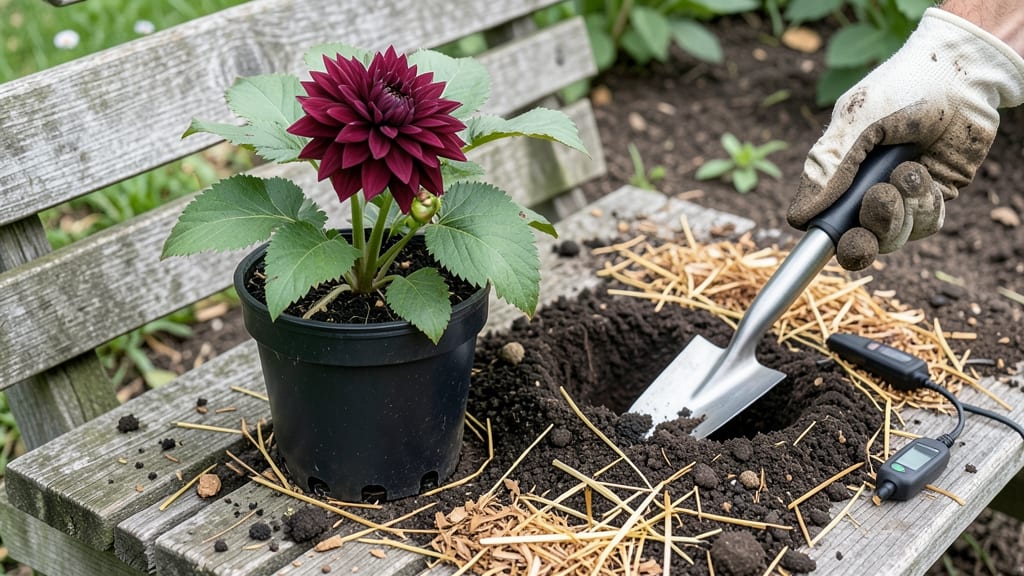
Planting dahlias in Alabama at the wrong time means either wilting in the heat or missing out on those show-stopping blooms entirely—so timing isn’t just important, it’s everything.
With Alabama’s 7b-8b climate, you’ve got a narrow window between last frost (usually mid-March) and the scorching summer heat that can stress young tubers.
I’ve learned the hard way that rushing dahlias 🌼 into the ground too early can leave them vulnerable to late frosts, while waiting too long risks stunted growth before peak summer blooms.
The key is planting when soil temperatures hit a steady 60°F—that’s typically late April to early May in most of the state.
But here’s the game-changer: even within Alabama, your exact planting window depends on whether you’re in Birmingham, Mobile, or rural areas. We’ll break down the best months for your specific heat zone, plus how to prep tubers and space them for maximum blooms.
Ready to get those dahlias thriving? Let’s dive into the perfect planting schedule for your Alabama garden, so you’re not left with half-sized flowers or sad, sunburned leaves by July.
Alabama heat zones and dahlias: the perfect planting window by county
Alabama’s USDA Zones 7b-9a create dramatic differences in dahlia planting success. In Mobile (Zone 8b), you can start tubers in late February when soil hits 60°F+, while Huntsville (Zone 7b) gardeners must wait until mid-April to avoid frost.
This variance means your county’s last-frost date and heat intensity dictate your 3-week pre-bloom window for maximum impact.
Dahlias thrive with consistent warmth and 120-150 frost-free days. Alabama’s first-frost averages range from mid-October in north Alabama to late November in the south. Planting too early risks heat stress and bolt, while late planting cuts your peak bloom season short.
The key? Align your planting with soil temperature, not just calendar dates.
Here’s your county-by-county planting timeline, including soil temp thresholds, ideal transplant dates, and bloom windows to plan ahead for cut flowers or showstopper displays.
| County/Zone | Last Frost (Avg.) | Soil Temp Threshold | Plant Window | Bloom Window | Key Risk |
|---|---|---|---|---|---|
| Mobile (8b) | Feb 28 | 60°F+ (late Feb) | Feb 20 - Mar 15 | July 1 - Nov 15 | Heat stress |
| Birmingham (7b) | Mar 15 | 60°F+ (early Apr) | Apr 1 - Apr 30 | July 15 - Oct 31 | Late frost |
| Huntsville (7a) | Apr 1 | 60°F+ (mid-Apr) | Apr 15 - May 15 | Aug 1 - Oct 15 | Short season |
| Montgomery (8a) | Mar 1 | 60°F+ (late Mar) | Mar 15 - Apr 15 | July 10 - Nov 1 | Humidity stress |
| Gadsden (7b) | Mar 20 | 60°F+ (early Apr) | Apr 1 - Apr 20 | July 10 - Oct 20 | Late frost |
| Dothan (8a) | Feb 20 | 60°F+ (late Feb) | Feb 25 - Mar 10 | June 20 - Nov 10 | Heat stress |
Notice how Mobile and Dothan (Zone 8a/b) can start 6 weeks earlier than Huntsville (Zone 7a)? This isn’t just about frost—it’s about soil warmth. Use a soil thermometer to confirm 60°F+ at 6-inch depth before planting.
In cooler zones, extend your season by starting tubers indoors 4-6 weeks before your target date.
Your 3-week pre-bloom window begins when tubers are planted. For maximum blooms, aim to have dahlias established by June 1 in most of Alabama. This gives roots time to anchor deeply before summer heat peaks.
In south Alabama (Zones 8b+), you can push this to May 1 for late-season color.
Pro tip: Stake or cage dahlias at planting to avoid wind damage during Alabama’s summer thunderstorms. Tall varieties like ‘Café au Lait’ (6 ft) need extra support in Mobile’s humid winds, while dwarf varieties (1-2 ft) thrive in Birmingham’s container gardens with less wind exposure.
After planting, mulch heavily to retain moisture and cool roots. Alabama’s sum
Signs Alabama’s soil is ready for dahlias (beyond the calendar)
Counting on Alabama’s last frost dates alone is risky—your dahlias need more than just a calendar to thrive. The soil temperature must reach 60°F+ consistently for 5+ days, and native plants like azaleas should be in full bloom.
These natural cues tell you when your garden is truly ready, not just when the weather might cooperate.
Microclimates in Alabama add another layer of complexity. Urban areas like Birmingham can be 5-10°F warmer than rural spots, while coastal regions near Mobile may stay cooler longer. Ignoring these variations means your dahlias could struggle or bolt prematurely. Here’s how to read your soil’s signals before you plant.
- 1 Soil temperature hits 60°F+ at 6-inch depth for 5+ days. Use a soil thermometer—dahlias won’t sprout in cooler soil.
- 2 Native azaleas are in full bloom. Their timing aligns with dahlias’ ideal planting window in Alabama’s Zone 7b-8b.
- 3 Daytime highs stay above 70°F consistently. Dahlias bolt in heat if planted too early—wait for stable warmth.
- 4 Nighttime lows don’t dip below 55°F. Cold snaps after planting can shock tubers and delay blooms.
- 5 Weeds like henbit or chickweed are thriving. Their growth signals warmer, moist soil—perfect for dahlias.
Don’t overlook urban heat islands if you garden in cities. Asphalt and buildings can raise temperatures by 10°F or more, tricking you into planting 2-3 weeks earlier than rural neighbors.
Test your microclimate by comparing your soil’s warmth to a shady, wooded area—if yours heats up faster, delay planting by a week.
Once you’ve confirmed these 5 readiness cues, it’s time to plant. But here’s a pro tip: Pre-soak tubers for 24 hours in lukewarm water to kickstart growth. This head start helps dahlias catch up if your season starts late. Just avoid overwatering—soggy soil leads to rot.
Alabama’s short growing season means every day counts. By trusting soil temperature, native plant cues, and microclimate adjustments, you’ll give your dahlias the best possible start—and a longer, more vibrant bloom season. 🌼