
Plants
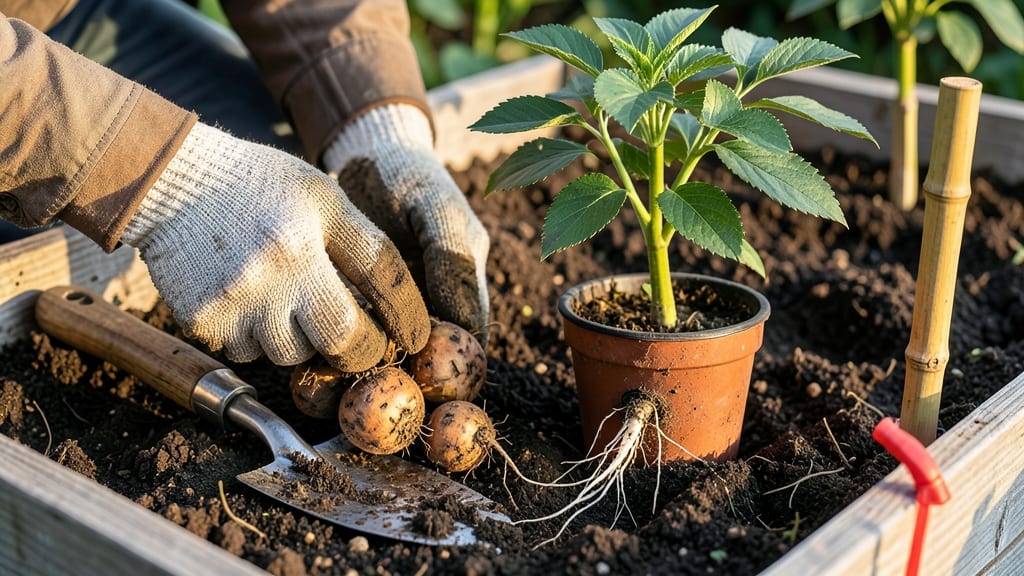
Planting dahlias in Georgia’s Heat Zone 8a isn’t just about sticking tubers in the dirt—it’s about catching that sweet 3-week window between last frost and scorching summer heat when your 🌼 blooms will thrive.
Too early, and a late frost will turn your investment into mulch; too late, and your dahlias will bolt before they even show their colors. Let’s break down the exact timing, soil prep, and pro tips to ensure your dahlias go from tubers to showstopping blooms by July.
Most Georgia gardeners swear by mid-April to early May as the prime planting window, but here’s the catch: your local microclimate matters.
If you’re in northern Georgia (closer to Zone 7b), wait until after April 15 to play it safe, while those in southern Georgia (Zone 8b) can start as early as late March if your soil stays above 60°F. The key?
Test your soil temperature—dahlias won’t wake up until it hits that mark.
You’ve got two options for planting: tubers or starter plants, and each has its own timeline. Tubers need 4-6 weeks of chitting (sprouting indoors) before they hit the ground, while starter plants can go in as soon as soil is workable.
But here’s where most gardeners trip up—skipping the acclimation process when moving tubers from indoors to Georgia’s unpredictable spring weather. We’ll cover how to harden them off without shocking their roots.
Once you’ve nailed the timing, the real magic happens in the post-planting care. From mulching to staking and adjusting watering as Georgia’s heat ramps up, these steps will keep your dahlias blooming until first frost in November.
Ready to turn your garden into a dahlia paradise? Let’s get those tubers in the ground the right way.
Optimal planting dates for dahlias in Georgia’s heat Zone 8a
Georgia’s Heat Zone 8a offers a perfect climate for dahlias, but precise planting timing is critical to avoid frost damage or heat stress. The last average frost date in most of Georgia falls between March 15-30, while first frost arrives around November 15.
This gives you a 210-day growing window—ideal for dahlias that thrive with 90-120 days to maturity.
For tuber planting, wait until soil temperatures reach 60°F (15°C)—typically late April to early May in most of Georgia.
This ensures tubers won’t rot in cold, damp soil. Starter plants, however, can be set out 2-3 weeks earlier (mid-April) since they’re already established. Microclimates matter: Coastal areas (like Savannah) may plant 1-2 weeks earlier, while inland regions (like Athens) should wait until mid-May for safety.
| Planting Method | Optimal Window (Zone 8a) | Soil Temp Requirement | Notes for Georgia |
|---|---|---|---|
| Tubers | Late April–Early May | 60°F (15°C) | Wait until night temps stay above 50°F (10°C). Coastal areas can plant 1 week earlier. |
| Starter Plants | Mid-April–Late April | 50°F (10°C) | Hardier than tubers; acclimate to sun gradually to avoid shock. |
| Fall Replanting | Late August–Early September | 60°F (15°C) | For second flush of blooms; stop by October 1 to avoid frost. |
| Zone 7b Adjustment | Wait until May 15 | 60°F (15°C) | Later frost risk; use row covers for extra protection. |
| Zone 9a Adjustment | March 15–April 1 | 55°F (13°C) | Soil warms faster; monitor for bolting in extreme heat. |
If you’re planting dahlia tubers, consider chitting them indoors 4-6 weeks before your target date. Place tubers in a tray with sphagnum moss, keep them in bright light, and ensure temps stay between 65-70°F (18-21°C).
This jumpstarts growth, giving you a 2-3 week head start on the season. For starter plants, harden them off for 5-7 days before transplanting to toughen their stems against Georgia’s humid heat.
For gardeners in Zone 7b (northern Georgia), err on the side of caution and wait until mid-May to plant tubers. The risk of late spring frosts is higher here, and dahlias are frost-sensitive—even a light freeze can kill emerging shoots.
Use frost cloth if planting early, but remove it by daytime to prevent overheating.
In Zone 9a (southern Georgia), you can plant as early as March 15 if your soil warms quickly. However, beware of heat stress: dahlias planted too early in 90°F+ (32°C+) soil may bolt prematurely (send up flower stalks without foliage).
To mitigate this, mulch heavily with straw and water deeply 2-3 times weekly during heatwaves.
For a second flush of blooms, replant tubers in late August. Choose heat-tolerant varieties like ‘Café au Lait’ or ‘Thomas Edison’ for fall color. Stop planting by September 1 to ensure dahlias mature before first frost.
In Zone 9a, you might squeeze in a third planting in early October for late-season blooms.
Pro tip: Use a soil thermometer to confirm temps before planting—60°F (15°C) is your magic number for tuber success. In Georgia’s clay-heavy soils, amend with compost or sand to improve drainage. Dahlias hate waterlogged roots, which can lead to rot and lost blooms.
Remember, microclimates play a huge role. A north-facing bed stays cooler and may need 1-2 weeks later than a south-facing one. Shade from trees? Plant 10-14 days later to avoid heat stress.
By following these Georgia-specific guidelines, your dahlias will reward you with bold, long-lasting blooms from summer through fall. 🌼
Pre-planting preparation: soil, tubers, and Georgia-specific tips
Before you even think about planting those dahlia tubers, your Georgia garden soil needs a serious upgrade. Dahlias crave rich, well-draining soil with a pH between 6.0 and 7.0—any lower, and they’ll struggle to absorb nutrients.
Start by testing your soil’s pH with a simple test kit, available at any garden center. If it’s too acidic, mix in lime; if it’s alkaline, add sulfur or peat moss to balance it.
Next, focus on organic amendments to boost fertility. Work in 3-4 inches of compost or well-rotted manure, and mix in a handful of bone meal (for phosphorus) to encourage strong root development. Georgia’s clay-heavy soils often compact easily, so add perlite or coarse sand to improve drainage.
This prep work ensures your dahlias get the nutrient-rich foundation they need to thrive in our humid climate.
Now, let’s talk dahlia tubers. If you’ve stored them over winter, inspect them carefully for shriveled or moldy spots—discard any that look questionable. Before planting, give your tubers a head start by chitting them indoors.
Place tubers eyes-up in a tray of moist peat moss or vermiculite, and set them in a bright, warm spot (around 65°F). In about 4-6 weeks, you’ll see sprouts emerging, ready to transplant outdoors.
⚠️ callout warning ⚠️
⚠️ Georgia-Specific Warning: Watch for These Pests!
Georgia’s humid summers create the perfect conditions for slugs and earwigs, which devour young dahlia shoots. Set up beer traps (bury a shallow dish of beer near plants) or use copper barriers around your garden beds. Neem oil is another effective organic deterrent—spray it on foliage every 7-10 days during peak pest season (June-August).
Pro Tip: Plant marigolds nearby—their strong scent naturally repels pests while adding a pop of color!
When it’s time to plant, wait until the soil temperature consistently stays above 60°F—usually mid-April in most of Georgia. Plant tubers 4-6 inches deep, spacing them 12-18 inches apart (depending on variety). Larger tubers or tall varieties need more space to avoid crowding.
After planting, water deeply to settle the soil and encourage root growth. Mulch around the base with straw or shredded leaves to retain moisture and suppress weeds.
One more Georgia-specific tip: Shade cloth can be a lifesaver during our intense summer heat. If you’re planting in June or July (for a fall bloom), provide 30% shade cloth during the hottest afternoons to prevent heat stress.
This simple step can extend your dahlias’ blooming season by 4-6 weeks, giving you stunning flowers well into October.
Finally, don’t forget to rotate your planting locations each year. Dahlias are heavy feeders, and planting them in the same spot annually can exhaust the soil or invite disease.
By following these prep steps—soil testing, tuber chitting, pest control, and proper spacing—you’ll set your dahlias up for a show-stopping season in your Georgia garden. 🌼