
Plants
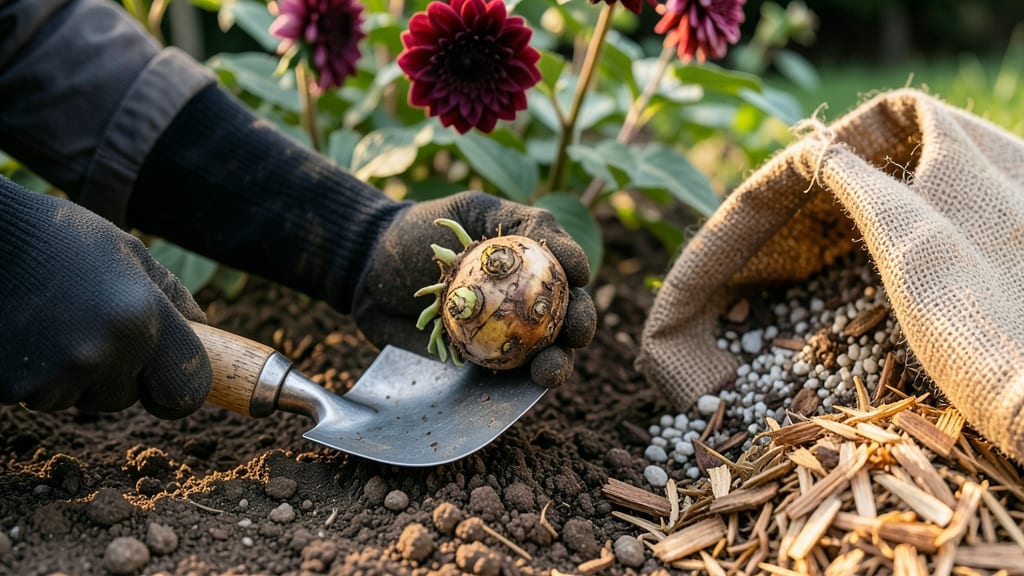
Planting dahlias in Indiana at the wrong time can mean lost blooms and wasted effort—so getting the timing right is everything for those stunning 🌸 displays.
Unlike some plants that tolerate late starts, dahlias demand warm soil and frost-free conditions to thrive, making Indiana’s April 15 to May 15 window your golden opportunity.
Most Indiana gardeners know the last frost usually arrives around mid-April, but rushing to plant tubers too soon can spell disaster when unpredictable cold snaps strike. The key isn’t just avoiding frost—it’s waiting for soil temperatures to hit 60°F, which signals tubers will root without hesitation.
If you’re planting from tubers (the most common method), you’ll want to prep them indoors 4-6 weeks before your target date, then harden them off gradually. For those who prefer seeds, start them indoors even earlier—around late March—to give them a head start before transplanting after the last frost.
Once you’ve nailed the timing, mulching and frost protection can be your secret weapons against Indiana’s unpredictable spring weather. With the right approach, you’ll be rewarded with months of bold blooms that turn heads from July through October.
Indiana’s ideal dahlias planting timeline: soil temperature & frost-free deadlines
Indiana’s climate creates a delicate balance for dahlia lovers—too early and a late frost can devastate your tubers, while waiting too long risks missing the peak bloom season. The key lies in understanding soil temperature thresholds and regional frost patterns that vary from north to south.
Let’s break down the science behind Indiana’s planting windows so you can time your dahlias for maximum impact.
Dahlias thrive when soil temperatures consistently reach 55-60°F—this warmth signals the tubers to sprout and grow roots before sending up foliage. In Indiana’s USDA Zones 5-6, this typically occurs 4-6 weeks after the last spring frost, but exact timing depends on your microclimate.
Northern Indiana (Zones 5a-5b) often waits until mid-May, while southern Indiana (Zone 6a) can start as early as late April.
Here’s the critical data you need to plan your dahlia planting schedule with confidence:
| Region | Last Frost Date | Optimal Planting Window | Soil Temp Threshold | Action |
|---|---|---|---|---|
| Northern Indiana (Zones 5a-5b) | April 25–May 10 | May 1–May 15 | 60°F+ | Wait for consistent warmth; use row covers if early planting |
| Central Indiana (Zone 6a) | April 15–April 30 | April 25–May 10 | 55–60°F | Plant after April 15; monitor nighttime temps |
| Southern Indiana (Zone 6a) | April 1–April 15 | April 15–April 30 | 55°F+ | Earliest risk-free window; prioritize tender varieties |
| Pro Tip: Use a soil thermometer to confirm readiness—55°F at 4" depth is your green light! | ||||
Southern Indiana gardeners can push the envelope slightly, planting as early as mid-April if you’re willing to use frost cloth for protection. However, I’ve learned the hard way that rushing can backfire—last year, a late April frost in my southern Indiana garden turned my early dahlias into sad, mushy souvenirs.
Patience pays off with healthier roots and longer bloom seasons.
For northern Indiana, the May 1–15 window is non-negotiable unless you’re using a cold frame or greenhouse to jumpstart growth. Even then, I recommend waiting until soil warms to 60°F—cold soil stunts root development, leading to weaker stems and fewer blooms.
Pro tip: Pre-warm your soil by covering it with black plastic for 2–3 weeks before planting.
Don’t forget that Indiana’s microclimates can create local variations of 1–2 weeks. Urban areas often warm up faster than rural spots due to the heat island effect, while low-lying gardens may stay colder longer.
Check your local CoCoRaHS weather station data or ask neighbors with established gardens—they’ll know if your yard runs warmer or cooler than the average.
Once you’ve nailed the timing, the next critical step is hardening off your tubers. Store them in a cool, dark place (like a garage) until two weeks before planting, then move them to a bright, slightly cooler spot (like a basement window) to simulate outdoor conditions.
This 2-week transition prevents shock when they hit Indiana’s variable spring temps.
Remember: Dahlias planted at the right time in Indiana will reward you with continuous blooms from July through October. But if you miss the window, don’t despair—you can still plant start tubers indoors in late March and transplant after the last frost.
Just be prepared for a 2–3 week delay in flowering compared to direct-sown plants.
🌱
How to prepare dahlias for Indiana’s unpredictable spring weather
Indiana’s clay-heavy soil and late spring frosts can derail even the most eager dahlia grower. To ensure your dramatic blooms thrive, start by hardening off tubers and amending soil to improve drainage. These steps create the ideal conditions for root establishment before summer heat arrives.
Begin your prep 6-8 weeks before your target planting date—typically mid-April for southern Indiana or early May in the north. This gives tubers time to adapt to temperature shifts and develop strong roots before facing Indiana’s unpredictable weather patterns.
Let’s break down the essential steps to set your dahlias up for success.
Move tubers to a cool, bright location (50-55°F) for 1-2 weeks before planting. Gradually increase exposure to outdoor temperatures over 7-10 days to prevent shock.
Test soil pH (6.0-7.0 ideal) and mix in 2-3 inches of compost or aged manure. For heavy clay, add sand or perlite to improve drainage and prevent root rot.
Place tubers 4-6 inches deep, with the eyes facing upward. Space larger varieties 18-24 inches apart to allow airflow and reduce disease risk.
Use row covers or cold frames if planting early. Monitor local frost forecasts and have emergency blankets ready for unexpected cold snaps.
Apply 2-3 inches of mulch (straw or shredded leaves) to retain moisture and regulate soil temperature. This is critical in Indiana’s hot summers and humid springs.
Indiana’s variable spring weather demands proactive measures. After planting, keep an eye on soil moisture—dahlias need consistent watering but hate soggy roots. A drip irrigation system works best to deliver water directly to the base without wetting foliage, reducing fungal risks like powdery mildew.
Once your dahlias are established, focus on staking taller varieties early to prevent wind damage from Indiana’s spring storms. Use bamboo stakes or cages and tie stems gently with soft plant ties to avoid cutting into the stems as they grow.
This simple step ensures your show-stopping blooms stay upright and frost-free.
With these preparations, your dahlias will thrive through Indiana’s unpredictable spring, delivering bold blooms from summer to fall. The key is patience and preparation—don’t rush planting, and always be ready to adapt to Mother Nature’s whims.
Your garden will thank you with months of vibrant color! 🌸