
Plants
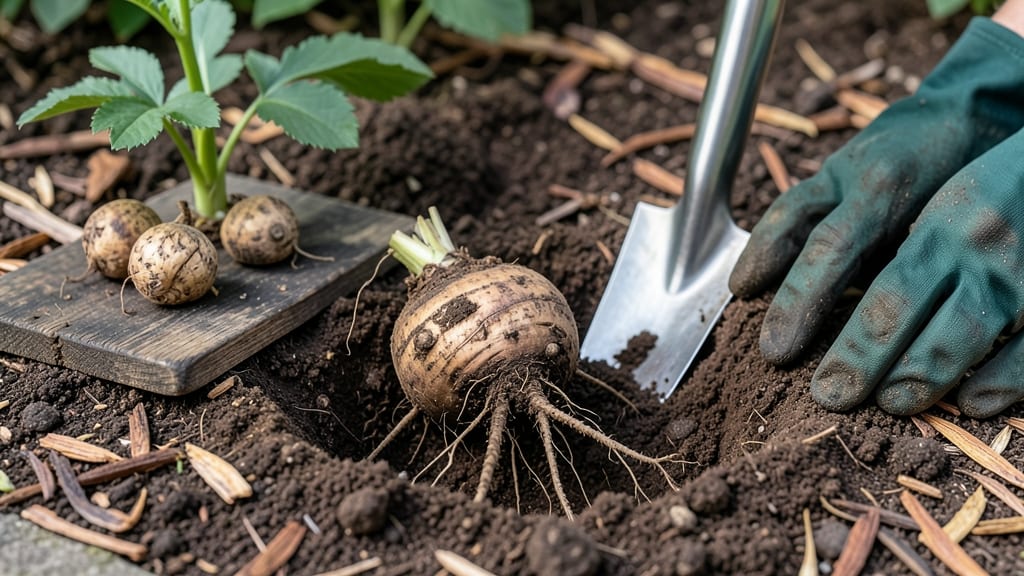
Planting dahlias in Oklahoma at the wrong time can mean the difference between a garden showstopper 🌼 and a sad, wilted disappointment. The key to vibrant blooms from July to October isn't just luck—it's timing your tubers perfectly after the last frost, usually between mid-April and early May.
But here's the catch: Oklahoma's unpredictable weather means your exact planting window depends on your microclimate. Urban areas might be ready weeks before rural spots, and a late frost can throw everything off.
I'll show you how to read your soil's signals and adjust your schedule for bold, long-lasting flowers that thrive in your specific zone.
Whether you're starting tubers indoors in February or waiting for that perfect 60°F soil temperature, I've got the insider tips to help you avoid common mistakes. From soil prep to post-planting care, we'll cover everything you need to know to make this your best dahlia season yet.
Ready to transform your garden? Let's dive into the exact steps that'll have your dahlias blooming like never before—without the guesswork. Your future show-stopping flowers are just a few weeks away!
Oklahoma’s dahlias planting zones: when to start indoors vs. outdoors
Oklahoma’s USDA Zones 6b-8a create unique challenges for dahlia growers—late frosts in northern zones and scorching summers in the south demand precise timing.
Whether you’re a beginner gardener or a seasoned pro, knowing the exact dates to start dahlias indoors or transplant outdoors will determine whether your blooms thrive or wither. Let’s break down the perfect planting windows for each Oklahoma zone, including microclimate adjustments for urban heat islands and rural chill.
Dahlias are tender perennials that need warmth to grow, making them sensitive to Oklahoma’s unpredictable spring weather. Starting tubers indoors 8-10 weeks before your last frost date gives them a head start, while direct-sowing outdoors requires soil temperatures above 60°F.
Rural areas often experience cooler nights than urban zones, where pavement and buildings trap heat—adjust your timing accordingly. Below, we’ll cover zone-specific dates, indoor vs. outdoor methods, and how to protect your dahlias from Oklahoma’s late spring frosts.
🌱 PRO TIP: Use a soil thermometer to confirm ground temperatures before transplanting—dahlias won’t thrive in cold soil, even if air temps are warm.
For Zone 6b gardeners in northern Oklahoma (e.g., Oklahoma City or Tulsa), starting dahlias indoors by February 15 ensures they’re ready for transplant by May 1, after the last frost. Rural areas in this zone may need to wait until May 15 due to cooler soil temperatures.
In Zone 7a (common in Norman or Edmond), you can push indoor starts to late February and transplant as early as mid-April, especially in urban microclimates where heat retention speeds up growth.
Southern Oklahoma’s Zones 7b and 8a (e.g., Oklahoma City’s southern suburbs or Lawton) offer earlier windows. Zone 7b gardeners can start tubers by March 1 and transplant by April 1, while Zone 8a (like Altus) may even allow direct-sowing outdoors by March 15 if using row covers to protect against late frosts.
Always monitor weather forecasts—Oklahoma’s April frosts can still occur, even in warmer zones.
If you’re starting dahlias indoors, use well-draining pots and a grow light to prevent leggy seedlings. Place pots in a warm location (70–75°F) and keep soil consistently moist but not soggy.
When transplanting outdoors, harden off seedlings for 7–10 days by gradually exposing them to outdoor conditions. 🌿 TRICK: Bury the neck of the tuber just below soil level to encourage stronger stems.
Urban gardeners should also account for
Signs your Oklahoma soil is ready for dahlias (and how to fix delays)
Your dahlias won’t thrive in cold, soggy, or rocky soil—Oklahoma’s unpredictable spring makes timing critical. Look for these three key signs before planting: soil temperature above 60°F, moist but well-draining texture, and no lingering frost risk. Miss these cues, and your tubers may rot or fail to sprout.
First, check soil temperature with a thermometer—dahlias need warmth to wake from dormancy. In Oklahoma’s USDA Zones 6b-7a, this usually happens by mid-April, but urban areas (like Oklahoma City) may lag behind rural spots by 1-2 weeks.
Test depth at 4-6 inches, where tubers will reside.
Next, assess moisture by squeezing a handful of soil. It should hold shape but not feel sticky. Heavy clay soils (common in eastern OK) drain poorly—amend with compost or sand to prevent root rot.
If your soil feels compacted, aerate with a garden fork before planting to encourage tuber growth.
⚠️ callout-warning⚠️ Late Frost? Don’t Plant Yet!
Oklahoma’s last frost date averages March 15, but late frosts (below 28°F) can strike until April 15. If frost is forecasted, delay planting or use frost cloth to protect young shoots. For tubers already in the ground, mound extra mulch (4-6 inches) to insulate roots.
🔍 Pro Tip: Plant dwarf varieties (1-2 ft tall) first—they’re less vulnerable to cold snaps than towering standard dahlias (4-6 ft).
Pest activity is another red flag. If you spot slugs, cutworms, or aphids before planting, your soil may still be too cool for beneficial insects to thrive. Wait until these pests decline naturally (usually by late April) or preemptively apply neem oil or diatomaceous earth to deter them.
To fix delays, try these three quick solutions:
- Start tubers indoors in biodegradable pots 6-8 weeks before your last frost (by February 1).
- Use black plastic mulch to warm soil 5-10°F faster than bare earth.
- Choose early-blooming varieties like ‘Café au Lait’ or ‘Karma Choc’, which mature in 80-90 days—ideal for Oklahoma’s short growing season.
Once your soil passes these tests, plant dahlia tubers 4-6 inches deep, spacing them 12-15 inches apart. Water deeply to settle soil, then mulch with straw or shredded leaves to retain moisture and suppress weeds.
With the right timing, your dahlias will reward you with months of bold blooms—from July through October.