
Companion Plants
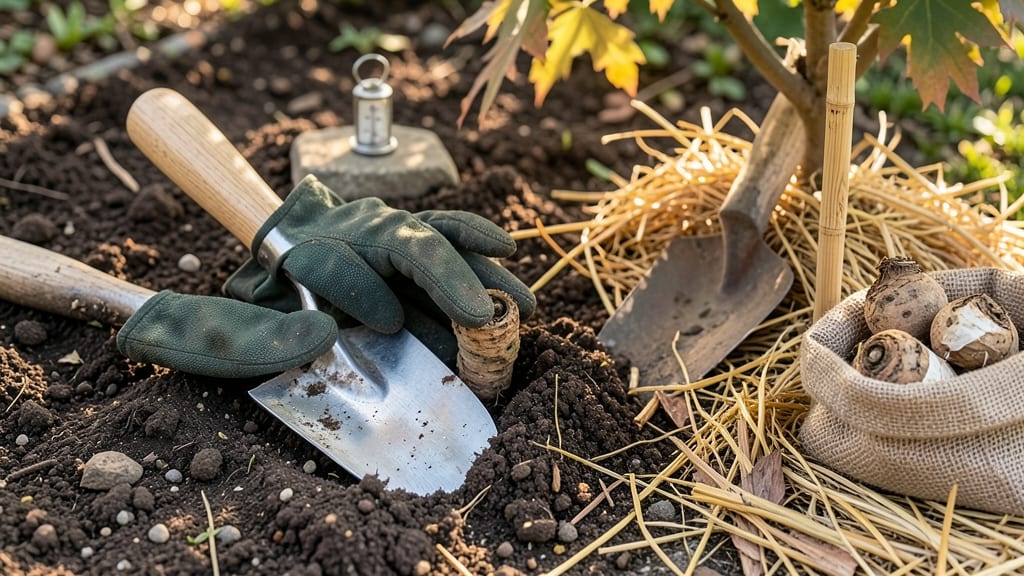
Planting dahlias in Pennsylvania at the wrong time means either shivering tubers or a missed bloom season—neither of which you want. The perfect window depends on soil temperature, not just calendar dates, and getting it right can mean the difference between lush 🌼 blooms and sad, stunted plants.
Most gardeners assume "after last frost" is the golden rule, but Pennsylvania’s 5b-7a zones throw a wrench into that plan. Soil needs to stay consistently above 50°F for at least two weeks before you even think about sticking those tubers in the ground.
That’s why timing varies from early May in warmer zones like Philadelphia to late May in cooler areas like Erie.
I’ve learned the hard way that rushing dahlias into cold soil leads to rot, while waiting too long cuts your bloom time short. The solution? A soil thermometer and a few smart tricks to stretch your season—whether you’re in a rural garden or a city balcony.
Let’s break down exactly when to plant for zero-frost survival and how to prep your tubers for success.
You’ll walk away knowing the exact dates for your region, how deep to plant, and the 3 critical care steps that keep dahlias thriving all summer long. No more guesswork—just confident, beautiful blooms from the moment they pop up.
Pennsylvania’s ideal dahlias planting window by soil temperature
Timing your dahlia planting in Pennsylvania isn’t just about avoiding last frost dates—it’s about soil temperature. Dahlias need consistent warmth to thrive, and planting too soon in cold soil stunts root growth.
The magic number? 50°F soil temperature for at least 2 weeks before planting. This ensures your tubers wake up and grow strong without frost risk.
Pennsylvania’s USDA Zones 5b-7a create regional differences. In Erie (Zone 6a), you can plant 2 weeks earlier than in Pittsburgh (Zone 6b), while Philadelphia (Zone 7a) offers the longest growing season.
Understanding these microclimates helps you pick the right dahlia varieties—early bloomers for cooler areas, late-season types for warmer zones.
Here’s the golden rule: Wait until soil temps hit 50°F+ and stay there. Use a soil thermometer to check—don’t guess! In most of PA, this lands in mid-May, but Erie’s late April can work for hardy varieties. Philadelphia gardeners often push planting to early May for safety.
🌱
| Region | USDA Zone | Last Frost Date | Ideal Planting Window | Soil Temp Threshold |
|---|---|---|---|---|
| Erie | 6a | April 20-May 5 | Late April - Early May | 50°F+ for 2+ weeks |
| Pittsburgh | 6b | May 1-15 | Mid-May | 50°F+ for 2+ weeks |
| Philadelphia | 7a | April 15-May 1 | Early-Mid May | 50°F+ for 2+ weeks |
| Statewide | 5b-7a | Varies | After last frost + 2 weeks 50°F soil | 50°F+ (critical) |
🌡️ Pro Tip: Use a soil thermometer for accuracy—don’t rely on air temps!
For early varieties like 'Café au Lait' or 'Karma Choc', you can stretch planting to early April in Zone 7a (like Philadelphia) if you protect them with frost cloth.
But standard dahlias need that 50°F soil—no exceptions! Cold soil slows root growth, leading to stunted plants or even death.
If you’re in Zone 5b (like parts of northeastern PA), opt for late-season varieties like 'Gallery Pink' or 'Thomas Edison'. These bloom later but handle cooler soils better. Early bloomers like 'Bishop' or 'Mignon' are better suited for Zones 6-7 where the growing season is longer.
Don’t forget to chill your tubers before planting! Store them in pearlite or a cool basement (40-50°F) for 4-6 weeks before planting. This mimics winter dormancy and jumpstarts growth. Skipping this step means weak stems and fewer blooms—trust me, your dahlias will thank you!
Once soil hits 50°F+, plant tubers 4-6 inches deep, spacing them 12-18 inches apart depending on variety. Mulch heavily with straw or shredded leaves to lock in heat and moisture. This is especially critical in Pittsburgh’s cooler microclimates where nighttime temps can drop quickly.
🌿
After planting, water deeply to settle soil and encourage root growth. Avoid overhead watering—dahlias hate wet foliage, which invites powdery mildew. Instead, use a drip irrigation system or water at the base of the plant in the morning.
In Erie’s windy conditions, stake tall varieties like 'Arabian Night' early to prevent flopping.
Finally, keep an eye on local frost forecasts. Even if soil is warm, a late frost can sneak in. If temps dip below 32°F, cover plants with frost cloth or move container-grown dahlias to a sheltered spot.
With the right timing and care, your dahlias will bloom from July to first frost—worth the wait!
How to extend your dahlias season in Pennsylvania’s unpredictable climate
Pennsylvania’s unpredictable frost dates can turn your dahlia dreams into a gamble, but I’ve mastered a few tricks to stretch that bloom season by 2-3 weeks—without risking tuber damage.
The key is layered protection: combining frost cloth, strategic mulching, and container gardening hacks that work even in Zone 5b-7a. These methods let you plant earlier or keep blooms going later, no matter whether you’re in Pittsburgh’s chill or Philadelphia’s warmer pockets.
First, let’s talk frost cloth timing. Most gardeners wait until after the last frost, but with dahlias, you can push that window earlier by using lightweight frost cloth (rated for 28°F protection).
Lay it over newly planted tubers when nighttime temps dip below 40°F, and remove it during the day. This lets you plant 2-3 weeks before the official “safe” date without risking frost damage to tender shoots.
- 1. Plant tubers in containers (10-12" deep) to move them indoors or under cover if frost threatens. Use well-draining mix with perlite to prevent rot.
- 2. Mulch heavily with 4-6 inches of straw or shredded leaves after planting. This keeps soil temps 5°F warmer than bare ground.
- 3. Use black plastic mulch in early spring to warm soil faster. Remove it once tubers sprout to avoid overheating.
- 4. Harvest late blooms by cutting stems at the base and storing them in cool water (50°F) for up to 2 weeks indoors.
- 5. Chill tubers before planting (place in fridge for 4-6 weeks) to simulate winter dormancy—this jumpstarts growth in cooler PA springs.
For container gardening, choose dwarf varieties like ‘Café au Lait’ or ‘Little Princess’ (1-2 ft tall) to maximize space. Plant tubers in 5-gallon pots with fast-draining soil, and place them on casters so you can roll them to shelter if frost is forecasted.
I’ve kept dahlias blooming until mid-October this way—even in Erie’s Zone 6a—by moving containers to a garage or porch at night.
Don’t overlook mulching techniques—this is where I’ve seen the biggest difference. After planting, apply a 4-inch layer of straw mulch around (not touching) the stems. As the season progresses, add compost or leaf mold to retain moisture and regulate temperature.
In late summer, top with 2 inches of shredded leaves to insulate tubers as fall approaches. This extends root health and keeps plants flowering longer.
To delay harvests, focus on watering and feeding right up until the first frost. Dahlias need consistent moisture (1 inch per week) and balanced fertilizer (5-10-10) every 4-6 weeks until early September.
Cut back on watering in October to harden off tubers, but keep them slightly moist to prevent desiccation. I’ve had dahlias re-bloom in containers after a light frost if I bring them indoors immediately and give them bright light.
Remember: Pennsylvania’s microclimates mean your neighbor’s “perfect” timing might not work for you. Always check soil temp with a thermometer—aim for 50°F+ for 2+ weeks before planting.
With these strategies, you’ll maximize your bloom season and enjoy dahlias from early July to late October, no matter where you garden in PA. 🌼