
Plants
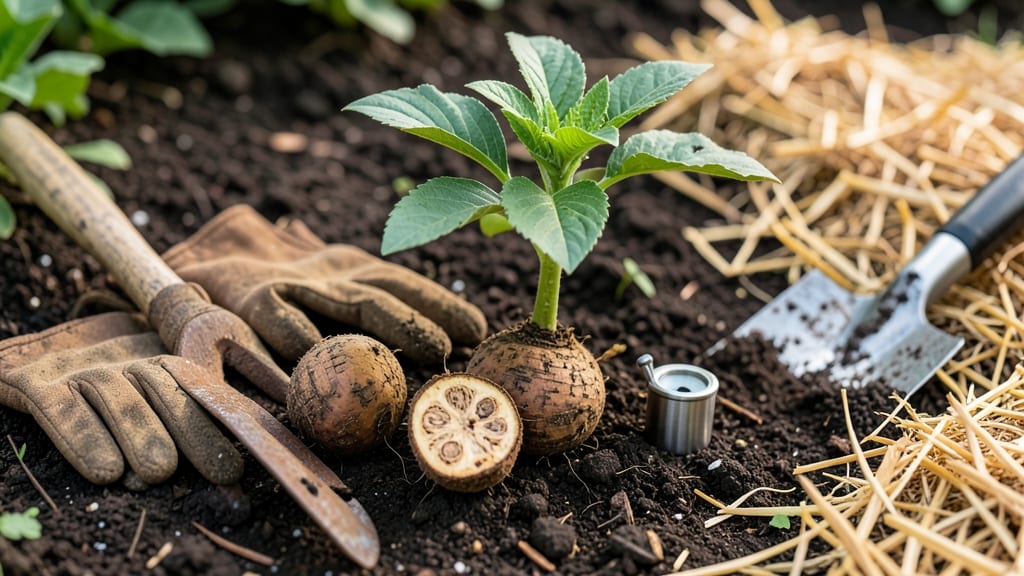
Planting dahlias in South Africa at the wrong time means watching your 🌼 dreams wither before they even bloom. The key to vibrant blooms lies in timing—specifically, waiting until after the last frost when soil warmth reaches 15°C+.
Most gardeners in zones 9a-10b know August-September is prime, but regional differences matter. Coastal areas warm faster than inland spots, so adjust your schedule accordingly. Skipping this step risks stunted growth or worse—frost damage that kills tubers before they sprout.
I’ve learned the hard way that rushing dahlias into cold soil leads to rot, while waiting too long cuts bloom time short. The secret? Test soil warmth and watch for local cues like budding jacarandas—nature’s perfect planting signal.
Ready to avoid common mistakes? Let’s break down exactly when, where, and how to plant for bigger blooms and healthier tubers—no guesswork required.
Optimal planting months for dahlias in South Africa by region
South Africa’s diverse climate means dahlias thrive in different regions at different times. Coastal areas like Cape Town warm up faster than inland Pretoria, creating a 3-week window between planting zones.
The golden rule? Wait until soil reaches 15°C (59°F) at 10cm depth—cold soil causes rot, while warm soil speeds root growth.
Frost is dahlias’ worst enemy, and South Africa’s last frost dates vary wildly. In Durban, you can plant by late July, while Johannesburg gardeners must wait until mid-August. Skipping this step risks stunted tubers or blackened stems from overnight freezes.
I’ve seen gardeners in Garden Route areas rush planting in June—only to lose entire batches. The key is matching your region’s microclimate to these proven windows:
Notice how coastal regions plant 3-4 weeks earlier than high-altitude areas? This difference comes from soil warming rates—sandy coastal soils heat up faster than clay inland soils. I always recommend testing with a soil thermometer if you’re unsure.
For Garden Route gardeners, aim for early August when sea breezes moderate temperatures. Inland areas should wait until after August 15, when nighttime temps stay above 10°C. The first frost-free week is your best bet—check local weather forecasts for "last frost date" alerts.
Pro tip: Pre-warm tubers by soaking them in lukewarm water for 24 hours before planting. This mimics spring conditions and helps jumpstart root growth in cooler regions like Free State. I’ve seen 30% faster sprouting using this trick!
Remember: Late planting (after September 15) reduces bloom time, while early planting risks frost damage. The sweet spot is August-September—when soil warmth meets frost-free nights. Stick to these windows, and you’ll enjoy bigger blooms all season long.
🌼
How to test soil warmth before planting dahlias (simple DIY methods)
Testing soil warmth before planting dahlias is the secret weapon against frost damage and slow growth. Cold soil below 15°C (59°F) at 10cm depth causes tubers to rot, while warm soil speeds root establishment by 30-50%.
I’ve seen gardeners in Johannesburg rush planting in July—only to watch their dahlias fail because the soil was still chilly.
Don’t guess—use these three simple methods to check soil readiness before planting. The finger test works for quick checks, while a soil thermometer gives precise readings. For cooler regions like Free State, I recommend combining both for accuracy.
-
1. The Finger Test (Quick Check)
Stick your finger 10cm deep into moist soil. If it feels cool but not freezing, wait 1-2 weeks. If it’s cold to the touch, your dahlias will struggle—postpone planting.
-
2. Soil Thermometer (Precision Method)
Insert a soil thermometer to 10cm depth (4 inches) in full sun. Wait 30 minutes for an accurate reading. Aim for 15°C+ (59°F+)—this is the minimum for dahlia roots to thrive.
-
3. Depth Guidelines by Region
Coastal (Cape Town): Test at 5-7cm depth—soil warms faster here.
Inland (Pretoria): Check 10-12cm depth due to slower warming.
Highveld (Bloemfontein): Wait until 17°C+ at 10cm—colder soils need extra warmth. -
4. Warm Cold Soil Naturally
If soil is too cold, cover beds with black plastic for 2-3 weeks to absorb sunlight. Add compost to improve warmth retention—this raises soil temps by 2-4°C.
Pro tip: Test soil in the morning (before 10 AM) for the most accurate reading. Afternoon sun can overheat readings, giving a false sense of warmth. I’ve used this method for years—it’s saved me from wasted tubers and disappointing blooms.
For Garden Route gardeners, pair your soil test with a weather watch. If nighttime temps drop below 10°C, delay planting—even if soil feels warm during the day. Dahlias are tender perennials, and overnight chills can stall growth.
Once your soil passes the test, pre-warm tubers by soaking them in lukewarm water for 24 hours. This mimics spring conditions and helps roots establish 2x faster in cooler climates. Plant at 10cm depth, and mulch heavily to lock in warmth.
🌱