
Plants
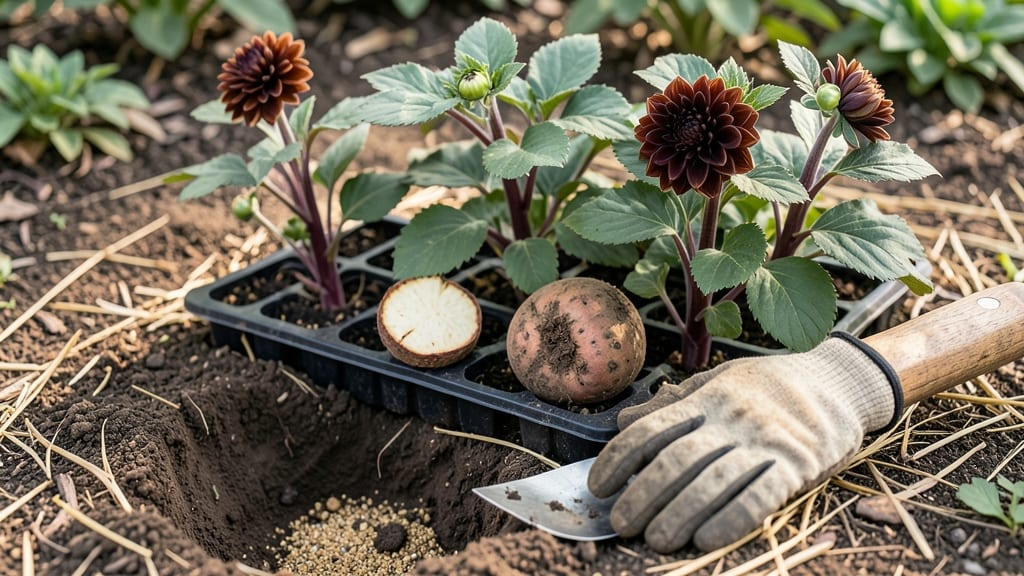
When to plant dahlias in Zone 8b means the difference between a garden bursting with 🌼 blooms and tubers that rot or fail to thrive. Planting too early risks frost damage, while waiting too long stunts those showstopping stems you’re dreaming of.
In Zone 8b, where mild winters meet hot summers, the ideal window is late March to early April—right after the last frost. But here’s the secret: soil temperature matters just as much as calendar dates.
Tubers need warmth to sprout, so we’ll show you how to test for the perfect moment.
This isn’t just about sticking tubers in the ground—it’s about giving your dahlias the strong start they need to handle Zone 8b’s heat and humidity. We’ll cover soil prep, chitting tricks, and even how to spot early warning signs of trouble before they derail your blooms.
Skip the guesswork and learn the exact steps to plant your dahlias for maximum growth and longer-lasting flowers. Let’s get those tubers in the ground the right way.
Zone 8b dahlias planting timeline: exact weeks before last frost for optimal growth
In Zone 8b, where winters are mild but unpredictable, timing your dahlia tubers for planting is a delicate balance. The 4-6 week window before your last frost date isn't just a rule—it's rooted in soil science.
Dahlias need 60°F soil temperatures to trigger root growth, and planting too early risks frost damage to emerging shoots.
Your last frost date in Zone 8b typically falls around March 15, but this can vary by microclimate. Working backward, that means your ideal planting window opens around February 15 to March 1. This timing gives tubers enough time to establish roots before summer heat arrives.
Why this window matters: Dahlias develop 60-70% of their root system in the first 4 weeks after planting. Plant too early, and frost can kill tender new growth. Plant too late, and your dahlias will struggle to establish before summer's heat and drought stress set in.
Here's the science behind the timing: Dahlias are tender perennials with frost-sensitive tubers. When soil temperatures hit 50°F, tubers begin sprouting, but roots won't develop until 60°F. This 10-degree gap is why timing is critical—planting too early means wasted energy on shoots before roots can form.
| Stage | Action | Soil Temp | Zone 8b Timeline |
|---|---|---|---|
| Tuber Chitting | Pre-sprout indoors 4-6 weeks before planting | 60-65°F | Late January - Early February |
| Soil Prep | Amend with compost; ensure drainage | 50°F+ | Early February |
| Planting Window | Plant tubers 4-6" deep | 60°F+ | February 15 - March 1 |
| Root Establishment | 60-70% root growth in first 4 weeks | 65-75°F | March - April |
| First Blooms | Expect flowers by July if timed correctly | 70°F+ | July - October |
Your Zone 8b climate gives you a unique advantage: longer growing seasons and warmer soils that allow earlier planting than northern zones. However, don't be fooled by unpredictable late frosts—even Zone 8b can experience 28°F dips in March.
Always monitor your local frost forecast and use frost cloth if nights dip below 32°F after planting.
Pro tip: Use a soil thermometer to track temperatures. Dahlias won't thrive until soil hits 60°F consistently—this usually happens around mid-March in most of Zone 8b. If your soil is still cold, wait. Rushing planting when soil is below 55°F leads to rotten tubers and stunted growth.
For maximum bloom production, aim to have your dahlias established with strong root systems by late April. This gives them 3-4 months of optimal growing conditions before summer heat arrives. In Zone 8b, where summers can be intensely hot, well-established plants handle heat stress better.
Remember: Dahlias are hungry feeders, and their root development is directly tied to planting timing. Tubers planted in warmer soil (60°F+) will develop 3x faster roots than those in cooler soil (50°F). This is why your 4-6 week window before last frost is non-negotiable for Zone 8b gardeners.
Track your progress by monitoring sprout emergence—you should see 1-inch sprouts within 2-3 weeks of planting if timed correctly. If sprouts appear before roots establish, they'll be weak and prone to frost damage. This is your signal to protect with frost cloth or delay planting.
🌼
How to prepare dahlias for Zone 8b planting: chitting, cutting, and soil prep secrets
Getting your dahlias ready for Zone 8b planting isn’t just about waiting for the right date—it’s about giving them a head start in the unpredictable spring transitions between cold snaps and sudden heat waves.
I’ve learned the hard way that skipping these prep steps can mean stunted growth or even tuber rot before your blooms even appear.
Zone 8b’s mild winters mean we don’t face the extreme cold of northern zones, but our soil temperatures can still play tricks. Tubers need warmth to sprout, and our spring soil often lingers in the 50°F range long after calendar dates suggest planting time.
That’s why I’ve perfected a three-step ritual: chitting tubers indoors, cutting back dormant stems, and amending soil to create the perfect environment for root establishment.
Here’s my exact process for prepping dahlias that guarantees stronger stems, earlier blooms, and plants that can handle Zone 8b’s heat without wilting. Let’s dive into the steps that’ll transform your tubers from dormant clumps to bloom-ready powerhouses.
🌱 Step-by-Step Dahlias Prep for Zone 8b
-
1. Chit Tubers Indoors (6-8 Weeks Before Planting)
Place tubers in a cool, bright spot (60-65°F) with tips facing up. I use egg cartons to elevate them—this encourages early sprouting without rot. Rotate weekly for even light exposure. -
2. Trim Dormant Stems (4 Weeks Before Planting)
Cut back any shriveled stems to 2-3 inches above the tuber. Use sterilized scissors to prevent disease. This redirects energy to root growth when planted. -
3. Test Soil Temperature (2 Weeks Before Planting)
Use a soil thermometer—plant only when soil reaches 60°F+. Zone 8b’s spring soil can be deceptive; I’ve seen 70°F days followed by 40°F nights. -
4. Amend Soil with Compost (2 Weeks Before Planting)
Mix in aged compost (2-3 inches deep) and perlite for drainage. Dahlias hate soggy roots. Aim for pH 6.5-7.0—Zone 8b’s clay soils often need lime adjustments. -
5. Plant at Correct Depth (After Last Frost)
Bury tubers 4-6 inches deep, with eyes facing up. Space 12-15 inches apart—crowding leads to fungal issues in our humid summers.
One mistake I made early on was planting chitted tubers too soon—even with warm soil, the nighttime temperatures in Zone 8b’s spring can still dip below 50°F.
The result? Delayed blooms and leggy stems fighting to reach sunlight. Now, I wait until I’ve confirmed consistent 60°F+ soil temps for at least 5 days straight.
For soil prep, I swear by a mix of composted cow manure and sand—this improves drainage while retaining moisture, which is critical in Zone 8b’s alternating dry spells and sudden downpours.
I also add a slow-release fertilizer (5-10-10) at planting time to give roots an immediate nutrient boost without burning them.
Remember: Patience pays off. Dahlias planted with these prep steps will reward you with sturdy stems that support those showstopping blooms all summer long—even through Zone 8b’s heat waves. The extra effort upfront means fewer headaches later when your neighbors’ dahlias wilt while yours thrive.