
Plants
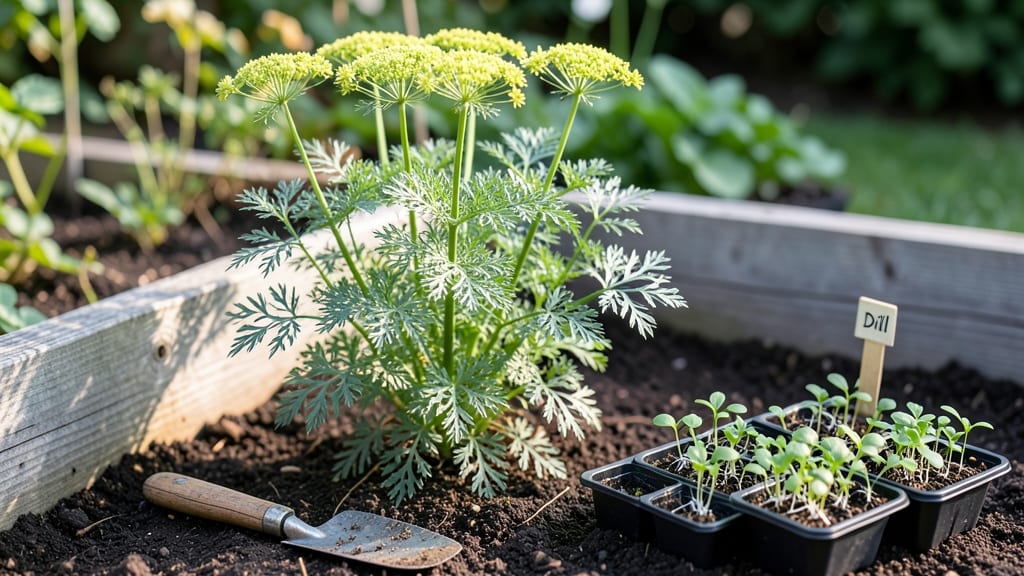
Timing your dill planting just right in Oregon can mean the difference between a bountiful harvest and bitter disappointment—because bolting turns your dream herb garden into a sad, flowering memory.
Whether you're in the Willamette Valley or the high desert, knowing the exact window to plant 🌱 dill prevents that all-too-common rush to harvest before the first frost.
I’ve spent years growing dill in Oregon’s diverse zones, and the key isn’t just waiting for spring—it’s reading your microclimate. Coastal areas can start earlier, while inland spots need to wait for soil to warm.
Miss the mark, and your dill bolts before you even get a chance to snip those feathery leaves for your favorite dishes.
In this guide, I’ll break down the ideal planting dates for your specific corner of Oregon, from seed-starting indoors to direct sowing outdoors.
You’ll learn how to adjust for unpredictable spring weather, choose the right varieties, and keep your dill thriving until fall—so you can enjoy fresh flavors without the frustration.
Ready to grow dill that actually lasts? Let’s dive into the perfect timing and techniques that work for Oregon gardens—no more wasted seeds or early bolting.
Oregon’s microclimate planting Zones for dill: when to start seeds indoors vs. outdoors
Oregon’s diverse climate zones create unique challenges for growing dill (Anethum graveolens). Coastal areas like Astoria (Zone 8) enjoy milder winters, while inland Bend (Zone 6) faces earlier frosts.
The key to success? Timing your seed starts indoors or direct sowing based on your specific zone—and avoiding the dreaded premature bolting that ruins harvests.
Dill thrives in USDA Zones 3-11, but Oregon’s coastal vs. inland split means your last frost dates can vary by 4-6 weeks. For example, Portland (Zone 8) typically sees its last frost around April 15, while Medford (Zone 8b) might wait until May 1.
These differences dictate whether you’ll start seeds indoors 6-8 weeks before or direct sow after soil warms to 50°F (10°C).
Bolting prevention is your top priority. Dill bolts when exposed to cold soil or long daylight hours. In Oregon’s Zone 4 (eastern valleys), this means waiting until late May for direct sowing, while Zone 7-8 (coastal) gardeners can start as early as mid-March under row covers.
| Zone | Last Frost | Indoor Start | Direct Sow | Soil Temp |
|---|---|---|---|---|
| Zone 4 (Baker City) | May 15 | April 1 | May 20 | 50°F+ |
| Zone 5 (Hood River) | April 30 | March 15 | May 1 | 50°F+ |
| Zone 6 (Salem) | April 15 | March 1 | April 15 | 45°F+ |
| Zone 7 (Portland) | March 31 | February 15 | March 15 | 45°F+ |
| Zone 8 (Astoria) | March 15 | January 15 | February 28 | 40°F+ |
| Zone 9 (Medford) | February 15 | December 15 | February 1 | 40°F+ |
🌱 Key: Adjust dates 2 weeks earlier for coastal areas, 2 weeks later for high-elevation sites.
For indoor seed starting, use grow lights to prevent leggy seedlings. Begin 4-6 weeks before your last frost date, using biodegradable pots to avoid root disturbance. Harden off seedlings for 7-10 days before transplanting, especially in Zone 4-5 where nights remain chilly.
Direct sowing works best in Zones 7-9, where soil warms faster. Plant seeds ¼-inch deep, spacing them 12-18 inches apart for full-size plants. Use row covers in Zone 6 and below to protect young seedlings from late frosts and cold soil.
Coastal gardeners in Zones 8-9 can extend harvests by making succession plantings every 2 weeks from February to June. Inland areas should focus on one main planting in May, with a backup late-July sowing for fall harvests before frost.
Monitor soil temperature with a soil thermometer—dill seeds need 50°F (10°C) minimum to germinate. In Zone 4-5, wait until soil reaches 55°F (13°C) to ensure strong growth. Slow germination (14-21 days) is normal in cooler zones.
Pro tip: Mulch heavily after planting to retain soil warmth. In Zone 6-7, use black plastic mulch to raise soil temps by 5-10°F, accelerating growth. This is especially critical for late-March plantings that might otherwise bolt.
How to avoid bolting: pro tips for dill success in Oregon’s unpredictable spring weather
Oregon’s unpredictable spring weather can turn your dill dreams into bolting disasters if you’re not careful. Premature bolting happens when dill senses cooler nights or longer days too soon, shooting up flower stalks instead of lush leaves. The key? Strategic timing and season extension tactics tailored to your microclimate.
For coastal Oregon (USDA Zones 7-9), where springs are damp and chilly, wait until mid-May to early June for direct sowing. Inland areas (Zones 4-6) can start 4-6 weeks earlier, around late April, when soil temps hit 50°F+.
But even then, soil temperature is your best guide—dill won’t thrive below 45°F.
⚠️ CALLOUT-WARNING ⚠️ Don’t plant dill too early in Oregon! Coastal gardeners: Avoid sowing before May 15—even 45°F soil can trigger bolting if nights stay cool. Inland growers: Start no earlier than April 20 unless you’re using row covers to warm soil faster. Pro tip: Test soil temp with a soil thermometer—dill needs consistent warmth to prevent bolting. Late starts? Succession plant every 2 weeks until July 1 for a continuous harvest.
If you’ve already planted and see tall stems with yellow buds, don’t panic. Shade cloth (30-50%) can trick dill into focusing on leaves instead of flowers. Install it by 10 AM and remove by 4 PM to maintain 6+ hours of sunlight.
For severe bolting, harvest leaves aggressively—the plant may redirect energy back to foliage.
For late-season salvage, try succession planting in late July. Choose bolt-resistant varieties like ‘Bouquet’ or ‘Fernleaf’ and use black plastic mulch to absorb heat. Water deeply every 2-3 days to encourage root growth, which helps plants handle fall temperature drops better.
Monitor nighttime temperatures—dill bolts faster when nights dip below 55°F.
In Zone 8+, extend your season with a low tunnel or cold frame to keep soil temps stable. Mulch heavily with straw to insulate roots, and avoid nitrogen-heavy fertilizers in late summer, which can promote rapid growth and bolting.
With these Oregon-specific tricks, you’ll enjoy fresh dill leaves from June through September, even in the most unpredictable springs. The secret? Patience + adaptability—just like Oregon’s weather! 🌱