
Plants
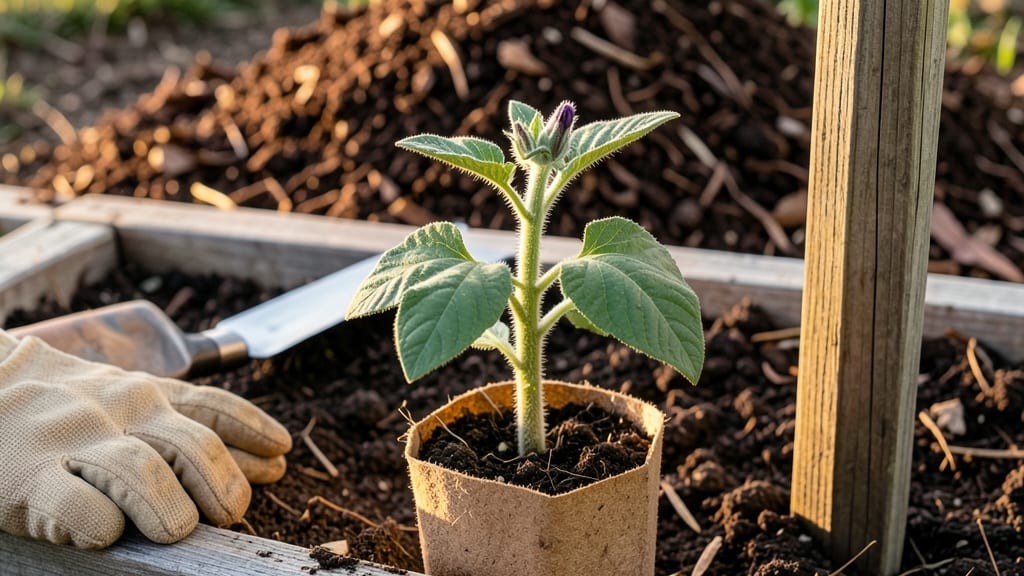
Planting eggplant in California isn't one-size-fits-all—get the timing wrong, and your 🍆 plants might bolt, rot, or never thrive. The key is knowing your region's last frost dates and soil temperature rules, which can vary wildly from coastal fog zones to desert valleys.
Whether you're in the Bay Area or San Diego, eggplants need warm soil (70°F+) and frost-free conditions to take root. Transplant too early, and you risk shock; wait too long, and summer heat stress sets in.
I'll break down the exact windows for your area so you can start planting with confidence.
From extending the growing season with row covers to choosing the right varieties for your microclimate, this guide covers everything you need. You'll learn how to avoid common mistakes that derail California eggplant gardens—and how to maximize your harvest from June through October.
Ready to grow plump, productive eggplants? Let's dive into the region-specific strategies that work for California gardeners, whether you're planting in-ground or containers.
California eggplant planting dates by region: frost-free deadlines & soil temperature rules
Eggplants thrive in California’s warm climate, but timing is everything. The minimum soil temperature for planting is 70°F+, and frost-free conditions are non-negotiable. In Northern California, coastal fog can delay planting by weeks compared to inland areas.
Meanwhile, Southern California’s desert zones may have earlier planting windows—but heat stress becomes a risk if you wait too long.
For Northern California (Bay Area, Sacramento), aim to transplant eggplant seedlings after your last frost date, typically around April 15–May 1. The San Joaquin Valley can start slightly earlier, around March 15, thanks to warmer inland microclimates.
In Central California (Los Angeles, San Joaquin), the window expands from March 1–April 30, while Southern California (San Diego, Imperial Valley) can begin as early as February 15 in desert areas.
Here’s your region-by-region breakdown, including soil temperature rules and frost-free deadlines to maximize your harvest:
| Region | Last Frost Date | Optimal Planting Window | Minimum Soil Temp | Notes |
|---|---|---|---|---|
| Northern CA (Bay Area, Sacramento) | April 15–May 1 | April 15–June 15 | 70°F+ (use row covers early) | Coastal fog delays warming; choose cold-hardy varieties like 'Ichiban'. |
| Central CA (Los Angeles, San Joaquin) | March 1–March 15 | March 1–May 30 | 70°F+ (soil warms faster inland) | Inland valleys (e.g., Bakersfield) can plant 2–3 weeks earlier. |
| Southern CA (San Diego, Imperial) | January 15–February 15 | February 15–July 30 | 70°F+ (desert zones hit 80°F+ by March) | Imperial Valley can plant year-round with shade cloth. |
🌱 Pro Tip: Test soil temp with a soil thermometer—eggplants won’t thrive below 70°F.
In Northern California, where coastal fog lingers, I recommend starting seeds indoors in February and transplanting after the last frost. Use black plastic mulch to warm the soil faster—this can shave off 1–2 weeks of waiting.
For Sacramento’s inland heat, you can push planting to June 15 for a fall harvest, but prioritize shade cloth during summer’s peak (90°F+).
Central California’s Los Angeles Basin offers the longest growing season, with two planting windows: spring (March–April) and late summer (July–August). The San Joaquin Valley, however, faces heat stress after June, so I suggest focusing on early-maturing varieties like 'Black Beauty' (60–70 days to harvest).
In Southern California, desert gardeners can plant year-round, but I avoid summer transplants due to bolting risk—opt for fall planting instead.
One common mistake? Assuming all of California is the same. Elevation matters: Mountainous areas (e.g., Fresno foothills) may have later frost dates than coastal plains. Always check your USDA Zone (9a–10b) and local microclimate.
For example, San Diego’s coastal areas (Zone 10a) can plant in February, while inland Escondido (Zone 9b) waits until March 15.
To extend your season, use row covers or cold frames in cooler regions. In Northern California, I’ve had success with 'Rosa Bianca', a white eggplant that tolerates 55°F nights.
For Southern California’s heat, 'Ichiban' (Japanese eggplant) handles 100°F+ better than traditional varieties. Always harden off seedlings for 7–10 days before transplanting to avoid shock.
Remember: Eggplants are heat-loving annuals with a short growing season (60–90 days). Plant too late, and you’ll miss your harvest before first frost (as early as November in Northern CA).
Use this guide to align your planting with your region’s frost-free deadlines and soil temperature rules—your garden (and your dinner plate) will thank you.
Need more precision? Grab a soil thermometer and monitor temps daily. The ideal window is when soil hits 75°F+ consistently—this ensures robust root growth and fruit set. Happy planting! 🌿
How to extend eggplant’s short growing season in California’s cool climates
Coastal California and high-elevation areas like the Sierra foothills present unique challenges for eggplant growers. The short frost-free window and cool ocean breezes can stunt growth or delay maturity. But with the right strategies, you can push your harvest 2-4 weeks later than traditional planting would allow.
The key is combining cold-hardy varieties with protective techniques to shield tender plants from chilly nights.
I’ve grown eggplants in San Francisco’s foggy microclimates and Sacramento’s cooler valleys, and these methods have consistently extended my harvest season. Whether you’re dealing with 30°F nighttime dips or slow soil warming, the solutions are simple but effective.
Let’s explore how to turn California’s cool climates into prime eggplant-growing territory.
- 1 Choose cold-tolerant varieties like ‘Ichiban’ or ‘Black Beauty’—they mature 10-15 days faster in cool weather than standard types.
- 2 Use row covers (floating or hoop) to raise soil temps by 5-8°F and protect against 32°F+ frosts. Remove during daylight hours for pollination.
- 3 Transplant after soil hits 65°F (not the traditional 70°F) in cool zones. Use black plastic mulch to warm soil faster—it can add 3-5°F to root zones.
- 4 Plant in containers with heat-absorbing fabric (like black burlap) wrapped around sides. Containers warm up 20% faster than in-ground beds.
- 5 Succession plant every 2 weeks from late April to mid-June. Staggered plantings ensure continuous harvests even if early sets struggle with cool temps.
Timing your transplants is critical in cool climates. Aim to plant 4-6 weeks after your region’s last frost—this gives soil time to warm while avoiding the June heat stress that can stunt growth.
For example, in San Francisco (USDA Zone 9b), I transplant ‘Ichiban’ eggplants in early May when soil temps consistently hit 65°F. In Sacramento’s cooler valleys (Zone 9a), I wait until mid-May to align with soil warming trends.
Another game-changer is black plastic mulch. Lay it down 2-3 weeks before transplanting to raise soil temps by 3-5°F. I’ve seen it cut the time needed to reach 70°F soil temps by nearly half.
Pair this with drip irrigation to maintain moisture without wetting foliage—critical for preventing fungal diseases in damp coastal areas.
For high-elevation gardeners, container growing is often the best solution. Five-gallon pots with heat-absorbing fabric wrapped around the sides can create a microclimate 5-10°F warmer than ambient air temps. Place containers on south-facing patios or near sunny walls to maximize warmth.
I’ve grown ‘Rosa Bianca’ eggplants successfully in Eureka’s foggy climate (Zone 9a) using this method, harvesting 20% more fruit than in-ground plants.
Finally, don’t overlook companion planting. Pair eggplants with basil or marigolds to repel pests like flea beetles, which thrive in California’s cool coastal zones. These companions also improve air circulation, reducing humidity around foliage and lowering disease risk.
With these strategies, you can extend your eggplant season by 6-8 weeks—even in California’s trickiest climates.