
Plants
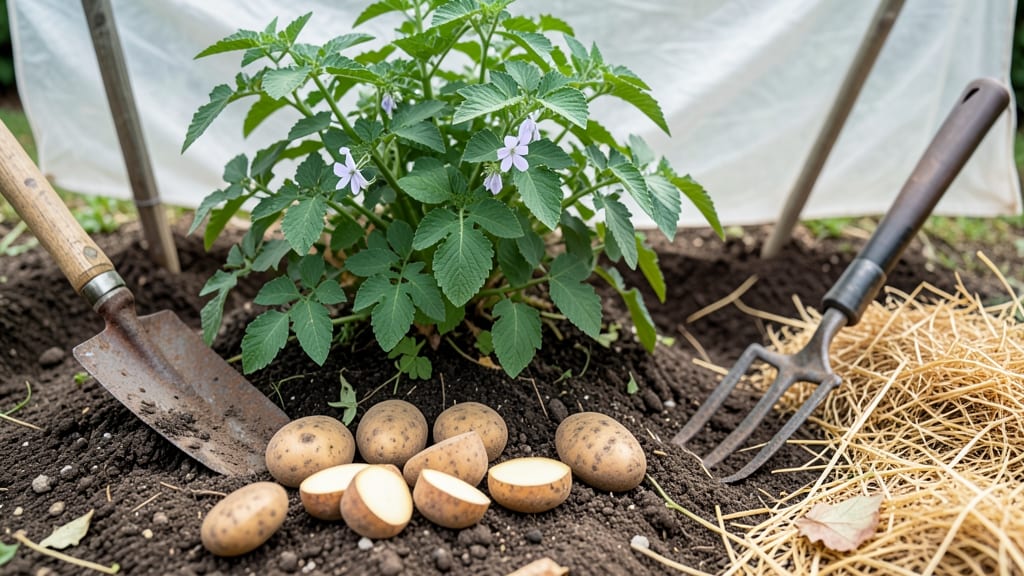
Planting fall potatoes in Arkansas isn’t just about throwing seeds in the dirt—it’s about nailing the exact timing to beat frost and harvest before winter sets in.
With Arkansas’ USDA zones 7a-8b and unpredictable fall weather, getting the soil temperature right (between 50-65°F) makes all the difference between a bountiful harvest and wasted effort.
If you’ve ever dug up half-formed potatoes because you planted too late—or missed the window entirely—you know how frustrating it can be. The key is starting 4-6 weeks before your first frost, typically between late August and early September.
But here’s the catch: Arkansas’ northern and southern regions have slightly different frost dates, so one-size-fits-all advice won’t cut it.
I’ll break down the ideal planting window for your specific corner of Arkansas, plus how to adjust if Mother Nature throws a curveball. Whether you’re growing Yukon Golds or Russets, these soil-temperature rules will help you avoid frost damage and maximize your yield—no guesswork required.
Ready to turn your garden into a potato powerhouse? Let’s get into the exact dates, variety tips, and pro tricks to make your fall harvest the best yet.
Arkansas fall potato planting calendar: soil temperature rules for zero-frost success
Timing your fall potato planting in Arkansas hinges on two critical factors: soil temperature thresholds and first frost dates. Potatoes thrive when soil reaches 50-65°F, and planting too early or late risks frost damage or stunted growth.
Northern Arkansas (USDA zones 7a-7b) has a shorter growing window than southern regions (8a-8b), so your exact planting date depends on your location within the state.
For a successful fall harvest, aim to plant 4-6 weeks before your average first frost date. In Arkansas, this typically means starting in late August to early September, but microclimates can shift this window by 1-2 weeks.
For example, Mountain Home (zone 7a) may need earlier plantings, while Little Rock (zone 7b) has more flexibility.
Soil temperature is your best indicator—not just calendar dates. Use a soil thermometer to confirm your garden bed has warmed to at least 55°F before planting.
Cool, damp soil below 50°F slows germination and invites rot. In Arkansas’s humid climate, this is especially critical for preventing late blight and other fungal diseases.
Here’s how to align your planting with Arkansas’s regional frost patterns and soil conditions for a zero-frost harvest:
If you’re planting in September, opt for early-maturing varieties like 'Yukon Gold' or 'Red Norland', which can reach harvest in 70-90 days. These varieties tolerate cooler soil better than late-season types like 'Russet', which need warmer conditions to bulk up.
For southern Arkansas, you can even squeeze in a second planting in early September for a Christmas harvest.
Pro tip: Mulch heavily with straw or leaves after planting to insulate soil and maintain consistent temperatures. This is especially useful in northern Arkansas, where soil cools faster. Aim for a 3-4 inch mulch layer to protect tubers from temperature swings and early frost.
Monitor your plants closely in October. If frost threatens before harvest, cover rows with frost blankets or row covers to extend the season by 1-2 weeks. Even a light frost (28-32°F) can damage foliage but won’t harm tubers if they’re mature.
Dig up new potatoes early for a taste test—if they’re 2-3 inches wide, your main crop is likely ready soon.
For storage potatoes, harvest before the ground freezes and cure tubers in a cool, dark, humid space (50-60°F, 85-90% humidity) for 1-2 weeks. This toughens their skin, preventing rot during winter storage. In Arkansas’s mild winters, properly cured potatoes can last until March or April.
Remember: Soil temperature > calendar dates. If
5 Critical factors that determine your Arkansas fall potato planting window
Timing your fall potato planting in Arkansas isn't just about avoiding frost—it's about matching your variety to your microclimate and soil conditions. Northern Arkansas (Zones 7a-7b) has a shorter growing season than southern Arkansas (Zones 8a-8b), which means your planting window could shift by 3-4 weeks.
Even a 5°F soil temperature difference can mean the difference between a bumper crop and a failed harvest.
Start by checking your last frost date, which typically falls between October 20-30 in most of Arkansas. For fall potatoes, you'll want to plant 4-6 weeks before that date—so aim for mid-to-late August in northern regions and early-to-mid September in the south.
But this is just the starting point; your soil prep and water management will seal the deal.
Let's break down these five critical factors so you can pinpoint the perfect planting window for your Arkansas location. First, last frost dates vary dramatically across the state.
In northern Arkansas, where first frosts hit as early as October 20, you'll need to plant early-maturing varieties like 'Yukon Gold' (70 days) or 'Red Norland' (80 days) by mid-August.
In contrast, southern Arkansas gardeners can wait until early September and still harvest before the November 5-15 frost window.
Next, soil temperature is non-negotiable. Potatoes won't sprout until soil reaches 50°F, but they grow best between 55-65°F. Use a soil thermometer to check depths of 4-6 inches—this is where your seed potatoes will settle.
If your soil runs cooler, consider black plastic mulch to warm it up 5-10°F faster. Pro tip: Morning soil temps are the most reliable indicator for planting day.
Don't overlook moisture management, especially in Arkansas' unpredictable fall weather. Potatoes need 1-1.5 inches of water per week, but consistency is key. Let the soil dry slightly between waterings to prevent rot, but never let it bone-dry.
In drought-prone areas, use drip irrigation to deliver water directly to the roots. For heavy clay soils, amend with compost or sand to improve drainage before planting.
Finally, soil preparation sets the stage for success. Arkansas' clay-heavy soils in the north and sandy loams in the south both benefit from 2-3 weeks of prep before planting.
Work in 3-4 inches of compost or well-rotted manure to boost organic matter, and avoid fresh manure, which can burn tender potato sprouts. For container growing, use a lightweight potting mix with perlite to prevent compaction.