
Plants
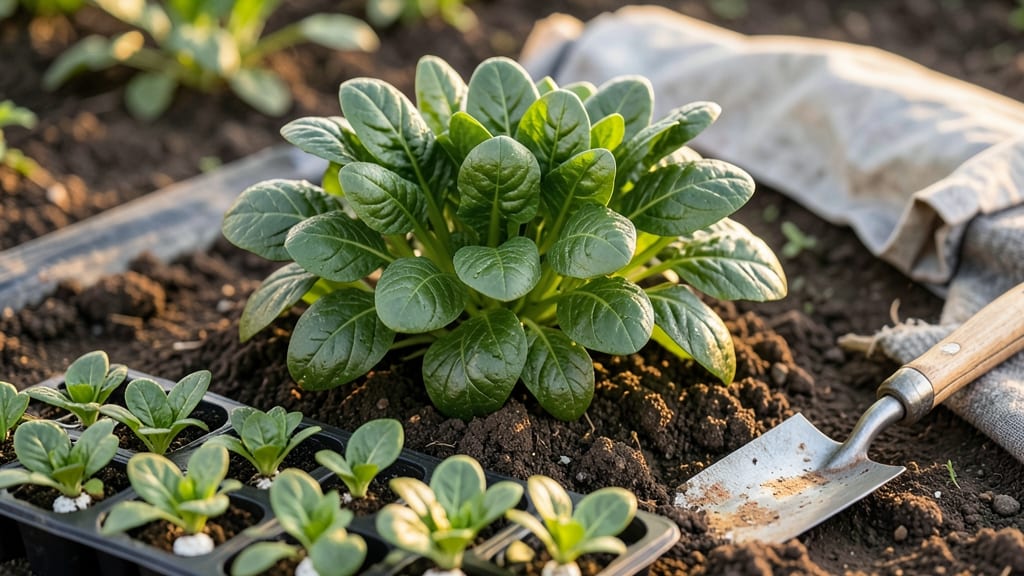
Planting fall spinach in Zone 6 at the right time means the difference between a bountiful harvest of tender 🥬 and a sad, bolted mess by December. The key window opens in late summer—around mid-August—when soil temperatures drop below 80°F, giving your spinach the cool conditions it craves.
Most gardeners in 6a-6b zones wait until 4-6 weeks before the first frost (usually mid-October) to sow seeds directly, but timing isn’t one-size-fits-all. Plant too early, and the heat will send your spinach shooting up flowers; too late, and winter’s chill will stunt growth before you even harvest.
I’ve learned the hard way that succession planting in early September and again in late August gives the best results—spreading out your harvest from October through December. With the right variety and a little protection from light frosts, you’ll enjoy fresh greens long after your summer crops have faded.
Stick with me, and I’ll walk you through exactly how to calculate your local planting dates, choose the best spinach varieties for Zone 6, and keep your greens thriving even as temperatures dip. Let’s make sure your fall spinach doesn’t become a winter memory.
Best fall planting dates for spinach in Zone 6 (with frost tolerance guide)
Fall spinach in Zone 6 thrives when planted at the perfect moment—too early, and heat triggers bolting (flowering); too late, and frost stunts growth. The ideal window spans from mid-August to early September, giving plants 45-60 days to mature before winter.
This timing ensures tender leaves instead of bitter, tough greens.
Your local first frost date (typically mid-October in Zone 6) is the anchor for planning. Count back 4-6 weeks to determine your last planting date. For example, if frost hits October 15th, aim for September 1st as your cutoff.
Early August plantings risk heat stress, while late September sowings may not mature before cold.
Soil temperature is just as critical as air temperature. Spinach performs best when soil stays below 80°F—a sure sign it’s time to plant. Use a soil thermometer to confirm.
In Zone 6, soil temps drop to this range by late August, making it the safest time to start seeds directly or transplant seedlings.
Microclimates can shift your planting window by 1-2 weeks. South-facing beds warm faster, while north-facing spots stay cooler. If your garden sits in a low-lying area, frost may arrive earlier—adjust by planting 10-14 days sooner.
Conversely, raised beds or urban heat islands can delay frost by a week or more.
Here’s your Zone 6 fall spinach planting timeline, tailored to variety types and frost tolerance:
| Planting Window | Variety Type | Frost Tolerance | Harvest Window | Notes |
|---|---|---|---|---|
| Early Fall (Aug 15–31) | Flat-leaf (e.g., 'Bloomsdale') | 25°F (light frost) | Oct 15–Nov 15 | Risk of bolting; use shade cloth if hot |
| Mid-Fall (Sep 1–15) | Savoy (e.g., 'Tyee') | 20°F (heavy frost) | Nov 1–Dec 15 | Best balance of heat tolerance and cold hardiness |
| Late Fall (Sep 16–30) | Baby Leaf (e.g., 'Space') | 15°F (severe frost) | Dec 1–Jan 15 (with protection) | Fastest-growing; ideal for winter harvests |
| Succession Planting | All types | Varies by variety | Oct–Dec (staggered) | Sow every 2 weeks for continuous harvests |
For direct sowing, scatter seeds ½ inch deep and 1 inch apart in rows 12 inches apart. Thin seedlings to 4 inches apart once they’re 2 inches tall—this prevents competition and bolting.
If starting with transplants, harden them off for 5-7 days before setting them out in early September.
Spinach varieties differ in their cold tolerance. Savoy types like 'Tyee' handle 20°F without issues, while flat-leaf varieties (e.g., 'Bloomsdale') may struggle below 25°F. Baby leaf mixes like 'Space' are the most frost-hardy, often surviving 15°F with protection.
Choose based on your expected lows—check your local Almanac for extremes.
Protect young plants from early frosts with row covers or lightweight mulch. Even a 28°F night can damage tender leaves. If frost is forecast, cover plants at dusk and remove by 10 AM to prevent overheating.
For extended winter harvests, use a cold frame or mini greenhouse to shield plants from below 20°F.
Remember: Soil prep is half the battle. Amend beds with compost before planting to ensure fertile, well-draining soil. Spinach thrives in slightly acidic to neutral soil (pH 6.5–7.0). Test your soil in early August—if it’s too alkaline, add sulfur or peat moss to adjust.
With these dates and tips, your Zone 6 spinach will deliver sweet, tender greens from October through December—no wasted effort or bolted disappointment. Happy planting! 🥬✂️
How to extend your spinach harvest through winter in Zone 6
Once your spinach is planted in late summer, the real challenge begins: keeping it productive through Zone 6’s unpredictable fall weather. Light frosts can turn tender leaves to mush, while sudden warm spells trigger bolting—the dreaded flower stalk that ruins your harvest.
The good news? With the right strategies, you can enjoy fresh spinach well into December, even when temperatures dip below freezing.
My secret weapon? A layered approach combining physical protection, smart variety selection, and succession planting. These methods work together to shield your greens from frost while giving them the stable growing conditions they need. Let’s break down exactly how to make this happen in your garden.
✅ 5 Key Steps to Extend Your Spinach Harvest
- 🌡️ Mulch heavily with straw or leaves (3-4 inches deep) to insulate soil and protect roots from temperature swings.
- 🛡️ Use floating row covers for 20-25°F nights—they trap heat while allowing sunlight and water through.
- 🌿 Plant slow-bolting varieties like 'Tyee' or 'Bloomsdale Long Standing'—they tolerate 32-28°F without flowering.
- ☀️ Install shade cloth (30-50%) in late summer to prevent heat stress before fall planting.
- 📅 Sow succession crops every 2 weeks from late August through September to stagger harvests.
Let’s start with the most critical tool in your winter spinach arsenal: mulching. A thick layer of organic mulch—like straw, shredded leaves, or even grass clippings—acts as a thermal blanket for your soil.
When nighttime temperatures drop to 28°F or lower, mulch prevents the ground from freezing solid, which can kill spinach roots. I’ve found that 4 inches of mulch adds about 4-6°F of protection—enough to keep your spinach alive through light frosts.
For heavier frosts (below 25°F), mulching alone won’t cut it. That’s where row covers come in. These lightweight fabrics (made of spun polyethylene or breathable fabric) create a microclimate that can raise temperatures by 5-8°F.
The key is to use floating row covers—they don’t touch the plants, allowing them to grow unimpeded while still trapping warmth. Just remember to secure the edges with bricks or soil so wind doesn’t rip them away.
Even with protection, some spinach varieties will bolt if they sense long daylight hours or warm soil. To avoid this, choose cold-hardy, slow-bolting varieties like 'Tyee' or 'Space'—they’re bred to handle Zone 6’s 100-150 day growing season without rushing to flower.
Pair this with shade cloth during hot spells (like September heat waves), and you’ll delay bolting until after your first frost.
Finally, don’t underestimate the power of succession planting. By sowing new seeds every 2 weeks from late August through September, you’ll have a steady supply of baby spinach ready to harvest as older plants mature.
This method ensures you’re always eating fresh greens, even when winter’s chill sets in. Plus, it gives you flexibility—if a late frost hits, you’ll have younger, more resilient plants to protect.