
Plants
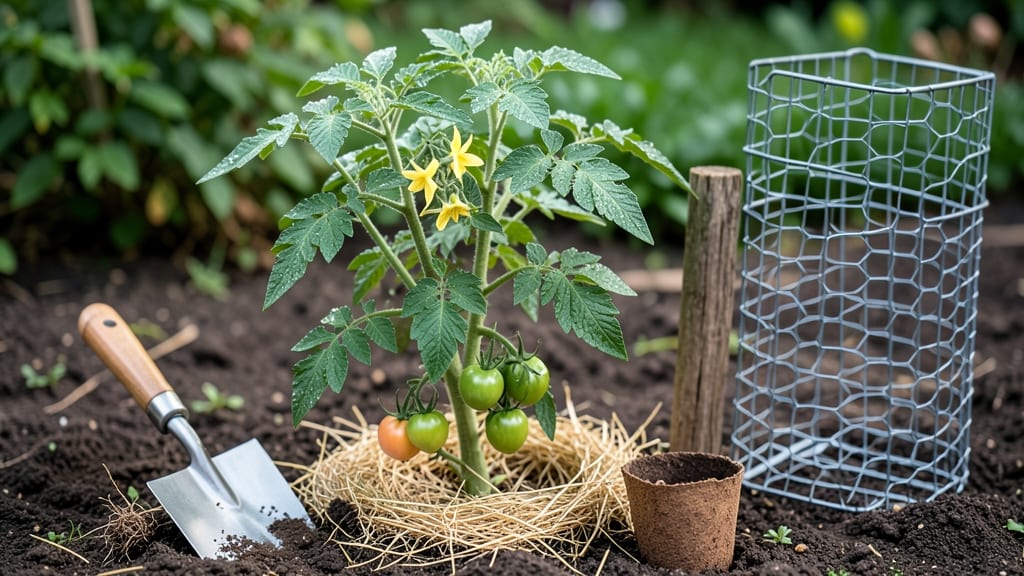
Planting fall 🍅 tomatoes in Louisiana isn’t just about avoiding frost—it’s about outsmarting the heat while giving your vines enough time to reward you with sweet, vine-ripened fruit before winter sets in.
The perfect window isn’t one-size-fits-all, but missing it by even a few weeks can mean the difference between a bumper crop and sad, sunburned leaves.
Here’s the game-changer: August through early September is your sweet spot for transplanting, but the real magic happens in soil temperature and variety selection.
Louisiana’s humid subtropical climate throws curveballs—like sudden heatwaves or early cold snaps—so knowing when to start seeds indoors (late July) and when to harden off seedlings (mid-August) is critical.
I’ve grown fall tomatoes in 8a-9b zones for years, and the biggest mistake gardeners make? Waiting too long for “cooler” weather. The truth? Tomatoes thrive in 70-85°F soil, and September’s mild days are ideal—just avoid planting after mid-October, or frost will sneak in before harvest.
In this guide, I’ll break down the exact dates for your parish, the best heat-tolerant varieties for Louisiana, and how to stretch your harvest until December. Let’s get those seeds in the ground—and those tomatoes on your plate!
Louisiana heat Zone planting calendar: exact dates for fall tomatoes
Louisiana’s humid subtropical climate creates a unique challenge for fall tomatoes—balancing late-summer heat with early-winter frost. Unlike spring plantings, fall tomatoes thrive when soil temperatures drop below 90°F, making August-September the sweet spot.
But your exact USDA heat zone (8a-9b) and parish microclimate can shift those dates by weeks. Let’s break down the science so you can plant with confidence.
First, know your last frost date—typically December 1 for most of Louisiana, but parishes like Caddo (8a) may see frost earlier than Jefferson (9a). Count backward 60-85 days (depending on variety) to determine your transplant window.
For example, a 70-day variety in Zone 9a should hit the soil by mid-August to harvest before frost. Miss this window, and you’ll be left with green fruit or blossom-end rot.
Here’s the heat-zone breakdown for fall tomato success, including determinate vs. indeterminate timing differences and parish-specific adjustments:
| Zone | Last Frost | Transplant Window | Harvest Timeline | Determinate Notes | Indeterminate Notes |
|---|---|---|---|---|---|
| 8a (NW LA) | Nov 20–Dec 5 | Aug 10–25 | Oct 15–Nov 20 | 60-day varieties only | Avoid—needs longer season |
| 8b (Central LA) | Dec 1–10 | Aug 15–Sep 1 | Oct 5–Dec 1 | 70-day varieties ideal | Start by Aug 20 for frost-free harvests |
| 9a (SE LA) | Dec 10–20 | Aug 20–Sep 15 | Oct 15–Dec 15 | 75–80-day varieties | Best choice for extended harvests |
| 9b (Southeast LA) | Dec 20–Jan 5 | Aug 25–Sep 20 | Nov 1–Dec 31 | 80–85-day varieties | Can harvest until New Year |
*Adjust 1–2 weeks earlier for urban heat islands (e.g., Baton Rouge) or later for cooler parishes (e.g., Natchitoches).
For determinate varieties (like ‘Celebrity’ or ‘Roma’), stick to the earlier transplant dates—they produce all their fruit at once, so timing is critical. Indeterminate varieties (e.g., ‘Sungold’ or ‘Better Boy’) offer a longer harvest window but need warmer soil to establish roots before cooler temps arrive.
In Zone 9b, you can even squeeze in a second planting of 60-day determinates in early September for a Christmas harvest.
Microclimates matter: If you’re in a low-lying area (like Grand Isle), frost may hit 2 weeks earlier than inland parishes. Conversely, urban areas (e.g., New Orleans) can stay 5–10°F warmer at night, extending your season.
Use a soil thermometer—aim for 60–70°F at transplanting—to avoid cool-soil shock, which stunts growth. Black plastic mulch can add 5–10°F to soil temps, giving you a 2-week head start in cooler zones.
Pro tip: Succession plant every 2 weeks in August for a staggered harvest. Start with heat-tolerant varieties (like ‘Heatmaster’) in early August, then switch to cold-hardier picks (e.g., ‘Mountain Merit’) by mid-September.
This strategy ensures you’re eating tomatoes from your garden until December, even if frost arrives early. Just watch for early blight—a common fall issue—by spacing plants 18–24 inches apart for airflow.
Don’t let Louisiana’s humidity fool you: Morning watering (before 10 AM) and pruning lower leaves prevent fungal diseases that thrive in damp conditions. And if a hurricane warning pops up in September, cover plants with row fabric to protect them from wind damage.
With these adjustments, your fall tomatoes will outlast the heat—and the frost.
🌱
5 Critical factors that determine your fall tomato success (and how to fix mistakes)
Fall tomatoes in Louisiana thrive when you nail five non-negotiable factors: soil temperature, heatwave resilience, hurricane prep, soil compaction, and frost timing. Skip any, and your Solanum lycopersicum will either bolt from heat stress or rot from soggy soil.
I’ve learned the hard way—my first fall crop in Lafayette failed when Hurricane Barry delayed planting by two weeks.
Start with soil temperature. Tomatoes refuse to germinate below 60°F, and growth stalls under 50°F. Use a soil thermometer—my Zone 8b soil hits 78°F by late July, but surface temps can spike to 95°F by midday.
The fix? Plant in black plastic mulch to raise soil temps by 5-10°F and reduce evaporation.
⚠️ NON-NEGOTIABLE: Louisiana’s humid subtropical climate creates unique pitfalls. Here’s your red flag checklist for fall tomatoes:
- 🌡️ Soil Too Hot: Surface temps >90°F = seed failure. Fix: Use shade cloth until temps drop below 85°F.
- 🌪️ Hurricane Delays: Rain >1 inch/day = compacted soil. Fix: Plant in raised beds or containers.
- 🍃 Overwatering: Louisiana’s humidity + poor drainage = fungal diseases. Fix: Water at soil level, not leaves.
- ❄️ Frost Ignored: 32°F kills vines. Fix: Use row covers when temps dip below 40°F.
Pro Tip: My Zone 9a friends swear by straw mulch to insulate roots during October cold snaps.
Next, heatwave survival requires variety selection. Indeterminate types like ‘Celebrity’ handle heat better than heirlooms, but even they struggle when temps exceed 95°F for >3 days. My solution? Shade cloth (30%) during peak afternoon sun and drip irrigation to keep roots cool. Never water overhead—soggy leaves = blight.
Louisiana’s soil compaction is a silent killer. Heavy clay soils in New Orleans or Baton Rouge can suffocate roots. Test compaction by pressing your thumb into soil—if it springs back slowly, amend with compost or sand.
I mix in 2 inches of coconut coir before planting to improve drainage. For containers, use 50% potting mix + 50% perlite.
Finally, frost timing is a moving target. While average first frost hits December 1, microclimates vary. Coastal areas like Lafayette may see frost by November 15, while inland Shreveport holds off until December 10.
Plant 60-day varieties by August 15 for a October harvest, or go with 85-day types for December fruit.
Master these five factors, and you’ll outsmart Louisiana’s climate. My 2022 ‘Solar Fire’ plants produced 12 lbs of tomatoes in Zone 8b—despite Hurricane Ida’s October delays. Now it’s your turn to grow tomatoes until the holidays! 🍅