
Plants
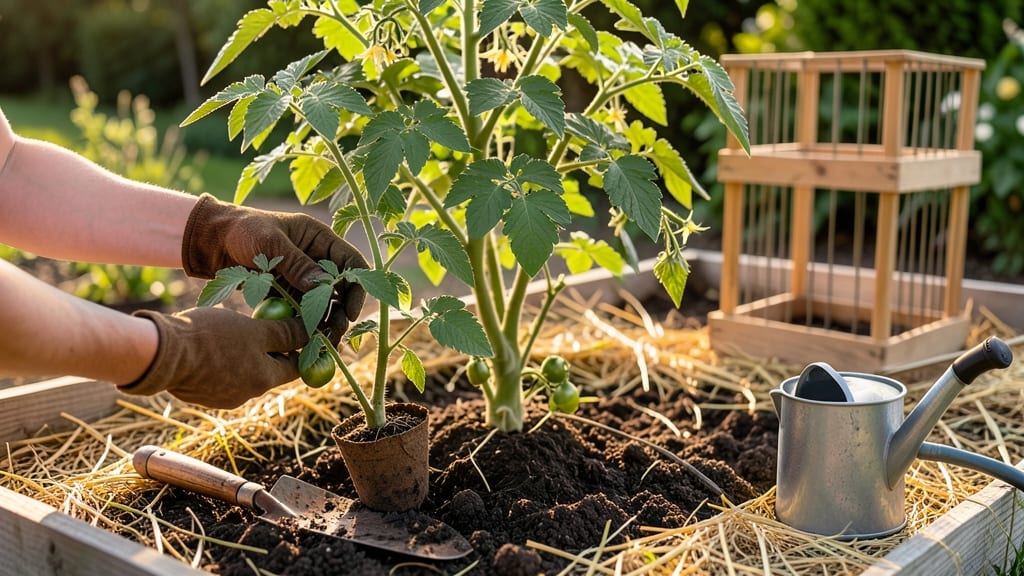
Planting fall tomatoes in North Texas isn't just about throwing seeds in the dirt—it's about beating the clock before frost steals your harvest.
With the right timing, you can enjoy juicy 🍅 tomatoes straight from your garden well into October, but get it wrong, and you'll be left with wilted plants or empty vines.
Most gardeners here plant tomatoes between late July and early September, but the key is working backward from your first frost date—typically around November 15 in zone 8a. If you start too early, your plants will struggle in the heat; too late, and they won’t mature before the cold sets in.
The sweet spot? Planting seedlings by mid-August for a harvest just before frost.
This guide breaks down the exact weeks you need to prepare seeds, transplant, and protect your plants from North Texas’ unpredictable weather. Whether you’re a seasoned gardener or a first-timer, these tips will help you avoid common mistakes and maximize your fall tomato yield.
Ready to grow tomatoes that taste better than anything from the store? Let’s get started with the foolproof schedule that works for North Texas gardens—no guesswork required.
North Texas fall tomato planting timeline: exact weeks before first frost
Timing your fall tomato planting in North Texas means balancing heat tolerance with frost risk. The average first frost date in zones 7b-8a lands around November 15, but microclimates in Dallas, Fort Worth, and Waco can shift this by 1-2 weeks.
To maximize your harvest, start seeds and transplant strategically—here’s the exact schedule I follow every year.
For fall tomatoes in North Texas, your goal is to have mature plants in the ground 60-70 days before the first 28°F frost. This means transplanting between late July and early September, depending on your location.
Urban areas like Dallas often have earlier frost risks than rural spots near Waco, so adjust accordingly.
Here’s the comparison-table breaking down seed-starting dates, transplant windows, and harvest timelines for North Texas regions:
If you’re starting seeds indoors, begin 6-8 weeks before your target transplant date. For example, in Dallas, start seeds by late July to transplant by mid-August. Use grow lights if natural light is limited—tomatoes need 12-16 hours of light daily to thrive.
For direct sowing, wait until soil temperatures drop below 90°F (typically late August). This reduces heat stress and improves germination rates. I’ve had success with ‘Mountain Merit’ and ‘Celebrity’ varieties in fall plantings—they tolerate cooler temps better than most.
Watch for unpredictable heat waves in September. If temperatures spike above 95°F, delay transplanting until nights cool to 75°F or below. Use shade cloth or mulch to protect seedlings during extreme heat.
Harvest your fall tomatoes before temperatures drop below 50°F at night. If frost threatens, pick green tomatoes and ripen them indoors. I’ve extended my harvest by 2-3 weeks using this method—just place them in a paper bag with a banana to speed up ripening.
Pro tip: Mark your calendar for October 15 as your last harvest cutoff. After that, focus on cleaning up garden beds and preparing for spring. With this timeline, you’ll enjoy homegrown tomatoes well into fall without frost-related losses.
🌱
How to adjust planting for North Texas heat waves and unpredictable frost
North Texas summers can turn your tomato plants into wilting messes if you're not careful, but fall brings its own challenges with sudden cold snaps. The key to success is adapting your planting strategy to handle both 100°F heat waves and early 30°F frosts.
I’ve learned the hard way that planting too early means struggling with heat stress, while planting too late risks frost damage before harvest. The solution? Heat-tolerant varieties and protective tools like row covers.
Start by choosing heat-resistant tomato varieties like 'Mountain Merit' or 'Celebrity', which thrive in high temperatures and still produce fruit before frost.
These varieties are bred to handle North Texas’ extreme swings—something standard varieties often can’t. Pair them with mulch to keep soil temperatures stable and reduce water evaporation during those scorching August days.
Another game-changer is using row covers or frost blankets to extend your growing season. These lightweight fabrics protect young plants from unexpected cold snaps while still allowing sunlight and water to pass through.
I’ve seen gardeners in Dallas and Fort Worth use them to push harvests into early November, even when nighttime temperatures drop below 40°F. Just remember to remove them during the day to prevent overheating.
⚠️ WARNING: Common Pitfalls in North Texas Fall Tomato Planting ⚠️
If you’re dealing with blossom-end rot—a common issue in fall plantings—it’s usually caused by calcium deficiency or inconsistent watering. To prevent it, water deeply every 2-3 days and add crushed eggshells or calcium nitrate to the soil.
I’ve also had success using drip irrigation to keep moisture levels steady, especially when temperatures fluctuate wildly between day and night.
For urban gardeners in microclimates, like shaded backyards or rooftop gardens, consider using black plastic mulch to warm the soil faster in early fall. This helps compensate for cooler temperatures and gives your plants a head start.
In contrast, gardeners in rural areas with more wind exposure should stake or cage their tomatoes early to prevent wind damage during sudden cold fronts.
Finally, keep an eye on your local frost forecast and have emergency row covers ready. I’ve used them to save entire crops when a 32°F frost was predicted overnight. The key is acting fast—cover plants by sunset and remove them the next morning to avoid overheating.
With these adjustments, you can enjoy homegrown tomatoes well into October, no matter what North Texas throws at you. 🌱