
Plants
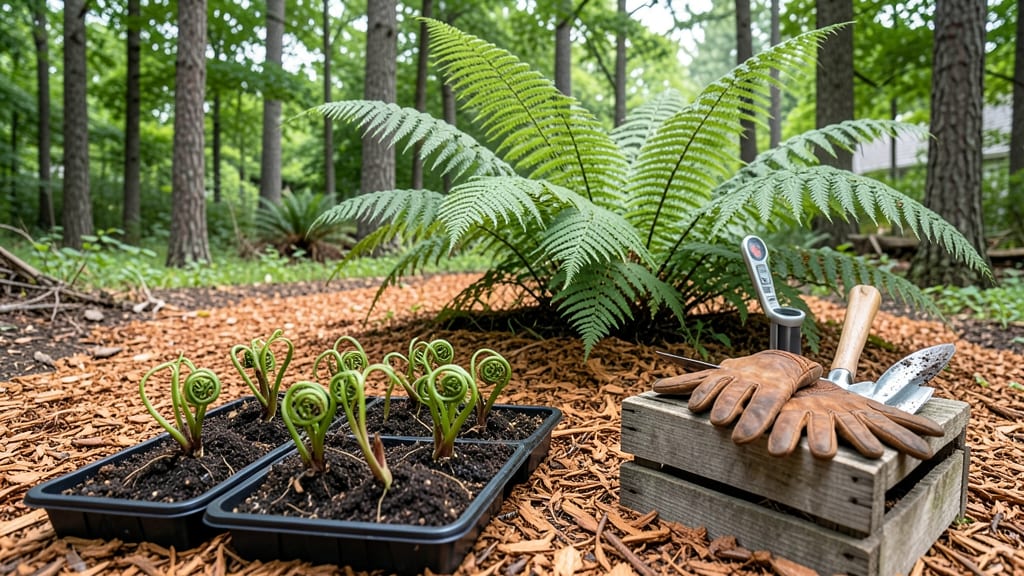
Planting ferns in Michigan at the wrong time can turn your dream garden into a sad, withered mess—especially when frost sneaks in and steals your progress.
The key to lush, thriving 🌿 ferns lies in understanding Michigan’s 5b-6b climate, where timing isn’t just about months but about soil temperature and frost dates.
Most gardeners assume spring is the only option, but early fall can actually give ferns a head start before winter. I’ve learned that planting in April or May (after the last frost) or in September (before the first chill) makes all the difference for root establishment.
Why does this matter? Because ferns love moisture and shade, and Michigan’s unpredictable weather can either make or break their growth. Whether you’re a seasoned gardener or just starting, getting the timing right means fewer wilting fronds and more vibrant foliage all season long.
Let’s break down exactly when to plant, how to prep your soil, and what Michigan’s climate means for your ferns’ survival—so you can enjoy that perfect, shady corner of greenery year after year.
Best months to plant ferns in Michigan for maximum growth
Michigan’s 5b-6b hardiness zones create the perfect balance for ferns, but timing your planting is critical. Most gardeners swear by spring planting (April-May) when soil temperatures reach 50°F+, but early fall (September) also works for hardy native species.
The key? Avoid planting when frost dates loom—ferns hate cold soil and won’t establish roots properly.
Native Michigan ferns like Ostrich fern and Christmas fern thrive when planted in cool, moist soil. Non-native varieties (e.g., Japanese painted fern) need slightly warmer conditions to avoid shock. Let’s break down the best windows based on your region’s last frost dates and soil readiness.
| Planting Window | Best Months | Soil Temp | Frost Risk | Ideal For |
|---|---|---|---|---|
| Spring Planting | April–May | 50°F+ | Low (post-last frost) | Native & non-native ferns |
| Early Fall Planting | September | 60°F+ | Moderate (before first frost) | Hardy native species |
| Avoid Planting | March, October–November | Below 40°F | High | All fern types |
For spring planting, aim for April 15–May 15 in most of Michigan. Southern regions (e.g., Detroit) can start as early as mid-April, while the Upper Peninsula may need to wait until late May.
Test soil moisture—ferns hate soggy roots but also dry out quickly in containers. Mulch with 3–4 inches of organic matter (like shredded bark) to retain moisture.
Fall planting in September gives ferns time to establish roots before winter. Choose early September for southern Michigan or late September in northern areas. Avoid planting after mid-October, as roots won’t harden off before frost.
Native ferns like marginal wood fern are ideal for fall—just water deeply after planting to encourage root growth.
Non-native ferns (e.g., Boston fern) need extra care in Michigan’s climate. Plant them in spring only and protect them with microclimate shields (like evergreen boughs) during late fall.
These varieties thrive in humid, shaded spots but struggle with Michigan’s dry winters. A thick layer of mulch (4+ inches) is non-negotiable for their survival.
Pro tip: Divide established ferns in early spring (March–April) to propagate them. This method works best for Ostrich fern and Lady fern. Simply dig up clumps, separate the rhizomes, and replant in prepared soil. This gives you instant growth without waiting for seeds to germinate.
Container gardening? Plant ferns in late April–early May to avoid cold snaps. Use terracotta pots (they wick moisture) and place them in partial shade. Move containers to a sheltered spot (like a porch) before October 1 to extend their season.
Potted ferns dry out faster—check soil moisture every 3–5 days in summer.
Watch for late-season heatwaves in June. While ferns love moisture, overwatering in heat causes root rot. Let the top 1 inch of soil dry between waterings. In July–August, ferns may go dormant—reduce watering but keep soil lightly moist to prevent stress.
Remember: Michigan’s microclimates vary wildly. A garden in Traverse City may have 20 extra frost-free days compared to Detroit. Use a local frost calendar (like the Michigan State University Extension maps) to fine-tune your timing.
With the right window, your ferns will reward you with year-round greenery, even through Michigan’s harsh winters.
How Michigan’s climate affects fern planting success
Michigan’s diverse climate—from the humid forests of the Upper Peninsula to the drier southern regions—creates unique challenges for fern planting. The Great Lakes influence moisture levels, while frost dates vary by 3-4 weeks between northern and southern Michigan.
Understanding these factors helps you choose the right ferns and planting times for your location.
In the Upper Peninsula (USDA Zone 5b), where winters are longer and summers cooler, ferns need extra protection. The average last frost date is around May 15, giving you a shorter growing season.
Meanwhile, in the Lower Peninsula (Zone 6a-6b), milder winters allow planting as early as April 15 in southern regions like Detroit.
⚠️ callout-warning ⚠️
Planting ferns too early (before soil warms to 50°F) risks frost damage, while planting too late (after July) limits root establishment before winter. The 4-6 week window between last frost and summer heat is ideal for most Michigan regions.
Upper Peninsula Tip: Wait until May 20 for safer planting. Lower Peninsula Tip: April 15 works for southern zones.
Michigan’s humidity levels also impact fern success. The Upper Peninsula’s wetter climate suits moisture-loving ferns like Ostrich Ferns, while the drier southern regions benefit from drought-tolerant varieties such as Autumn Ferns. Always test your soil’s moisture retention—ferns hate drying out but also dislike waterlogged roots.
For shade-loving ferns (most varieties), timing matters less than location. Plant these anytime soil is workable (April-September), but prioritize spring planting for faster establishment. Sun-tolerant ferns like Wood Ferns need morning sun exposure and should go in after the last frost date to avoid heat stress.
Regional soil differences play a role too. The Upper Peninsula’s acidic, clay-heavy soils require organic matter amendments, while southern Michigan’s loamy soils often need peat moss or pine needles to maintain the acidic pH ferns prefer (5.0–6.5).
Adjust your planting timing based on when you can prepare the soil properly.
Don’t forget that container-grown ferns in Michigan can be planted 1-2 weeks later than in-ground varieties, since pots warm up faster. This flexibility helps urban gardeners in Detroit or Grand Rapids extend their planting window into early June if needed.
By aligning your planting with Michigan’s microclimates—whether you’re in Traverse City’s cooler shores or Ann Arbor’s warmer inland areas—you’ll give your ferns the best shot at thriving year-round. The key is observing local frost patterns and adjusting for your specific soil and sunlight conditions.