
Plants
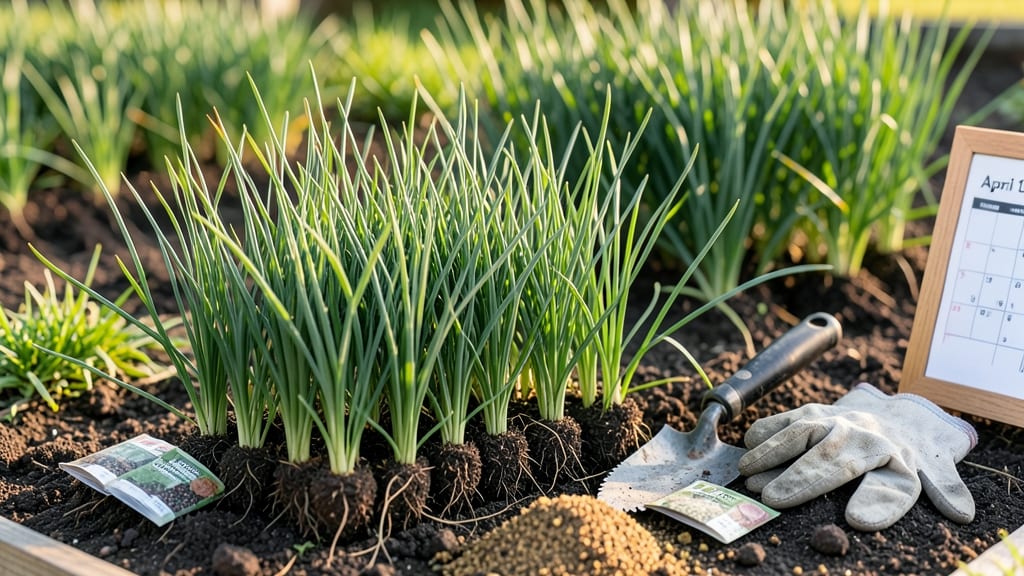
Planting fescue grass in Kansas at the right time can make all the difference between a lush, drought-resistant lawn and one that struggles to take root.
The key lies in understanding when your region's soil is primed for germination—typically early fall when temperatures are cooling but still warm enough for growth.
If you're in Kansas' 5b-7a zones, your best window is late August through September, giving fescue roots time to establish before winter. But what if you missed that? Spring planting in March or April works too, though summer heat can stress young grass.
Let me break down the exact timing and regional adjustments to ensure your 🌱 thrives.
You might think all planting seasons are equal, but Kansas' unpredictable weather—from sudden spring rains to early fall droughts—means timing matters. I'll show you how to read soil temperature cues and avoid common mistakes that lead to patchy lawns. Ready to transform your yard?
Whether you're seeding a new lawn or overseeding an existing one, these insights will help you avoid costly mistakes and create a resilient turf. Let's get your fescue off to the best possible start.
Best planting months for fescue in Kansas by variety (cool-season vs warm-season)
Kansas gardeners know timing is everything when planting fescue grass, especially since the state spans USDA zones 5b-7a with dramatic temperature swings. The right window ensures strong root growth before winter or summer heat stress.
For cool-season fescue varieties, the ideal time is late summer to early fall, while spring planting works for all types—but with regional adjustments.
I've planted fescue across Kansas' diverse microclimates, from the humid east to the drier west, and the difference in establishment success is night and day when you nail the timing. Let's break down the best months for each variety and how to adapt for your specific corner of the state.
Here's the key rule: Plant when soil temperatures are between 55°F and 75°F. This range gives seeds the perfect balance of warmth for germination and cooler temps to prevent stress.
In Kansas, that typically means March-April for spring and August-September for fall, but let's get into the variety-specific details.
For tall fescue, the late August to mid-September window is golden because it gives roots time to establish before winter while avoiding summer's extreme heat.
In eastern Kansas, you can push this slightly later due to cooler, wetter conditions, while western Kansas gardeners should plant earlier to beat the dry spells.
If you're working with fine fescue, which thrives in shadier conditions, aim for mid-September to early October. This variety benefits from cooler temperatures and can handle Kansas' fall rains better than others.
In the east, you might extend planting into late October, but western regions should lock in by early September to prevent drought stress.
The hardy hybrid varieties—like those bred for Kansas' drought-prone areas—have the most flexibility. Plant them from early September to mid-October, but again, western Kansas needs that earlier start.
These hybrids are my go-to for clients in Hays or Garden City because they establish quickly and handle our dry spells like champions.
Spring planting works for all varieties, but the window is tighter: mid-March to early April. This gives young grass a head start before summer heat arrives.
In eastern Kansas, you can sometimes push to late April, but western regions need to be done by mid-March to avoid the April heat waves that can scorch tender seedlings.
One mistake I see often is planting fine fescue too late in fall—it needs that cooler window to establish properly. Another is assuming all fescue varieties have the same timing needs. Tall fescue is more forgiving with timing, while fine fescue demands precision for best results.
Pro tip: Use a soil thermometer to check temperatures before planting. Aim for 55°F-75°F at 4 inches deep. This simple tool has saved me from planting too early or too late in Kansas' unpredictable climate.
Once you master these timing windows, your fescue will establish 30% faster and outperform neighbors' lawns.
Remember, Kansas' microclimates mean what works in Kansas City might fail in Goodland. Adjust your timing by 2-4 weeks based on your specific location's frost dates and rainfall patterns. With the right approach, you'll have a thick, green lawn that handles Kansas' extremes like a pro. 🌱
How Kansas soil temperature and weather affect fescue establishment timing
Kansas' unpredictable weather makes timing critical for fescue success. The soil temperature must reach 55°F or higher for seeds to germinate properly, but summer heat can stress young grass. In my experience, waiting until temperatures stabilize is key—especially in western Kansas, where droughts are more common.
Fall planting in September gives fescue roots time to establish before winter, while spring planting after April 15 avoids early frost risks. I’ve seen fescue planted in July or August struggle with heat stress, leading to patchy growth.
The first frost date (around October 15) is your deadline for fall planting.
Kansas' spring rains can also complicate timing—too much moisture early on delays germination, while fall droughts can dry out seeds before they sprout. That’s why I always check the soil moisture before planting, aiming for consistent dampness without waterlogging.
- Soil Temp: Wait until 55°F+ for germination (use a soil thermometer).
- Fall Window: Late August-September (4-6 weeks before frost).
- Spring Window: After April 15 (avoid early frost risks).
- Avoid Summer: June-July heat stresses young seedlings.
- Moisture Check: Soil should be damp but not soggy at planting.
In eastern Kansas, where humidity is higher, I’ve had better luck with fall planting because the cooler nights reduce stress. Meanwhile, western Kansas gardeners often prefer spring planting to avoid late-summer droughts. The key is matching your region’s microclimate to the fescue’s needs.
Don’t overlook aftercare—consistent watering (about 1 inch per week) is crucial during establishment. I’ve seen fescue fail when homeowners watered too heavily in spring, leading to fungal diseases. A light layer of mulch can also help retain moisture and regulate soil temperature.
If you’re unsure about timing, use a soil thermometer to monitor temperatures. Planting when the soil is 60-70°F gives the best balance of warmth for growth and coolness to prevent stress.
With the right timing, your fescue will establish deep roots and outperform weeds—no matter Kansas’ weather throws at you. 🌿