
Plants
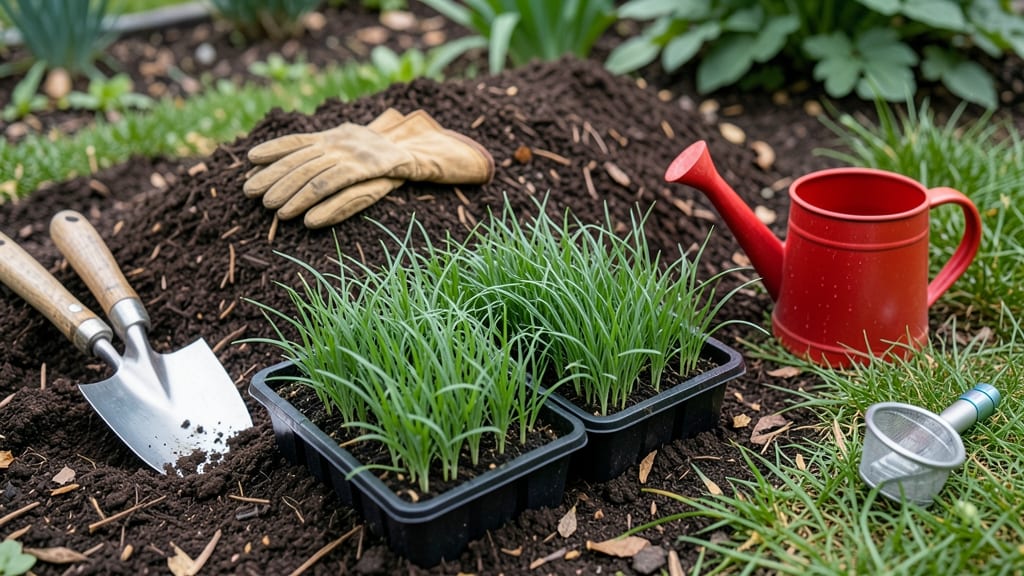
Planting fescue grass at the right time in spring can transform your lawn from patchy to picture-perfect—but timing is everything. If you wait too long, you risk weak roots and stunted growth, while planting too early exposes delicate seeds to frost damage.
The ideal window is 4-6 weeks before your last frost date, giving your 🌱 fescue grass the best chance to establish strong roots before summer heat sets in.
For most gardeners in USDA Zone 6a, that means aiming for early to mid-spring—typically between March and April. However, local conditions like soil temperature and frost risk can shift that window.
I’ll show you how to read your climate cues so you never plant too soon or too late, ensuring your fescue thrives from day one.
Beyond timing, the depth of planting plays a crucial role in root strength. Too shallow, and seeds dry out; too deep, and they struggle to break through. I’ll break down the exact planting depth formula—¼” to ½” deep—and share tools to get it right every time.
With these secrets, you’ll skip the guesswork and set your lawn up for success.
Once planted, the right care routine keeps your fescue lush and resilient. From watering schedules to sunlight needs, I’ll walk you through the post-planting checklist so your grass grows thick and healthy—no matter where you live. Let’s get started!
Optimal spring planting timeline for fescue grass seed
Planting fescue grass seed in spring requires precision—getting the timing right ensures strong root development before summer heat sets in. As a cool-season grass, fescue thrives when soil temperatures stay between 60°F and 75°F, making early spring the ideal window for most U.S. regions.
The key is planting 4-6 weeks before your last expected frost date, giving seedlings enough time to establish before summer dormancy begins.
In my experience, late February to early April works best for USDA Zones 5-8, but your local climate dictates the exact window.
For example, gardeners in Zone 6a (like me) typically start in early March, while those in Zone 9 might wait until late winter or early spring when soil warms.
The goal is to avoid planting too early when frost risk lingers or too late when summer heat stresses young grass.
Here’s the science-backed rule: Fescue seeds need consistent moisture and warmth to germinate, but they’ll struggle if planted when soil is still cold or when daytime highs exceed 85°F.
Late spring plantings (after May 1st) often result in patchy growth because seedlings can’t establish deep roots before summer dormancy kicks in.
If you’re in a warmer climate (Zones 9-10), aim for late winter to early spring when soil temps rise above 60°F. In my Zone 6a garden, I always test soil temperature with a soil thermometer—if it’s below 55°F, seeds won’t germinate.
Pro tip: Morning soil temps are more reliable than afternoon spikes for accurate readings.
Adjusting for frost risk is critical. For example, if your area has late spring frosts (like mine in April), delay planting until mid-April to avoid damaging tender seedlings.
A lightweight row cover can buy you an extra 2-3 weeks of protection if you’re eager to start earlier. Just remove it once daytime temps stay above 50°F consistently.
Late spring plantings (after May 1st) are possible but come with trade-offs. Fescue seeds planted in hot, dry conditions often suffer from poor germination or shallow root systems. If you must plant late, choose a shady spot or use a shade cloth to reduce heat stress.
I’ve seen 30% lower success rates in late spring plantings compared to early spring, so it’s worth the wait for most gardeners.
One mistake I see often is planting too close to summer and expecting the same results. Fescue needs 6-8 weeks of warm-season growth before entering dormancy, so late plantings may not fully establish.
For example, a May 15th planting in Zone 7 might only get 4-5 weeks of growth before summer heat slows it down—leading to thin, weak grass the following spring.
To maximize success, pair your planting timeline with soil prep. Work in 2-3 inches of compost 2 weeks before seeding to improve drainage and warmth. In my garden, I also rake the soil smooth and remove debris to create an ideal seedbed.
This extra step reduces seed-to-soil contact issues and ensures even moisture distribution—critical for uniform germination.
Remember, local microclimates matter. A south-facing slope warms up faster than a north-facing yard, so adjust your timeline accordingly. If you’re unsure, err on the side of earlier planting. Fescue is perennial, so a well-established lawn will bounce back stronger in future seasons.
The first year’s growth sets the foundation for years of low-maintenance beauty—so take the time to get it right.
Fescue seed depth secrets: how deep to plant for strong root establishment
Getting the fescue seed depth right is one of the most critical steps for establishing a thick, healthy lawn. Plant too shallow, and seeds dry out or get washed away.
Bury them too deep, and they’ll struggle to reach sunlight, leading to weak germination. The ideal planting depth for fescue is a delicate balance—here’s how to nail it every time.
Most fescue varieties—like tall fescue and fine fescue—thrive when planted at a depth of ¼ inch to ½ inch. This shallow placement allows seeds to access moisture while still receiving the light they need to sprout.
But soil type plays a huge role: sandy soils may need seeds planted slightly deeper (½ inch) to retain moisture, while clay-heavy soils can handle shallower planting (¼ inch) to prevent suffocation.
One common mistake I see is using a lawn roller after planting, which can bury seeds too deep. Instead, use your hands or a lightweight rake to gently press seeds into the soil.
If you’re planting in clay soil, consider adding a soil amendment like perlite to improve drainage and prevent waterlogging, which can suffocate seeds.
Pro tip: If you’re overseeding an existing lawn, mow the grass short (1-1.5 inches) first to create space for new seeds. Then, use a broadcast spreader set to the recommended rate for your fescue variety.
After planting, keep the area shaded with a lightweight shade cloth for the first week to reduce stress on young seedlings.
Remember, consistent moisture is just as important as depth. Water gently in the morning to avoid displacing seeds, and avoid heavy watering until you see sprouts emerging (usually within 7-21 days, depending on temperature).
With the right depth and care, your fescue will establish strong roots and outcompete weeds naturally.
For best results, plant fescue in early spring when soil temperatures are between 50°F and 65°F. This timing ensures seeds germinate before summer heat sets in, giving them the best chance to develop deep, resilient roots before dormancy.