
Plants
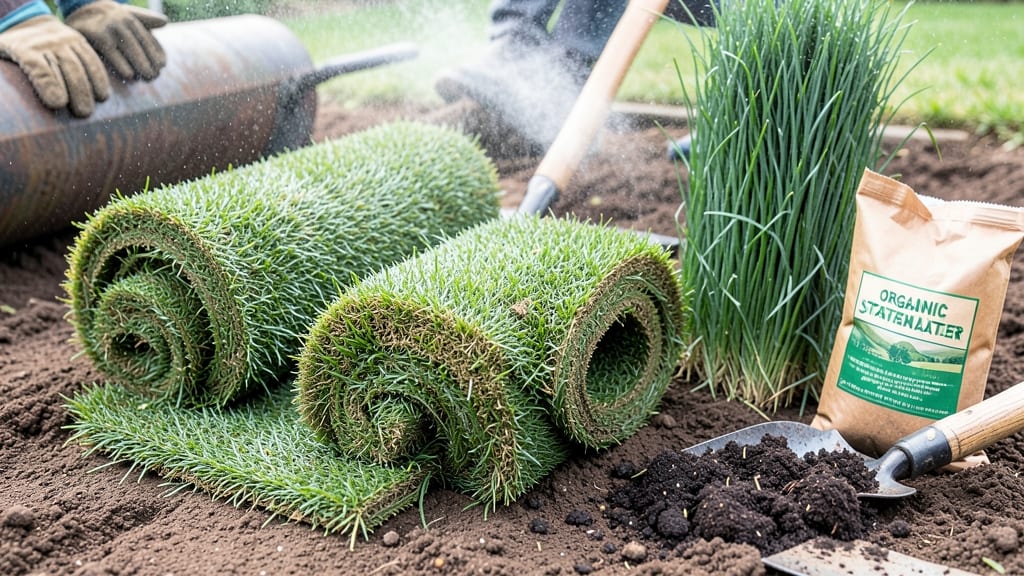
Planting fescue sod in Oklahoma isn't just about avoiding frost—it's about giving your lawn the best shot at thriving when the soil temperatures are just right.
With Oklahoma's 6a-8a climate zones, timing matters more than you might think, especially when summer heat can turn your new sod into a crispy brown mess if you're not careful.
I've seen firsthand how a few weeks can make all the difference between a lush, green lawn and one that struggles to take hold. The key is planting when the ground is cool enough for roots to establish but warm enough to avoid dormancy.
For Oklahoma, that typically means early spring (March-April) or early fall (September-October), when the 🌱 fescue grass can focus on growing instead of fighting the heat.
But here's the catch: not all parts of Oklahoma are created equal. Northern areas like Oklahoma City have different frost patterns than the southern regions, and even a week's delay can mean the difference between success and disappointment.
I'll walk you through exactly when to plant based on your specific location, so you can avoid common mistakes and give your new sod the best possible start.
Let's dive into the perfect planting window for your Oklahoma lawn, including soil temperature tips, frost-free guidelines, and how to prepare your yard for that critical first week after installation. Your future lawn will thank you!
Optimal soil temperature ranges for fescue sod in Oklahoma
Planting fescue sod in Oklahoma requires precision—especially when it comes to soil temperature. Fescue thrives when roots can establish quickly, and that happens best in a 50°F–65°F range.
Below this window, growth slows; above it, heat stress takes hold. In Oklahoma’s climate, this means timing matters more than just avoiding frost.
Northern Oklahoma (USDA zones 6a–7a) has cooler soils longer than southern regions (zones 7b–8a). For example, Oklahoma City typically hits ideal temps by mid-April, while Tulsa may wait until late March.
Southern areas like Lawton can plant as early as February, but only if soil temps cooperate.
Here’s the critical rule: Never plant when soil temps are below 50°F or above 70°F. Fescue roots struggle to penetrate cold, compacted soil, and summer heat causes dormancy stress. Use a soil thermometer (insert 4" deep) to check temps before planting—this small tool saves months of frustration.
Regional variations matter. In western Oklahoma (e.g., Altus), soils warm faster due to lower humidity. Eastern areas like Muskogee stay cooler longer because of higher moisture. Adjust your planting window by 1–2 weeks based on your microclimate—this fine-tuning makes all the difference.
| Zone | Ideal Planting Window | Soil Temp Range (°F) | Key Risk |
|---|---|---|---|
| Northern OK (6a–7a) | Mid-April to early May | 50°F–65°F | Late frost damage |
| Central OK (7a–7b) | Late March to April | 52°F–68°F | Heat stress in May |
| Southern OK (7b–8a) | February to March | 55°F–70°F | Early drought |
| Western OK (6b–7a) | Late March to April | 50°F–67°F | Windburn |
Testing soil temperature is easier than you think. Insert a soil thermometer 4 inches deep (the depth fescue roots target) and wait 10 minutes for an accurate reading.
In early spring, check temps weekly—soils can fluctuate 10°F+ in a single day. If temps dip below 50°F, delay planting until conditions stabilize.
Adjust your planting timing based on Oklahoma’s two best windows: early spring (March–April) and early fall (September–October). Fall planting is often ideal because soils stay warm longer, and cooler air temps reduce evaporative stress.
Aim for September 1–15 in most regions—this gives roots 6–8 weeks to establish before winter dormancy.
If you’re in a transition zone (like Oklahoma City or Norman), consider fall planting over spring. Spring soils can warm too quickly, leading to shallow roots.
Fall’s moderate temps let fescue deep-root, making it far more resilient when summer arrives. This strategy is why many Oklahoma gardeners swear by September plantings.
Don’t overlook soil prep—even with perfect temps. Loosen the top 6 inches of soil to improve root penetration, and mix in compost to retain moisture. Fescue sod needs consistent moisture for the first 4–6 weeks, so mulch lightly (¼ inch of straw) to lock in humidity.
This step is non-negotiable in Oklahoma’s dry spells.
Pro tip: If you miss the spring window, don’t panic. Fall planting is just as effective—often more so. The key is soil temperature, not calendar months.
Use the 50°F–65°F rule as your guide, and you’ll give your fescue sod the best shot at thriving in Oklahoma’s unpredictable climate. 🌱
Oklahoma’s frost-free window: when to plant before summer heat strikes
Oklahoma’s frost-free window is your golden opportunity to plant fescue sod without battling summer’s scorching heat. The ideal timeframe runs from early September to mid-October, when soil temperatures stay cool enough for root establishment while avoiding the 100°F+ heat waves that stress young grass.
This window ensures your sod has 4-6 weeks to develop deep roots before winter dormancy sets in.
Why this timing? Fescue thrives in 60°F–75°F soil, and Oklahoma’s fall temperatures drop quickly after October. Planting too late risks winter dormancy before roots strengthen, while planting too early exposes sod to summer heat stress.
Rural areas may have 1-2 weeks earlier windows than cities due to cooler microclimates.
Comparison Table: Oklahoma’s Frost-Free Planting Window by Region
| Region | Ideal Planting Window | Last Frost Date | Soil Temp Range |
|---|---|---|---|
| Northern OK (e.g., Oklahoma City) | Early Sept (5th) – Mid-Oct (15th) | Late Feb – Early April | 60°F–70°F |
| Central OK (e.g., Tulsa) | Late Aug (25th) – Early Oct (5th) | Mid-Feb – Late March | 62°F–72°F |
| Southern OK (e.g., Lawton) | Mid-Sept (10th) – Late Oct (20th) | Early Feb – Early April | 65°F–75°F |
| Rural Areas (e.g., Panhandle) | Early Sept (1st) – Mid-Oct (10th) | Late Feb – Early March | 58°F–68°F |
To pinpoint your exact last frost date, check the USDA Plant Hardiness Zone Map for your ZIP code. Oklahoma spans USDA Zones 6a–8a, so rural areas in the panhandle (Zone 7a) may have 2 weeks earlier frost-free windows than southern cities like Tulsa (Zone 7b).
Use the Almanac’s Frost Calculator for precise local data.
Pro tip: Plant 2–3 weeks before your region’s first 50°F nighttime low to give roots time to establish. For example, if Tulsa’s first frost is October 20th, aim for September 25th planting.
Water deeply 2x daily for the first 2 weeks to combat Oklahoma’s low humidity and prevent sod from drying out.
Remember, summer heat stress is your biggest enemy. Fescue sod planted in June or July often suffers from shallow roots and brown patches due to Oklahoma’s intense afternoon sun. By planting in fall, you’re giving your lawn a head start for next spring’s growth spurt.
For extra protection, apply a 1-inch layer of mulch around newly planted sod to retain moisture and regulate soil temperature. This is especially critical in high plains regions where temperature swings can exceed 30°F in 24 hours.
With the right timing, your fescue sod will establish a deep, resilient root system before winter—setting you up for a lush, green lawn next year. 🌱