
Trees
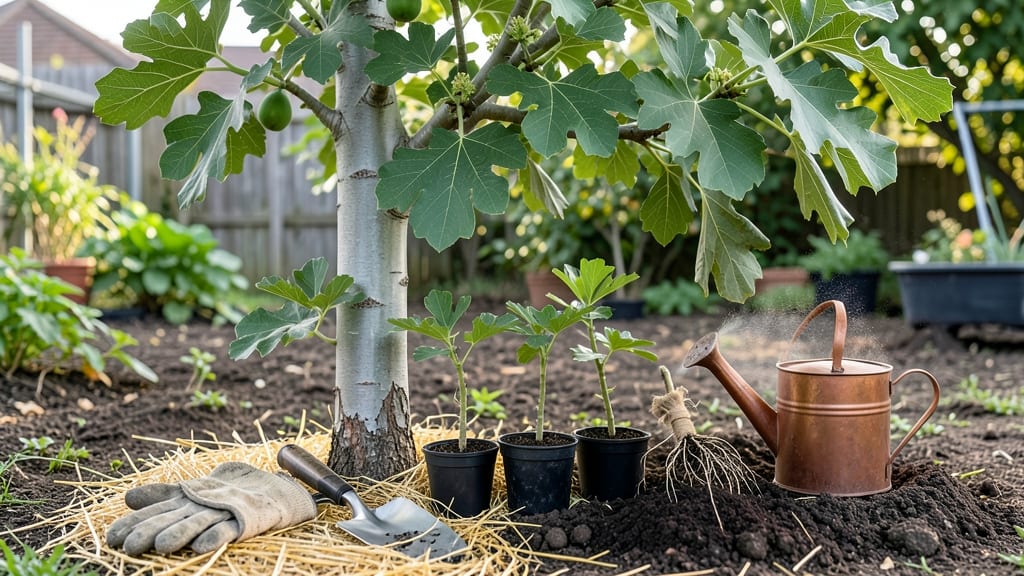
Planting a fig tree 🍇 in North Carolina at the wrong time could mean watching your investment wilt before it even takes root.
The secret to success lies in understanding your specific heat zone—whether you're in the frost-prone Piedmont or the milder Coastal Plain—because a single late frost can set back your tree for months.
Most gardeners in NC zones 7a-8b assume mid-spring is their only window, but the truth is more nuanced. While March 15 to June 15 gives you the broadest safety net, your exact timing should factor in microclimates—like urban heat pockets that can push back frost dates by weeks.
I'll show you how to pinpoint your perfect planting window without guessing.
What you'll discover here goes beyond just dates—it's about preparing your soil, choosing the right varieties (like cold-hardy 'Celeste' or prolific 'Brown Turkey'), and even container growing hacks for areas with unpredictable frosts.
These strategies have helped me grow thriving fig trees in my own Zone 7a garden, and they can work for you too.
Let's break down exactly when to plant, how to protect young trees from late frosts, and which fig varieties will reward you with the sweetest harvests from August through October—no matter where you live in North Carolina.
NC heat Zone map: best planting months by region
North Carolina’s climate varies dramatically from the Coastal Plain to the Piedmont, making planting timing critical for fig trees. In Zone 7a (Piedmont), last frosts often hit March 15, while Zone 8b (Coastal Plain) sees fewer frost risks until November.
Fig trees thrive when planted after these dates, but microclimates—like urban heat islands—can shift your window by 2-4 weeks.
For Piedmont regions (e.g., Raleigh, Greensboro), aim for April 15–May 15 to avoid late frosts. Coastal areas (e.g., Wilmington, Fayetteville) can plant as early as March 1 due to milder winters. Container-grown figs offer flexibility, letting you move them indoors if frost threatens.
Your last frost date determines the safest planting window. Check your county’s USDA frost map—some inland areas (like Asheville) may need to wait until May 1. Always plant 2-3 weeks after the average last frost to ensure root establishment before summer heat arrives.
Microclimates play a huge role. A south-facing slope warms faster, allowing earlier planting, while valleys hold cold air longer. Urban areas with concrete and pavement can be 5–10°F warmer than rural zones, extending your planting window by weeks.
| Region | USDA Zone | Last Frost Date | Ideal Planting Window | Microclimate Adjustments |
|---|---|---|---|---|
| Piedmont (Raleigh, Greensboro) | 7a-7b | March 15–April 1 | April 15–May 15 | Wait 3 weeks in valleys; plant 2 weeks early on slopes |
| Coastal Plain (Wilmington, Fayetteville) | 8a-8b | February 15–March 1 | March 1–April 15 | Urban areas: plant 1 week earlier; rural: wait until March 15 |
| Mountains (Asheville, Boone) | 6b-7a | April 1–April 15 | May 1–May 15 | Container-grown figs only; move indoors if frost predicted |
If you miss the spring window, late summer planting (August) is your second chance. Young fig trees planted in August still have time to establish roots before winter, especially in Zone 8b. Just mulch heavily and water consistently to offset summer heat stress.
For container-grown figs, timing is less critical. You can plant anytime the soil is workable (as early as March in Zone 8b or May in Zone 7a), then move pots indoors if frost threatens. This flexibility makes containers ideal for urban gardeners or those in frost-prone microclimates.
Always monitor local weather forecasts in the weeks leading up to planting. A late frost warning can delay your schedule by weeks. Use row covers or black plastic mulch to protect young trees if frost sneaks in unexpectedly.
Once planted, fig trees reward patience. In Zone 8b, you may see fruit as early as first year, while Zone 7a trees take 2–3 years to bear.
The key is consistent care—full sun, well-draining soil, and regular watering—to ensure your tree thrives regardless of when you plant.
Pro tip: Plant ‘Celeste’ figs in cooler zones—they’re the most cold-hardy variety and can survive brief dips to 15°F. For warmer areas, ‘Brown Turkey’ thrives with minimal frost protection and produces heavy yields.
How to extend fig tree survival in NC’s frost-prone areas
Even if you nail your planting window in NC, late frosts can still threaten young fig trees—especially in Zone 7a areas like the Piedmont. I’ve lost multiple trees to unexpected cold snaps, but these protective strategies have saved mine every time.
The key is combining physical protection with smart planting choices that buy your tree extra time to establish roots.
First, check your last frost date using the Old Farmer’s Almanac—it varies wildly across NC, from early March in the Coastal Plain to late April in the Mountains. If you’re planting after your local cutoff, you’ll need to act fast.
My Zone 7a garden often gets a late frost in early May, so I adjust my timeline accordingly.
For in-ground plantings, mulching is your first line of defense. Apply a 6-inch layer of straw or wood chips around the base of your tree—this insulates roots and moderates soil temperature.
I’ve seen mulch raise soil temps by 5-10°F during cold snaps, which can mean the difference between survival and damage. Pair this with a tree wrap (available at garden centers) to protect bark from cracking.
Container growing offers flexibility for late plantings. Use 15-gallon+ pots with drainage holes and move them to sheltered spots (like against a south-facing wall) when night temps dip below 40°F. I keep mine on a porch with heat lamps during critical frost weeks.
Dwarf varieties like ‘Little Miss Figgy’ thrive in containers and produce fruit faster, making them ideal for high-risk areas.
Don’t overlook microclimates—urban areas often stay 5-10°F warmer than rural zones due to concrete and buildings. If you’re in a city like Raleigh or Charlotte, you might push planting to June 1 safely. Test your microclimate by monitoring temps with a minimum/maximum thermometer for a week before planting.
Finally, water deeply before a frost event—moist soil holds heat better than dry soil. I give my trees a deep soak the night before expected cold snaps. Combine this with row covers (lightweight fabric) draped over young trees for extra insulation.
With these tactics, even late-planted figs can survive NC winters and reward you with fruit the following summer.