
Flowers
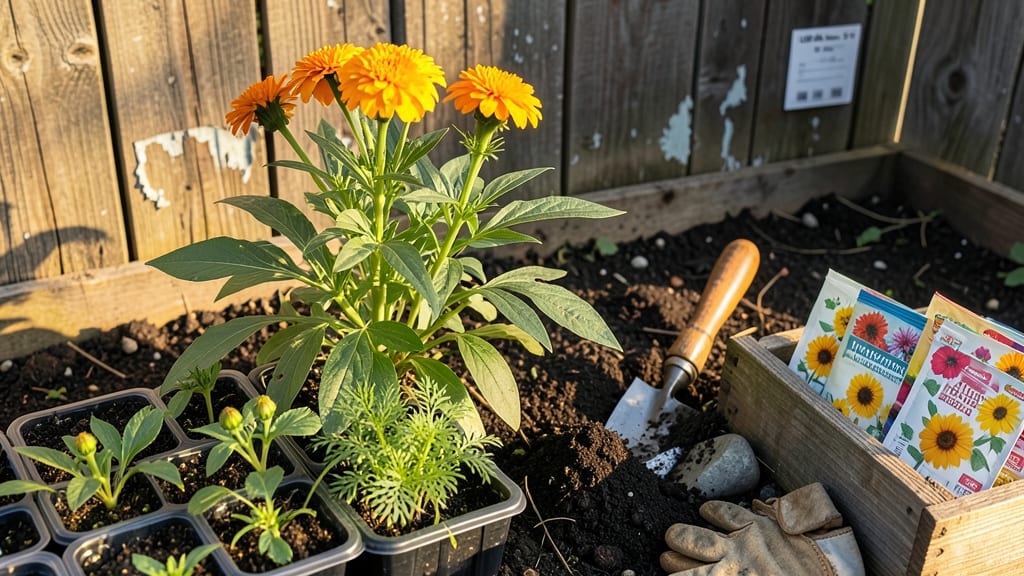
Timing when to plant flower seeds in Missouri wrong can mean the difference between a garden bursting with color and a sad, half-dead patch of dirt.
The perfect planting window isn’t just about months—it’s about understanding your local frost dates, soil warmth, and even humidity levels that can make or break your blooms.
If you’ve ever planted too early and watched frost nip your seedlings or waited too long only to see wilting flowers under summer’s heat, you’re not alone. Missouri’s 5b-6b zones have specific rhythms, and knowing when to start seeds indoors versus direct-sowing outdoors is the key to success.
In this guide, I’ll break down the best months for planting flower seeds in Missouri, whether you’re aiming for spring’s bold annuals or fall’s hardy perennials.
You’ll learn how to adjust for early or late seasons, prep your soil like a pro, and even spot the best local varieties that thrive in our climate.
Ready to transform your garden into a year-round showstopper? Let’s get those seeds in the ground at the right time—so you can enjoy blooms from spring to frost.
Missouri's ideal flower seed planting calendar by hardiness Zone
Missouri's hardiness zones 5-7 create a unique gardening climate where timing determines success. Whether you're in St. Louis (Zone 6a) or Kansas City (Zone 6b), understanding frost dates and soil temperatures is key to growing thriving flowers.
Most regions experience last frost around April 15 and first frost by mid-October, giving you two prime planting windows: spring and fall.
For annual flowers like zinnias and marigolds, spring planting after frost ensures vibrant summer blooms. Meanwhile, cool-season perennials such as black-eyed Susans and coneflowers thrive when sown in late summer for fall color. Let's break down the month-by-month planting schedule tailored to Missouri's climate zones.
| Month | Best Seeds to Plant | Soil Temp | Notes |
|---|---|---|---|
| March | Pansies, Snapdragons, Sweet Alyssum | 40-50°F | Start indoors for early blooms |
| April | Marigolds, Zinnias, Sunflowers | 50-60°F | Plant after last frost date |
| May | Cosmos, Nasturtiums, Petunias | 60-70°F | Direct sow after soil warms |
| June | None (established plants) | 70-80°F | Focus on maintenance |
| August | Black-Eyed Susans, Coneflowers | 60-70°F | 4-6 weeks before frost |
| September | Dianthus, Sweet William | 50-60°F | Cool-season varieties |
| October | None (before frost) | Below 50°F | Harvest remaining seeds |
In March, focus on cool-tolerant annuals like pansies and snapdragons. These hardy varieties can handle Missouri's early spring chill and often bloom by May. Start seeds indoors under grow lights to give them a head start before transplanting outdoors after the last expected frost.
By April, soil temperatures rise to 50-60°F, making it ideal for heat-loving annuals such as marigolds and zinnias. These fast-growing flowers thrive in Missouri's sunny summers and provide continuous blooms from June through October.
Always check your local frost dates—St. Louis may be 1-2 weeks earlier than Kansas City.
May marks the peak planting month for summer-blooming annuals. Cosmos and nasturtiums are excellent choices as they self-seed easily and attract pollinators. For perennial flowers, May is also the time to divide and transplant established plants like black-eyed Susans to encourage vigorous growth.
While June is typically a maintenance month, it's perfect for succession planting. If you notice spent blooms on your zinnias or marigolds, pull them out and replace them with new seeds for extended summer color. This technique ensures your garden stays lush and vibrant all season long.
Shift your focus to fall planting in August for perennial flowers that need time to establish roots before winter. Coneflowers and black-eyed Susans planted now will bloom next spring and return year after year. Aim to plant 4-6 weeks before your first frost—usually mid-September in most of Missouri.
September is your last chance to plant cool-season annuals like dianthus and sweet William. These frost-resistant flowers will provide colorful blooms well into November before winter sets in. Always water deeply after planting to help roots establish in cooler soil temperatures.
As October approaches, most Missouri gardeners focus on harvesting seeds and cleaning up their gardens. However, if you're in Zone 7, you might still have time to plant hardy perennials like lavender or Russian sage that can handle early winter chill.
Remember, Missouri's microclimates can vary significantly. Always monitor local weather forecasts and adjust your planting schedule accordingly. With this month-by-month guide, you'll be well on your way to growing a stunning flower garden
Spring vs. fall planting: which strategy works best for Missouri flowers?
Deciding between spring and fall planting for Missouri flowers depends on your goals—quick summer color or hardy blooms next year. Missouri's USDA zones 5b-6b offer unique opportunities for both seasons, but each has distinct advantages for popular flowers like marigolds, zinnias, and coneflowers.
Let's break down the pros and cons to help you choose the best strategy.
Spring planting gives you earlier blooms and a longer growing season, perfect for annuals like cosmos and sunflowers. However, late frosts in Missouri can still threaten tender seedlings if planted too early.
Fall planting, on the other hand, allows flowers to establish roots in cooler soil while avoiding summer heat stress. This method is ideal for perennials like black-eyed Susans and bee balm that need time to root before winter.
Here’s a quick comparison to help you decide which approach works best for your Missouri garden:
- Faster blooms in summer
- Ideal for annuals like zinnias
- Longer growing season
- Risk of late frost damage
- Requires more watering in heat
- Cooler soil = better root growth
- Established roots survive winter
- Less pest pressure in fall
- Slower first-year blooms
- Limited to hardy perennials
For Missouri gardeners, fall planting often wins for perennials like coneflowers and black-eyed Susans, as they establish strong roots before winter. However, if you crave instant summer color, spring planting with marigolds or zinnias delivers faster results.
Consider your timeline—fall planting rewards patience with next-year blooms, while spring planting satisfies immediate gratification.
Pro tip: Combine both strategies! Plant spring annuals for summer color and fall perennials for long-term beauty. This way, your garden stays vibrant year-round, regardless of Missouri’s unpredictable weather patterns.
Start with 6-8 weeks before your last frost date for spring, or 6-8 weeks before first frost for fall, and watch your flowers thrive.
Experiment with both methods to see what works best in your specific Missouri microclimate. Whether you choose spring’s quick rewards or fall’s patient approach, timing is the key to a flourishing garden. Happy planting! 🌸