
Flowers
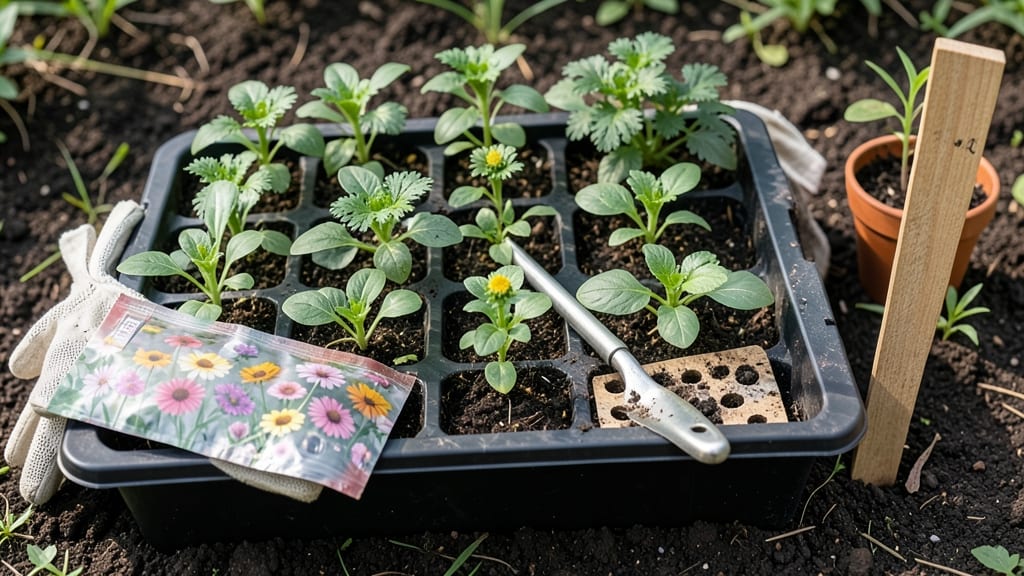
Planting flower seeds at the wrong time in Zone 6 (General) can mean the difference between a garden bursting with 🌸 and a season of disappointment. The key isn't just guessing—it's understanding your region's frost dates and soil conditions to time your plantings perfectly for vibrant blooms.
For gardeners in 6a-6b, the ideal window is narrow: spring after your last frost (typically mid-April) or fall, about 6-8 weeks before the first frost hits (mid-October). But here's the catch—some flowers thrive when started indoors, while others beg to be sown directly outside.
Let me break down the exact timing for both methods so you never miss a bloom.
Whether you're dreaming of summer annuals or hardy perennials, getting this right means fewer dead starts and more stunning displays. I'll walk you through the seasonal calendar, regional tweaks, and pro tips to extend your blooming season—no guesswork required.
Ready to transform your garden into a year-round showstopper? Let's dive into the perfect planting schedule for your Zone 6 flowers, so you can enjoy those first 🌸 of the season without the stress.
Zone 6 flower seed planting calendar: exact dates for spring and fall success
Mastering the perfect planting window in Zone 6 transforms your garden from a ho-hum patch to a blooming paradise.
The difference between spring and fall planting isn't just timing—it's about matching seed types with soil temperatures and frost dates that vary across Appalachia, the Midwest, and even urban heat islands. Let’s break it down so you never miss a bloom again.
First, know your last average frost date (typically mid-April in Zone 6) and first frost date (usually mid-October). These dates anchor your planting calendar, but regional tweaks matter.
For example, Appalachian gardens often have cooler springs and longer falls, while Midwest zones may face earlier heat stress. Adjust your schedule by 1-2 weeks based on local microclimates.
Here’s the golden rule: Cool-season flowers (like pansies and snapdragons) thrive when soil temps hover between 40°F–60°F, while warm-season bloomers (such as marigolds and zinnias) need 60°F+.
Planting too early? Seeds rot. Too late? You’ll miss the bloom season. Let’s get into the exact dates and regional adjustments.
For spring planting, start cool-season flowers indoors 4–6 weeks before your last frost date to give them a head start. If you’re direct sowing, wait until soil temperatures consistently stay above 40°F.
In Appalachia, this might mean March planting, while Midwest gardeners can often wait until mid-April. Use a soil thermometer to avoid guesswork—seeds need the right conditions to germinate.
Warm-season flowers are trickier because they hate cold snaps. Plant them 2–3 weeks after your last frost date, but if nighttime temps dip below 50°F, cover seedlings with frost cloth.
In urban heat islands, where soil warms faster, you might even push planting to early May. Succession plant every 2 weeks for continuous blooms—this works especially well for zinnias and cosmos.
Fall planting in Zone 6 is a hidden gem for extending your bloom season. Cool-season flowers like cosmos and calendula thrive when sown 6–8 weeks before your first frost. In Appalachia, this could stretch into mid-August, while Midwest gardeners should aim for late July
Best flowers to plant by season in Zone 6: cool vs. warm season varieties
Zone 6 gardeners have a golden opportunity to grow stunning flowers year-round by choosing the right varieties for each season. Cool-season flowers thrive in spring and fall, while warm-season blooms dominate summer. Let’s dive into my top picks for each category, including hardiness tips and companion planting ideas.
For spring blooms, I always start with pansies and snapdragons—they handle light frosts and brighten up beds early. Sweet peas are another favorite, climbing beautifully on trellises while adding fragrance. These cool-season stars need well-draining soil and 6+ hours of sun to perform their best.
In fall-planted flowers, cosmos and zinnias steal the show with their vibrant colors and long bloom cycles. Marigolds are my go-to for pest control, while sunflowers add dramatic height. These warm-season varieties love full sun and consistent moisture to keep them thriving until frost.
| Flower | Season | Planting Time | Sun Needs | Companion Plants |
|---|---|---|---|---|
| Pansies | Spring/Fall | Feb-Apr, Aug-Sep | Full Sun to Partial Shade | Lettuce, Radishes |
| Snapdragons | Spring/Fall | Mar-May, Jul-Aug | Full Sun | Tomatoes, Cabbage |
| Cosmos | Summer/Fall | Apr-May (direct) | Full Sun | Basil, Nasturtiums |
| Zinnias | Summer/Fall | May-Jun (direct) | Full Sun | Marigolds, Lettuce |
| Sunflowers | Summer | May-Jun (direct) | Full Sun | Corn, Beans |
Pro tip: Succession planting keeps your garden blooming all season. For example, sow cosmos seeds every 2 weeks in late spring to enjoy continuous color. Deadhead spent blooms on zinnias to encourage more flowers, and always mulch around perennials like coneflowers to protect roots.
Don’t forget companion planting—pairing flowers with veggies can boost yields. Marigolds repel pests from tomatoes, while nasturtiums deter aphids from roses. My favorite combo is snapdragons with cabbage; the flowers attract pollinators, and the cabbage thrives in their shade.
With these seasonal picks, your Zone 6 garden will be a nonstop parade of color. Start cool-season flowers early, and don’t wait too long for warm-season varieties—soil temps matter! Happy planting! 🌷