
Flowers
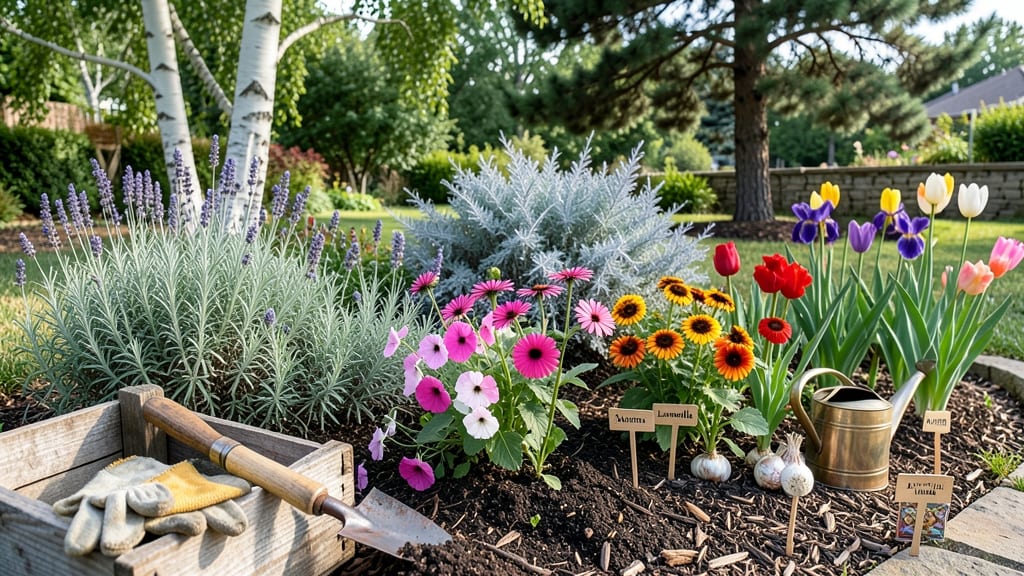
Timing your flower planting in Boise, Idaho, can make or break your garden’s success—especially when you’re working with Hardiness Zone 6b frost dates that shift every year. One wrong move, and your delicate 🌸 blooms might wilt before they even open, leaving you scrambling for a do-over.
But here’s the good news: with the right schedule, you can enjoy vibrant annuals, hardy perennials, and even late-season blooms that thrive in Boise’s dry climate.
Whether you’re a first-time gardener or a seasoned green thumb, knowing when to plant—from spring’s last frost to fall’s cooler temps—is the key to a garden that pops all season long.
I’ll walk you through the exact planting windows for Boise, including how to adjust for microclimates (like urban heat islands vs. rural areas) and which flowers hold up best in 150 frost-free days. No more guessing—just proven strategies to get your garden off to the right start.
Ready to transform your yard into a blooming paradise? Let’s dive into the perfect planting calendar for Boise’s unique growing conditions, so you can skip the trial-and-error and enjoy a garden that’s always in full bloom.
Boise Idaho flower planting timeline by season (Zone 7b guide)
Boise’s Zone 7b climate creates a unique gardening challenge with its hot, dry summers and cold winters. The key to success? Planting flowers at the right time—whether it’s spring-blooming bulbs or heat-loving annuals.
Miss the window, and you risk stunted growth or frost damage. Get it right, and you’ll enjoy year-round color with minimal effort.
In Boise, the last frost date typically falls around April 15, while the first frost arrives by October 15. However, microclimates—like urban heat islands or higher elevations—can shift these dates by 1-2 weeks.
Use these seasonal guidelines to align your planting with Boise’s rhythm, ensuring flowers thrive from spring to fall.
🌱 Pro Tip: Always check soil temperatures before planting. Most flowers need soil at at least 50°F for spring planting and 60°F+ for summer annuals. A soil thermometer is your best friend!
| Season | Plant Type | Optimal Planting Window | Soil Temp | Boise-Specific Notes |
|---|---|---|---|---|
| Spring | Bulbs (Tulips, Daffodils) | Late September - October | 50-60°F | Plant 6 weeks before first frost for spring blooms. |
| Spring | Perennials (Coneflowers, Lavender) | March - April (after last frost) | 45-55°F | Wait until soil warms to avoid rot. |
| Spring | Annuals (Marigolds, Petunias) | Mid-April - May | 55-65°F | Start indoors in March for earlier blooms. |
| Summer | Heat-Loving Annuals (Zinnias, Sunflowers) | May - June | 60°F+ | Use mulch to retain moisture in dry heat. |
| Fall | Cool-Season Annuals (Pansies, Snapdragons) | August - September | 50-60°F | Plant 6-8 weeks before first frost for color. |
| Fall | Bulbs (Alliums, Hyacinths) | September - October | 50-60°F | Choose drought-tolerant varieties for Boise’s dry falls. |
| Winter | Spring-Blooming Bulbs (Crocus, Snowdrops) | October - November | 40-50°F | Plant before ground freezes for early spring color. |
Spring planting in Boise kicks off with bulbs and perennials as early as March, but hold off on heat-sensitive annuals until after the last frost date. For example, tulips and daffodils should be planted in late September or October for stunning spring displays.
Meanwhile, coneflowers and lavender—Boise’s drought-resistant stars—thrive when planted in March or early April.
Summer is all about heat-loving annuals like zinnias and sunflowers, which should go into the ground by May or June once soil temperatures hit 60°F+. These plants thrive in Boise’s dry heat but need consistent watering during the first few weeks.
Mulching with straw or wood chips helps retain moisture and keeps roots cool.
Fall planting in Boise extends the blooming season with cool-season annuals like pansies and snapdragons. These should be sown in August or September, about 6-8 weeks before the first frost.
Pair them with fall-planted bulbs like alliums for a two-season show. Just remember: Boise’s dry falls mean these plants need regular watering until the ground freezes.
Don’t overlook winter planting for early spring color! Bulbs like crocus and snowdrops should be tucked into the soil by October or November, before the ground freezes. These hardy plants survive Boise’s cold winters and reward you with <
Best flowers to plant in Boise by season (heat-tolerant & cold-hardy picks)
Boise’s dry summers and chilly winters demand flowers that can handle both extremes. The right choices mean longer blooms with less fuss—whether you’re dealing with 100°F heat or 20°F freezes. I’ve handpicked seasonal standouts that thrive in Boise’s Zone 7b, from sun-loving annuals to frost-resistant perennials.
For summer color, focus on drought-tolerant annuals like black-eyed Susans and lantana, which laugh off Boise’s low humidity. In fall, Russian sage and aster add late-season drama, while spring bulbs like daffodils and tulips pop up early before the heat sets in.
Each flower comes with maintenance hacks to keep them looking their best—whether it’s mulching deeply for perennials or deadheading weekly to extend annual blooms. Let’s break down the top picks by season, so you can plan a garden that’s always in bloom.
🌱 Boise Flower Planting Guide by Season
- 🌸 Spring (March–May): Plant bulbs (daffodils, tulips) as soon as soil thaws (40°F+). Wait until after last frost (mid-April) for annuals (marigolds, zinnias) and perennials (coneflowers, lavender).
- ☀️ Summer (June–August): Focus on heat-lovers (lantana, black-eyed Susans). Start fall perennials (Russian sage, asters) in late July for early blooms.
- 🍂 Fall (September–October): Plant frost-hardy bulbs (crocus, allium) by mid-October. Add winter pansies for color under snow.
- ❄️ Winter (November–February): No planting—focus on mulching perennials and cleaning up annual beds.
Spring is all about prepping soil and timing bulbs right. Plant daffodils and tulips in October–November for early spring blooms, but if you missed that window, paperwhite narcissus grow indoors in water-only containers by January.
For annuals, wait until after May 15 (Boise’s average last frost) to avoid frost damage.
Summer flowers need smart watering—deep soaks twice weekly at dawn to beat evaporation. Lantana and zinnia thrive with minimal water once established, while petunias may need daily watering in 90°F+ heat. Deadhead spent blooms weekly to encourage nonstop flowers.
Fall is your chance to plant perennials that return yearly. Russian sage and asters handle Boise’s crisp autumns beautifully, while pansies add color until snow. Mulch heavily (3–4 inches) to protect roots from freeze-thaw cycles.
For year-round interest, mix early spring bulbs, summer annuals, and fall perennials in the same beds. This layered approach ensures blooms from March to October—no boring gaps! 🌷