
Flowers
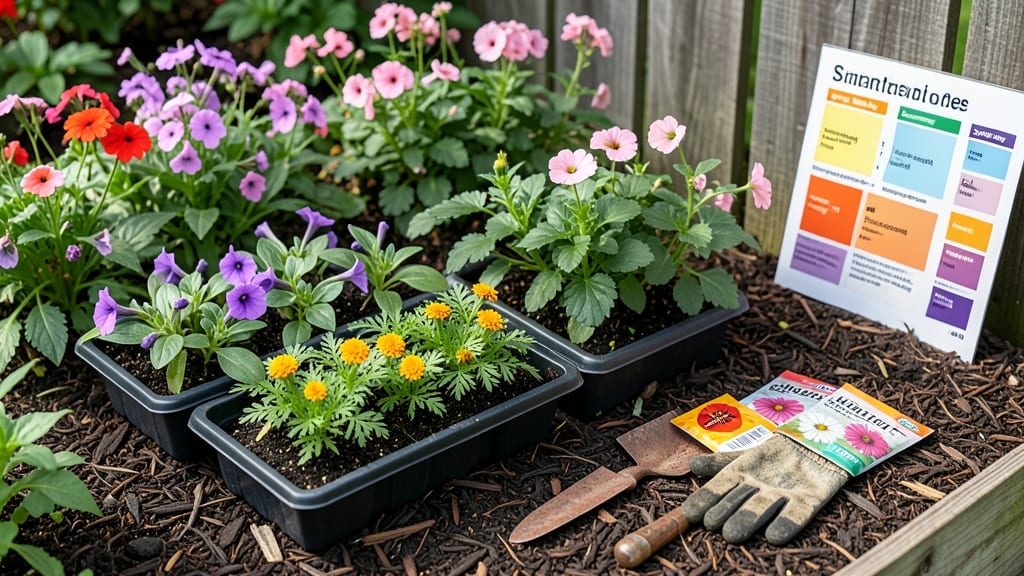
Planting your 🌸 Flowers at the right time in North Carolina can make all the difference between a garden bursting with color and a season of disappointment.
With USDA zones ranging from 6a to 8b, knowing when to get those seeds in the ground—or those bulbs in the soil—means avoiding late frosts and maximizing bloom time.
I’ve learned the hard way that timing isn’t one-size-fits-all here. In the cooler Piedmont regions, you’ll want to start cool-season flowers like pansies as early as February, while coastal areas can wait until March without worrying about frost.
The key? Understanding your local microclimate and last frost dates—because even a few degrees can shift your planting window dramatically.
Whether you’re dreaming of spring azaleas, summer zinnias, or fall mums, this guide breaks down the best months to plant based on your zone—and how to adjust for North Carolina’s quirks, like those sneaky late frosts or urban heat islands.
Let’s get your garden on the right schedule for a season of vibrant blooms.
You’ll discover exactly when to start seeds indoors, when to transplant tender annuals, and how to protect your plants if Mother Nature throws a curveball. Ready to turn your garden into a year-round showstopper? Let’s dive in.
North Carolina’s USDA zones: when to plant flowers by last frost dates
North Carolina spans USDA zones 5b through 8a, creating a diverse planting landscape where timing is everything. The last average frost date shifts dramatically—from late February in Zone 8a to mid-April in Zone 6a.
This variation means your azalea in the mountains may bloom weeks earlier than your petunias on the coast. Understanding these zones helps you avoid frost damage and maximize bloom seasons.
For annual flowers, wait until after your last frost date to plant seeds or seedlings. Perennials and bulbs, however, often thrive when planted in fall or early spring, giving roots time to establish before summer heat.
My daylilies in Zone 7a always perform best when planted in March or September, avoiding the stress of extreme summer temps.
| USDA Zone | Avg. Last Frost | Best Time to Plant Annuals | Best Time for Bulbs/Perennials | Example Flowers |
|---|---|---|---|---|
| 5b (Mountains) | April 15 | Mid-May | September-October | Azaleas, Daylilies, Coneflowers |
| 6a (Piedmont) | April 1 | Late April | October-November | Petunias, Marigolds, Black-Eyed Susans |
| 7a (Coastal) | March 15 | Early March | September-October | Zinnias, Snapdragons, Coreopsis |
| 8a (Southern) | February 15 | Late February | October-November | Geraniums, Salvias, Lantanas |
In Zone 5b, the mountain regions like Asheville experience the latest frosts, often delaying spring planting until mid-May. I’ve learned to start cool-season annuals like pansies indoors in February to get a head start.
For Zone 8a, where winters are mild, you can plant tender annuals like petunias as early as late February, giving them a full summer to thrive.
For perennials, timing matters just as much. In Zone 7a, I plant daylilies in early spring (March) or fall (September) to avoid summer stress. Azaleas, which love acidic soil, do best when planted in fall across all zones, allowing roots to establish before winter dormancy.
My Zone 6a garden’s coneflowers always reward me with vibrant blooms when planted in April.
Bulbs like tulips and daffodils should be planted 6-8 weeks before the first hard frost. In Zone 8a, this means October or November, while Zone 5b gardeners should aim for September.
I’ve found that fall-planted bulbs produce larger, more robust blooms the following spring because they establish roots in cooler weather.
Don’t overlook microclimates within your zone. A south-facing slope may warm up faster than the surrounding area, allowing you to plant tender annuals like marigolds a week or two earlier. Conversely, low-lying areas can experience late frosts, so keep a frost cloth handy for protecting new seedlings.
My Zone 7a garden’s coastal microclimate lets me plant zinnias by March 1st, while inland areas wait until April 15th.
If you’re unsure about your last frost date, check the NC State Climate Office or use a local weather app for real-time updates. I’ve had years where late spring frosts hit as late as May 1st, so I always keep row covers ready.
For container gardening, you can extend your season by moving pots indoors or to a sunroom during cold snaps, giving you 3-4 extra weeks of growing time.
For warm-season annuals like petunias and geraniums, wait until two weeks after your last frost to plant. These heat-loving flowers won’t tolerate cold soil, and planting too early can stunt their growth.
My Zone 6a garden’s petunias always perform best when planted in late April, giving them time to establish before summer’s intensity.
Remember,
Best flowers to plant by season in North Carolina (with zero-frost strategies)
North Carolina’s diverse climate lets you enjoy flowers year-round, but frost dates and seasonal shifts can be tricky. Cool-season bloomers like pansies and snapdragons thrive in early spring and fall, while marigolds and zinnias shine in summer’s heat. The key?
Knowing exactly when to plant and how to protect tender varieties from late frosts. With the right timing and a few smart strategies, you can extend your blooming season from March through November—even in frost-prone zones.
For zero-frost strategies, focus on three core tactics: mulching to insulate roots, using cold frames for delicate plants, and selecting microclimates (like south-facing slopes) that warm up faster. These methods let you plant earlier in spring or later in fall without risking frost damage.
Let’s break down the best flowers for each season—and how to keep them blooming longer.
In Zone 7a (the most common in NC), late spring frosts can still hit in April, so wait until mid-May to plant tender annuals like petunias and geraniums. For Zone 8a (coastal areas), you can plant earlier—even February for winter-blooming pansies—since frost is rare.
Always check your local NC State Extension frost chart for precise dates.
To extend blooms in frost-prone areas, try these tricks: Mulch with straw or leaves to insulate roots, use black plastic mulch to warm soil faster in spring, and place containers near south-facing walls to capture heat.
For container gardening, move pots indoors or under a porch roof during cold snaps. With these strategies, you can enjoy continuous color from early spring to late fall.
Don’t overlook perennials like daylilies and coneflowers, which establish roots in fall for earlier spring blooms. Plant them in September–October and add compost to boost growth.
For bulbs, daffodils and tulips planted in fall will reward you with bold spring color—just be sure to plant them 6 inches deep for frost protection.
With seasonal layering, you can create a nonstop flower show. Start with spring bulbs, follow with cool-season annuals, then transition to summer heat-lovers, and finish with fall bloomers.
Add evergreen shrubs like boxwoods or holly for winter interest. By mixing textures and bloom times, your garden will stay vibrant year-round, even in North Carolina’s unpredictable climate. 🌷