
Flowers
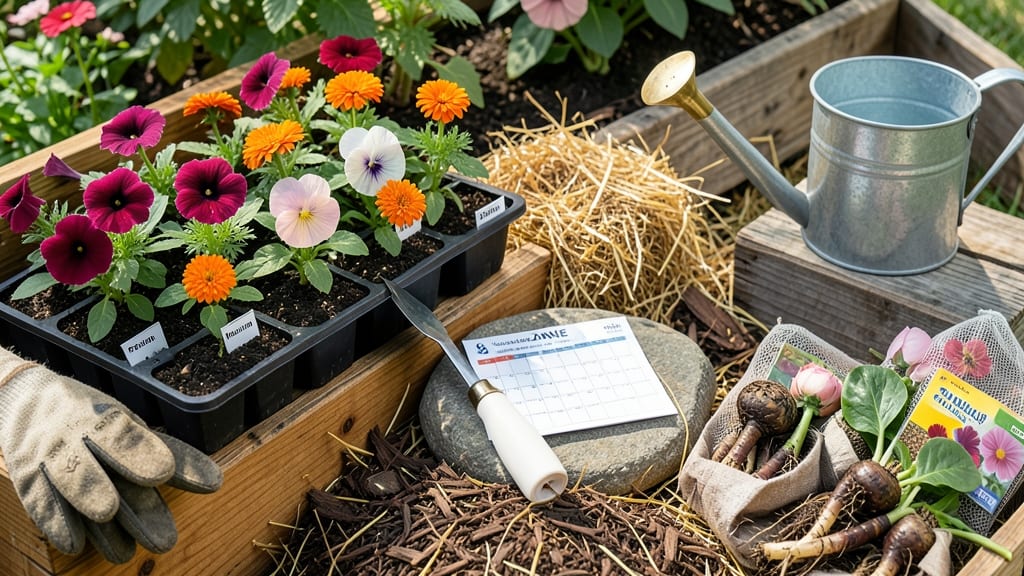
When to plant flowers in Zone 6 could mean the difference between a garden bursting with color and one that barely takes root. The key to success isn't just about waiting for spring—it's about understanding when soil warms, frost risks fade, and your local microclimate plays its part.
I've learned the hard way that planting too early can leave delicate roots vulnerable to late frosts, while waiting too long might stunt growth before summer's peak. Whether you're dreaming of bold blooms from daffodils or vibrant annuals, getting the timing right is your first step to a showstopping garden.
In this guide, I'll break down exactly when to plant flowers in Zone 6—from spring's first warm days to fall's cooler transitions. You'll discover how to adjust for your specific area, protect tender plants, and even extend your blooming season with smart strategies.
Ready to transform your garden into a year-round floral masterpiece? Let's dive into the perfect planting windows that will have your flowers thriving from spring through fall.
Zone 6 flower planting calendar: best months for spring and fall blooms
Timing your flower plantings in Zone 6 can mean the difference between a garden bursting with color and one that struggles to take root.
With last frost dates typically between April 15-30 and first frost dates around October 15-30, you have a narrow window to get flowers in the ground at the right time. Understanding these seasonal shifts helps you choose the perfect moment for annuals, perennials, and bulbs to thrive.
In Zone 6, soil temperature plays a critical role—most flowers prefer soil that's at least 50-60°F before planting. Cool-season flowers like pansies and snapdragons can handle cooler soil, while warm-season favorites such as marigolds and petunias need warmer conditions to establish roots quickly.
Let’s break down the best months for planting each type of flower to maximize your garden’s potential.
| Flower Type | Best Planting Months | Soil Temp Requirement | Notes |
|---|---|---|---|
| Annuals (e.g., Petunias, Marigolds) | May-June | 55-65°F | Wait until after last frost; mulch to retain warmth. |
| Perennials (e.g., Coneflowers, Black-Eyed Susans) | April-May or September | 45-55°F | Spring planting for early blooms; fall planting for established roots. |
| Bulbs (e.g., Tulips, Daffodils) | September-October | 50-60°F | Plant 6-8 weeks before first frost for spring blooms. |
| Cool-Season Annuals (e.g., Pansies, Snapdragons) | March-April or August-September | 40-50°F | Early spring or late summer for fall color. |
| Cold-Hardy Perennials (e.g., Lavender, Russian Sage) | April-May | 45-55°F | Tolerate cooler soil; ideal for early spring planting. |
For spring planting, focus on getting perennials and cool-season annuals in the ground as early as March or April, once the soil is workable. This gives them time to establish roots before the heat of summer arrives.
My go-to for early spring is pansies and violas, which can handle light frosts and add instant color to beds.
If you’re planting warm-season annuals like geraniums or impatiens, wait until after your last frost date, usually mid-to-late May in Zone 6. These flowers thrive in warmer soil and won’t tolerate cold snaps. I always test soil temperature with a thermometer to ensure it’s above 55°F before planting.
Fall planting in Zone 6 is a game-changer for bulbs and perennials. Planting tulips and daffodils in September or October gives them time to root before winter, resulting in earlier and more abundant spring blooms.
For perennials, fall planting reduces stress on the plant, as they establish roots without competing with summer heat.
Don’t overlook microclimates in your garden—south-facing beds warm up faster in spring, while north-facing areas stay cooler longer. Adjust your planting timeline accordingly. For example, I often plant marigolds in my south-facing border in early May, while waiting until late May for the same flowers in a shadier spot.
Extend your planting season by using row covers or cold frames to protect tender plants from unexpected frosts. This is especially useful if you’re planting late-season annuals like cosmos or zinnia in early June.
These covers create a warmer microclimate, allowing you to plant a few weeks earlier or later than the typical window.
Finally, keep an eye on your local weather forecasts and adjust your planting schedule as needed. A late frost can delay spring plantings, while an early warm spell might encourage you to plant warm-season flowers a little sooner.
My rule of thumb? When the forces of nature align with your planting calendar, your garden will thank you with vibrant, long-lasting blooms.
With this Zone 6 planting calendar as your guide, you’ll be well on your way to a garden that blooms beautifully from spring to fall. Happy planting! 🌷
Spring vs fall planting: which strategy works best for your flowers?
Choosing between spring and fall planting in Zone 6 can dramatically impact your flower garden's success. Each season offers unique advantages, from extended bloom times to pest resistance and easier soil prep.
Let's break down the pros and cons so you can decide which strategy aligns best with your favorite flowers and gardening goals.
Spring planting gives you vibrant blooms early in the season, perfect for annuals like pansies and marigolds that thrive in cooler temperatures. However, spring soil can be compacted from winter thaw, requiring extra prep work.
Fall planting, on the other hand, allows flowers like coneflowers and black-eyed Susans to establish strong roots before winter, often resulting in more robust growth the following year.
Spring Planting
Pros
- Early blooms for summer color
- Wider variety of annuals available
- Less competition from weeds early season
Cons
- Compacted soil from winter thaw
- Higher pest pressure as insects emerge
- Requires more watering during dry spells
Fall Planting
Pros
- Established roots before winter
- Reduced pest pressure in cooler months
- Warmer soil for better root growth
Cons
- Limited variety of fall-specific plants
- Potential frost damage to tender species
- Slower initial growth compared to spring
For Zone 6 perennials like daffodils and tulips, fall planting is often the best choice. These bulbs need a period of cold to bloom properly, and planting them in October or November gives them time to root before winter dormancy.
Spring planting works better for tender annuals that can't tolerate frost, such as petunias or geraniums.
Soil preparation makes a big difference in both seasons. In spring, focus on amending compacted soil with compost and aerating if needed. For fall planting, prioritize improving drainage and adding organic matter to help roots establish before winter.
Both strategies require attention to moisture levels—spring plants need consistent watering, while fall-planted flowers should be watered thoroughly before the ground freezes.
Consider your garden's microclimate when choosing a strategy. Sheltered areas may stay warmer in spring, while exposed spots benefit from fall's gradual temperature drop.
For example, pansies can handle light frost and often thrive when planted in late summer or early fall, while cosmos and zinnias prefer the warmth of spring planting for maximum blooms.
My personal approach combines both strategies: I plant spring-blooming bulbs like crocuses in fall for early color, then fill in with annuals in spring. For perennials, I often divide and transplant in early fall to give them a head start.
Experiment with both methods to see which works best for your specific Zone 6 conditions and favorite flowers!