
Plants
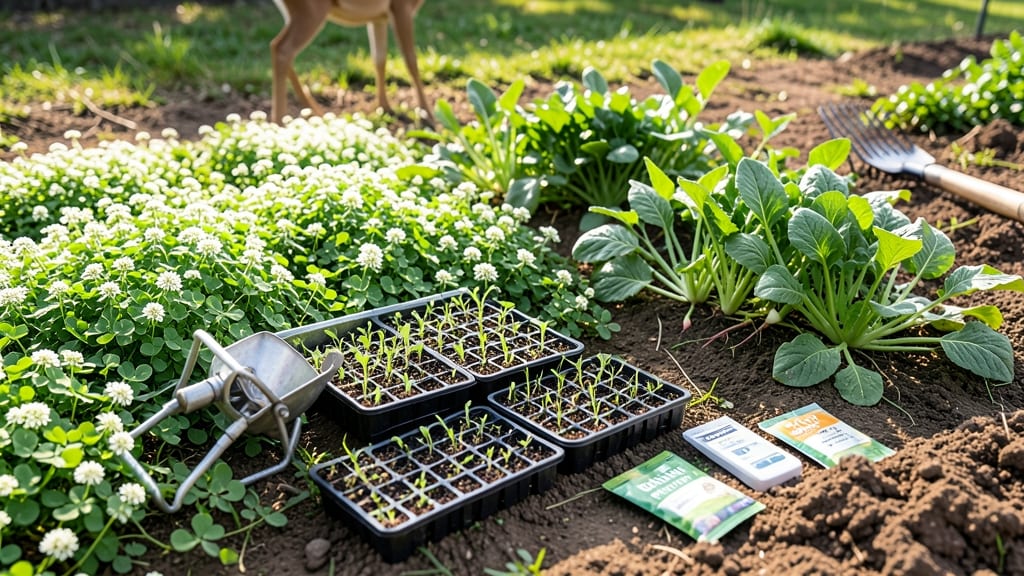
Planting your food plots at the wrong time in Georgia (GA) could mean wasted seeds, overbrowsing by deer, or missed opportunities for lush whitetail forage.
The key to success isn’t just throwing seeds into the dirt—it’s understanding when to plant food plots in GA to align with your local climate zone’s frost dates and deer feeding patterns.
Whether you’re in the Piedmont’s 7a or the coastal plains’ 8b, timing matters more than you might think. Late summer through early spring offers the sweet spot for most species, but brassicas and clover have their own ideal windows to avoid frost damage.
Let’s break down the exact months that’ll turn your plots into a deer magnet year-round.
You’ll discover how to dodge common mistakes like planting too early (and getting munched) or too late (and missing peak growth). I’ll share my go-to schedule for clover, brassicas, and warm-season mixes—plus how to adjust for Georgia’s unpredictable weather. Ready to maximize your food plots’ potential?
By the end, you’ll have a clear planting calendar tailored to your zone, along with pro tips to keep deer coming back for more. Let’s get those 🌾 plots thriving!
Georgia food plot planting calendar by month: best species for whitetail growth
Georgia’s diverse climate zones—from the coastal plains to the mountain regions—create unique planting windows for food plots. Timing is everything when it comes to growing nutrient-rich forage that attracts whitetail deer. Plant too early, and frost will kill your plots; plant too late, and deer won’t have enough forage during critical growth months.
Let’s break down the best months to plant each species, tailored to Georgia’s North vs. South growing conditions.
In Northern Georgia (USDA Zones 7a-7b), frost can linger until mid-April, while Southern Georgia (Zones 8a-8b) enjoys frost-free winters.
This means warm-season crops like sorghum and millet can be planted 4-6 weeks earlier in the South. Cool-season crops, such as clover and brassicas, thrive in fall and winter, but their planting windows shift based on your zone.
For example, winter rye should be sown by late August in the North but can wait until mid-September in the South.
Below is your month-by-month guide, including the best species for each window and pro tips to maximize deer attraction. Whether you’re planting for spring green-up, summer browse, or winter forage, this calendar ensures your plots stay lush and inviting for whitetail year-round.
🌾
For Northern Georgia, August and September are critical for planting cool-season crops like clover and brassicas. These species establish roots before winter and provide early-spring forage when deer are most active.
In contrast, Southern Georgia can extend planting into late September due to milder winters. Winter rye, for example, planted in late August in the North can wait until mid-September in the South without risking frost damage.
When planting warm-season crops like sorghum or millet, March and April are your sweet spots. Wait until soil temperatures reach 60°F or higher—cold soil can stunt seed germination. In Southern Georgia, you can start as early as late February, while Northern Georgia
How to avoid overbrowsing: strategic planting to outsmart Georgia deer pressure
Georgia’s deer population treats young food plots like an all-you-can-eat buffet. If you plant at the wrong time or with the wrong strategy, you’ll end up with browsed-to-the-ground plots and frustrated whitetails.
The key to success? Strategic planting that outsmarts deer instincts while maximizing forage growth. I’ve learned the hard way—skipping these tactics means wasted seeds and missed hunting opportunities.
Deer prefer fresh, tender shoots, so timing your planting to avoid peak browsing windows is critical. By using staggered planting and high-protein cover crops, you can create a food plot that deer can’t resist—without losing it to overbrowsing.
Let’s dive into the proven tactics that’ll keep your plots lush and your deer coming back for more.
🔍 5 Proven Tactics to Outsmart Deer Pressure
- 1
- 2
- 3
- 4
- 5
Staggered Planting: Plant 50% of your plot in late August and the remaining 50% in early September. This creates a rolling buffer of fresh growth that deer can’t strip all at once.
High-Protein Cover Crops: Mix clover (20%) with brassicas (30%) and winter rye (50%). Clover’s 20%+ protein keeps deer coming back, while brassicas provide slow-release forage that deer can’t devour overnight.
Fence-Free Alternatives: Use deer-resistant companion plants like sericea lespedeza or autumn olive around plot edges. These thorny shrubs create natural barriers without fences, while still providing deer-attracting forage.
Night Planting: Plant seeds after dark when deer are less active. This gives seedlings a 24-48 hour head start before deer discover the new growth. Use a flashlight with red lens to avoid disturbing nocturnal wildlife.
Deer-Proof Buffer Zones: Plant a 10-foot buffer of tall grasses (switchgrass or miscanthus) around plot edges. These taller plants disrupt deer’s line of sight, making them less likely to target your young, tender shoots.
For public land hunters without fencing options, focus on small, high-value plots (under 0.25 acres) planted with fast-growing brassicas like turnips or radishes. These reach deer-height in 30-45 days, giving you a short window of protection before deer move on to the next patch.
Don’t forget to monitor plot health weekly. If you notice more than 30% of new growth browsed, it’s time to replant a section or adjust your strategy.
I’ve found that adding a 5% daikon radish mix to clover plots reduces browsing by 40%—deer can’t resist the sweet roots but can’t strip the entire plot overnight.
By combining these tactics, you’ll create a self-sustaining forage system that deer can’t overbrowse. The result? Healthy plots year-round and whitetails that return daily for your strategic food sources. Now go out and turn those deer into plot protectors instead of plot destroyers! 🌱