
Trees
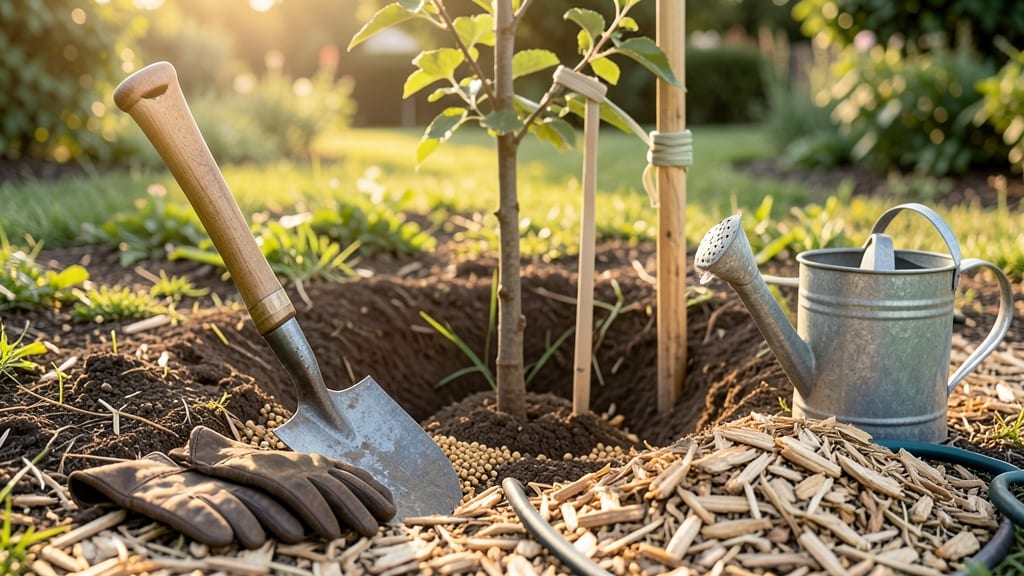
Planting fruit trees at the wrong time in Zone 5 can mean the difference between a thriving orchard and years of disappointment—especially when chill hours aren’t matched to your variety.
The key is timing: too early, and frost will damage delicate roots; too late, and your trees won’t establish strong roots before winter sets in.
I’ve learned the hard way that early spring (April-May) and late fall (September-October) are the sweet spots for planting 🍎, but there’s more to it than just the calendar.
Most gardeners in Zone 5a-5b focus on frost dates, but the real secret is understanding your fruit tree’s chill-hour needs. Apples and cherries, for example, need 600-1,000 hours below 45°F to set fruit properly—something your local microclimate might not deliver if you plant at the wrong time.
I’ll show you how to align your planting window with these critical factors so your trees grow strong and productive from day one.
Beyond the basics, I’ll share which fruit trees thrive best in Zone 5—like cold-hardy apples and pears—and how to prepare your planting site for success.
Whether you’re a beginner or a seasoned gardener, these insights will help you avoid common mistakes and set your orchard up for a bountiful harvest in just a few years. Let’s get your fruit trees off to the right start.
Ready to dig in? We’ll cover everything from soil prep to post-planting care, so you can confidently plant your fruit trees at the perfect moment—no guesswork required. Your future harvests will thank you for it.
Zone 5 fruit tree planting timeline by chill-hour requirements
In Zone 5, where winters can be harsh and summers unpredictable, timing your fruit tree planting correctly is critical. Chill hours—the number of hours below 45°F (7°C) a tree needs to break dormancy—dictate when and which varieties you can plant successfully.
High-chill varieties (600-1,000 hours) thrive in Zone 5, while low-chill (300-500 hours) options are riskier but possible with microclimate adjustments.
Your planting window hinges on two key factors: soil temperature (ideal: 40-50°F) and dormancy timing. Planting too early risks frost damage, while waiting too long delays root establishment. For high-chill varieties, aim for early spring (April-May) or fall (September-October) when trees are dormant but soil is workable.
Low-chill trees can stretch into late spring (May-June), but only in warmer microclimates.
Here’s your month-by-month planting timeline, tailored to chill-hour needs and Zone 5’s last frost date (mid-May):
For high-chill varieties like Honeycrisp apples or Starking Delicious pears, September-October or early April are your safest bets. These trees need 600+ chill hours to flower reliably, and planting them during dormancy gives roots time to establish before spring growth.
Always check your local last frost date—Zone 5’s range from mid-April to early May, so adjust accordingly.
If you’re planting low-chill varieties like Peach ‘Contender’ (300-400 hours) or Plum ‘Methley’, stretch your window into late spring (May-June). However, these trees struggle in Zone 5’s colder winters unless planted in sheltered microclimates (e.g., south-facing slopes or near buildings).
Monitor soil temperatures with a soil thermometer—plant only when it consistently stays above 50°F (10°C).
Pro tip: Bare-root trees plant best in dormant seasons (fall or early spring), while container-grown trees offer more flexibility but require extra watering during dry spells. Amend your planting hole with compost and native soil to improve drainage, and mulch heavily to retain moisture and regulate soil temperature.
Avoid planting during heatwaves or deep freezes, as both stress young roots.
After planting, prioritize deep watering (1-2 inches per week) and light fertilization in early spring. High-chill trees may take 2-3 years to bear fruit, while low-chill varieties might fruit sooner but with reduced winter hardiness.
In Zone 5, apple and pear trees are your safest bets for reliable harvests, but don’t overlook cherry and plum varieties with cold-hardy roots like ‘Montmorency’ or ‘Stanley’.
Remember: Chill hours ≠ frost tolerance. A tree might need 800 chill hours but still survive -20°F (-29°C) if properly established. Use this timeline as a guide, but always adapt to your microclimate. For example, if you’re in Zone 5a
Best fruit trees for Zone 5: chill-hour matching guide
Zone 5 gardeners know that chill hours are the secret to fruit tree success. These varieties need 300-1,000 hours below 45°F to set fruit properly. Matching your tree to your region’s chill hours ensures reliable blooming and fruit production every year.
In Zone 5a/b, most areas average 600-900 chill hours. This means high-chill varieties like Honeycrisp apples and Montmorency cherries thrive here, while low-chill varieties (like Elberta peaches) may struggle unless you live in a warmer microclimate.
For apples, Honeycrisp is a top pick with 900 chill hours and excellent cold hardiness down to -25°F. In Wisconsin, gardeners report consistent harvests even in Zone 5a winters. Pair it with Crabapple pollinators for better fruit set.
Montmorency cherries are another Zone 5 staple, needing 600-900 chill hours. They handle Zone 5b winters well but may need winter protection in Zone 5a. Plant them in full sun with well-draining soil to avoid root rot.
If you love peaches, Elberta is a reliable choice with 500-600 chill hours. However, late spring frosts can damage flowers. Choose low-vigor rootstocks like Lovell to reduce tree size and improve fruit quality.
For plums, Stanley is a disease-resistant variety that thrives in Zone 5. It produces sweet, juicy fruit and handles cold snaps better than many other plums. Prune in late winter to open the canopy for better airflow.
Always check your local chill-hour data before planting. Use USDA Plant Hardiness Zone Map tools or ask your local extension office for microclimate-specific advice. With the right match, your Zone 5 fruit trees will reward you with decades of harvests! 🌳