
Planting
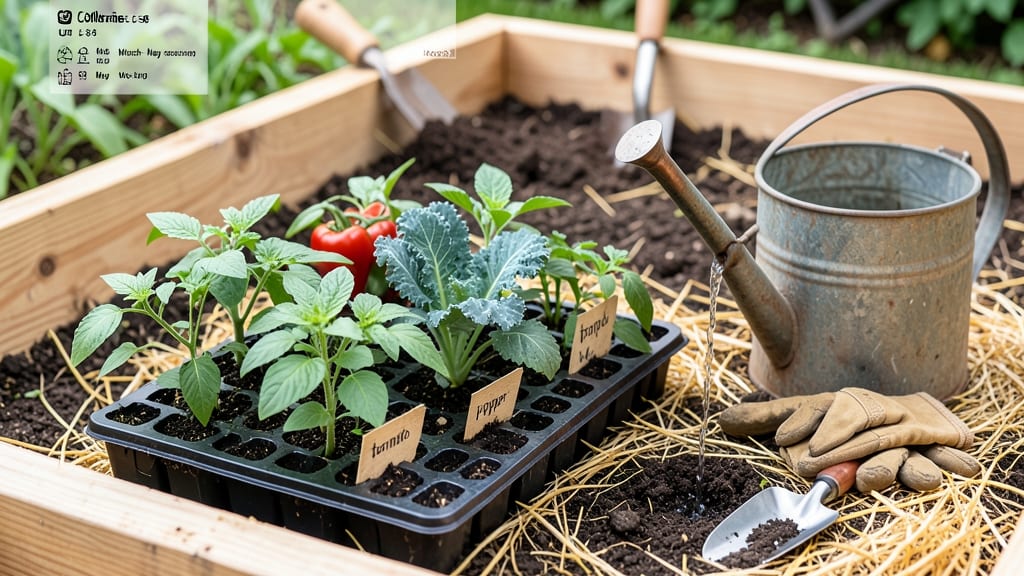
Timing your Colorado garden just right means the difference between a bountiful harvest and wasted effort—plant too early, and a late frost can wipe out weeks of work.
The Front Range’s unpredictable weather demands precision, especially when you’re dealing with USDA zones 4–7 and elevation shifts that can change frost dates by weeks.
I’ve spent years learning the hard way: skipping the last frost dates for my zone meant losing entire crops to unexpected cold snaps.
Whether you’re in Denver, Boulder, or the Western Slope, knowing when to plant isn’t just about the calendar—it’s about understanding how elevation and microclimates reshape your growing season.
What you’ll discover here are the exact windows for cool-season crops like lettuce and potatoes, plus how to stretch your season with smart tricks for high-altitude gardens. No more guessing—just proven strategies to make the most of Colorado’s short but sweet growing months.
Ready to turn your garden dreams into reality? Let’s dive into the frost dates, planting schedules, and local hacks that’ll have your 🌱 thriving like never before.
Colorado’s frost dates by elevation zone: what you must know
Colorado’s diverse elevation zones mean frost dates vary dramatically—from 3,500 feet in Denver to over 10,000 feet in mountain valleys. These differences determine when to plant cool-season crops like spinach or warm-season staples like tomatoes. Getting it wrong can mean lost harvests or damaged seedlings.
Most Colorado gardens fall into USDA Zones 4–7, but microclimates—like urban heat islands or sheltered valleys—can shift frost dates by 2–4 weeks. For example, Boulder’s foothills often warm earlier than downtown Denver due to less urban heat retention.
Below is a zone-by-zone breakdown of average last spring frost and first fall frost dates, with adjustments for high-altitude areas. Use these as guidelines, but monitor local forecasts—unpredictable mountain weather can throw off timelines.
| Elevation Zone | Avg. Last Spring Frost | Avg. First Fall Frost | USDA Zone | Notes |
|---|---|---|---|---|
| Front Range (3,500–5,000 ft) | April 15–May 1 | September 20–October 5 | 5b–6a | Denver, Fort Collins, Colorado Springs |
| Western Slope (4,500–6,500 ft) | May 1–May 15 | September 10–September 25 | 6a–7a | Grand Junction, Durango (lower valleys) |
| Mountain Regions (6,500–9,000 ft) | May 15–June 1 | August 20–September 10 | 4b–5a | Eagle Valley, Summit County |
| High Peaks (9,000+ ft) | June 1–July 1 | July 15–August 15 | 3b–4a | Leadville, Telluride (short season) |
In the Front Range, where most home gardens thrive, cool-season crops like broccoli and peas can go in as early as March 15 if you use row covers. Wait until after May 1 for tomatoes and peppers, as earlier plantings risk late spring frosts.
On the Western Slope, warmer days and cooler nights create a longer growing season. Plant warm-season crops like squash and corn 2–3 weeks earlier than the Front Range, but watch for afternoon heat stress in July.
At high elevations (7,000+ ft), focus on fast-maturing varieties and cold-hardy plants. Potatoes and kale often survive light frosts, while melons and cucumbers struggle above 6,500 feet. Extend your season with cold frames or greenhouses.
Microclimates matter! A south-facing slope in Boulder might warm 1–2 weeks earlier than a north-facing yard in Denver. Use local weather stations (like MesoWest) to track real-time conditions.
For fall planting, aim to harvest cool-season crops before the first frost. In Zone 5b, that means kale and spinach planted by August 1 will be ready before October 5. In Zone 7a, you can push it to September 15.
Pro tip: Hardening off seedlings is critical in Colorado’s variable spring weather. Acclimate plants to outdoor temps 1–2 weeks before transplanting, especially in high-altitude zones where temperature swings are extreme.
Always cross-check with Colorado State University Extension or local CoCoRaHS stations for hyper-local data. Your neighbor’s garden might thrive on a different schedule than yours!
Best planting times for common vegetables in Colorado gardens
Colorado’s high-altitude gardens demand precise timing—planting too early risks frost damage, while waiting too long shortens harvests. The key lies in understanding your elevation zone, as 5,000 ft gardens have longer growing seasons than 7,000+ ft mountain plots.
For example, Denver’s last spring frost averages April 15-30, while Steamboat Springs may not see frost-free soil until May 15-30. Let’s break down the best windows for your favorite vegetables.
Start with cold-hardy crops like lettuce and peas—they thrive in Colorado’s cool springs. These can go in as early as March-April in lower elevations, while 6,000+ ft gardens should wait until April-May.
Heat-lovers like tomatoes and peppers, however, need soil temperatures above 60°F, which typically arrives in May-June depending on your zone. Potatoes are unique—they go in early but need consistent warmth to mature.
🌱 Colorado Planting Timeline by Elevation
- 🌱 March-April (5,000 ft): Peas, spinach, lettuce, potatoes (early varieties)
- 🌱 April-May (5,000-6,000 ft): Broccoli, cabbage, carrots, radishes, onions
- 🌱 May-June (all elevations): Tomatoes, peppers, cucumbers, beans, corn
- 🌱 June-July (5,000 ft): Fall crops (kale, Swiss chard) for late harvests
- 🌱 July-August (6,000+ ft): Fast-growing greens for fall gardens
For tomatoes and peppers, wait until after your last frost date—these heat-lovers struggle with Colorado’s unpredictable spring nights. Start seeds indoors 6-8 weeks before transplanting to give them a head start.
In Denver (5,280 ft), transplant outdoors around May 15-30, while Grand Junction (4,450 ft) can push it to April 15-30. Use row covers if nighttime temps dip below 50°F.
Lettuce and leafy greens are your best bet for spring planting—they tolerate light frosts and even thrive in 40-50°F soil. In high-altitude gardens (6,000+ ft), plant succession crops every 2-3 weeks from April through July to avoid bolting. For fall harvests, sow seeds in July-August for a second crop before winter sets in. Always choose cold-hardy varieties like ‘Winter Density’ lettuce or ‘Black Seeded Simpson’ spinach.
Potatoes are a Colorado staple, but timing is critical. Plant seed potatoes as soon as soil reaches 45°F—typically March-April in lower elevations and April-May above 6,000 ft. Use early-maturing varieties like ‘Yukon Gold’ or ‘Red Pontiac’ to avoid blight from summer rains.
Hill soil around stems as they grow to prevent greening. For longer harvest windows, plant a second crop in June-July for a fall harvest.
Don’t forget succession planting—it’s your secret weapon for maximizing Colorado’s short growing season. For example, after harvesting early peas in May-June, replant the space with bush beans or cucumbers. Similarly, pull up radishes in 30 days and replace them with lettuce or carrots.
This keeps your garden productive from spring to fall, even in high-altitude zones where summers are brief.