
Planting
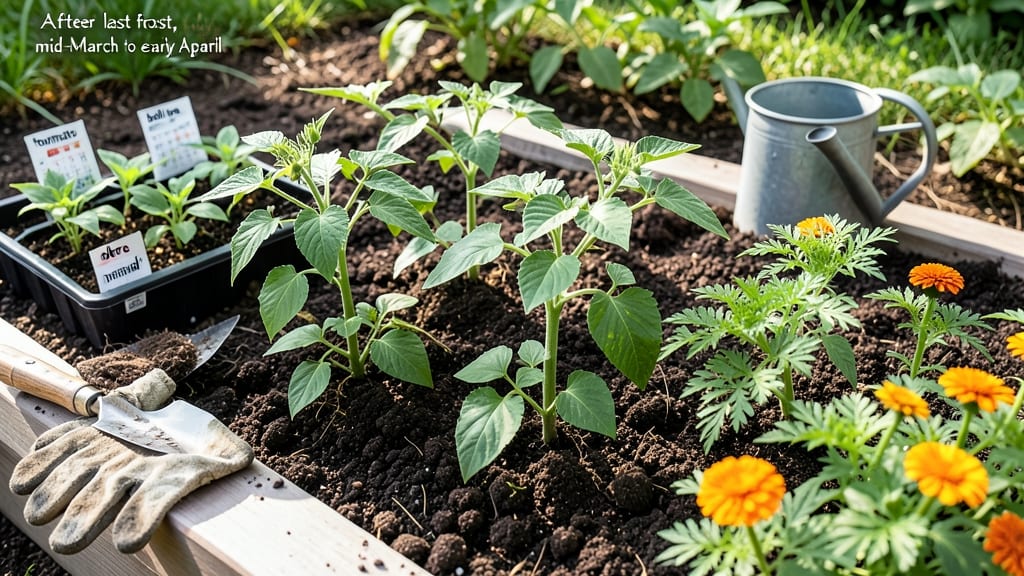
Planting a garden in Florida isn’t just about grabbing seeds and digging in—timing is everything to avoid wilting plants or wasted effort.
With 240-365 frost-free days, Florida’s climate lets you grow year-round, but knowing the best months for each crop can mean the difference between a thriving 🌱 harvest and a sad, sunburned disappointment.
Whether you're in the cooler 8a zones of North Florida or the balmy 11 regions of the Keys, the right planting schedule depends on your microclimate.
Cool-season crops like lettuce and broccoli love the mild winters, while tomatoes and peppers need the heat of summer—but plant them too early, and they’ll bolt before you even get a taste.
I’ve spent years testing what works in Florida’s heat and humidity, and I’ll break down the exact months to plant everything from vegetables to herbs, plus how to stretch your growing season with smart tricks. No more guessing—just a foolproof plan for your region.
Ready to turn your garden into a year-round powerhouse? Let’s dive into the perfect planting calendar for Florida’s unique growing conditions.
Florida planting calendar by microclimate: best months for vegetables, flowers & herbs
Florida’s 10 distinct microclimates create unique planting opportunities across North, Central, and South regions. Unlike northern states, most Florida gardeners never face frost, but heat stress and humidity spikes still dictate ideal planting windows.
For example, Apalachicola in the panhandle has cooler winters than Miami, where tropical plants thrive year-round. Understanding these differences ensures your tomatoes, okra, and basil grow strong without bolting or wilting.
In North Florida (USDA Zones 8a-9a), cooler winters allow cool-season crops like broccoli and spinach to thrive from September to March.
Meanwhile, Central Florida (Zones 9b-10a) can grow warm-season crops like peppers and eggplants year-round with minimal protection. South Florida (Zones 10b-11) pushes limits further, enabling tropical fruits like mangoes and avocados to produce continuously. Even so, staggered planting prevents pests and maximizes yields.
| Region | Best Planting Months | Cool-Season Crops | Warm-Season Crops | Year-Round Options |
|---|---|---|---|---|
| North Florida | Sep-Mar (cool), Mar-Jun (warm) | Lettuce, Kale, Carrots | Okra, Sweet Potatoes, Peppers | Herbs (Basil, Cilantro) |
| Central Florida | Oct-Apr (cool), Feb-Jul (warm) | Spinach, Broccoli, Radishes | Tomatoes, Eggplants, Cucumbers | Peppers, Green Onions |
| South Florida | Year-round (staggered) | None (use shade cloth) | Mangoes, Avocados, Bananas | Sweet Potatoes, Okra |
For North Florida, I recommend starting cool-season crops like lettuce and carrots in September to avoid summer heat. By March, transition to warm-season staples such as okra and sweet potatoes, which thrive in 80°F+ temperatures.
In Central Florida, you can extend cool-season planting into April with shade cloth, while warm-season crops like tomatoes should go in by February to beat peak summer humidity.
South Florida gardeners enjoy the most flexibility, but even here, heat-tolerant varieties are key. Plant mango trees and avocados year-round, but stagger seedlings every 6 weeks to ensure continuous harvests.
For vegetables like cucumbers, use shade cloth (30-50%) during June-August to prevent bolting. Herbs like basil can be grown year-round but may need afternoon shade in Miami’s 90°F+ afternoons.
Don’t overlook herbs—they’re Florida’s unsung heroes. Cilantro bolts in heat, so plant it in fall or winter in North Florida, while basil thrives in Central and South Florida year-round. Rosemary and thyme, drought-resistant perennials, handle South Florida’s dry seasons with ease.
For flowers, marigolds and zinnias bloom continuously if deadheaded regularly, making them perfect for year-round color.
One common mistake? Planting heat-sensitive crops like spinach in July. Instead, opt for shade-tolerant greens such as Swiss chard or malabar spinach, which handle 90°F+ temps better.
Another tip: Mulch heavily in summer to retain moisture and cool roots. Organic mulch like pine straw also suppresses weeds, a major issue in Florida’s humid climate.
Hurricane season (June–November) adds another layer of planning. Avoid transplanting seedlings during this window—instead, direct-sow seeds or use container gardens that can be moved indoors. Windbreaks made of bamboo or shrubs protect delicate plants like tomatoes and peppers from storm damage.
For tropical plants, prune them before storms to reduce wind resistance.
Finally, adjust your watering schedule by region. North Florida may need deep watering every 5-7
Critical planting mistakes in Florida gardens (and how to avoid them)
Florida’s year-round growing season might seem like a gardener’s dream, but timing still plays a crucial role in success. Many gardeners make the mistake of assuming all crops thrive equally under Florida’s warm temperatures.
In reality, heat-sensitive plants like lettuce or peas can bolt in summer, while tropical plants may struggle in cooler months. The key is understanding your microclimate zone and adjusting planting schedules accordingly.
Another common error is ignoring the state’s hurricane season timing, which runs from June through November. Planting delicate seedlings during this period risks damage from storms. Even established plants can suffer from soil compaction or root disruption after heavy rains.
Many gardeners also overlook the importance of soil moisture management, assuming Florida’s humidity provides enough water when it doesn’t.
⚠️ High-Risk Planting Periods in Florida
June–October: Hurricane season peaks with storm risks and soil erosion. Avoid planting delicate seedlings or transplanting established plants during this window. Use shade cloth (30-50%) for heat-sensitive crops planted in summer months.
November–February: While cooler, sudden cold fronts can damage tropical plants. Stagger plantings to ensure continuous harvests and use row covers for frost-tender crops in North Florida.
Pro Tip: Schedule warm-season crops (tomatoes, peppers) for March–May and cool-season crops (broccoli, spinach) for September–November to align with natural temperature shifts.
One of the biggest mistakes I see is planting heat-sensitive crops like leafy greens or carrots during peak summer months. These vegetables thrive in cooler temperatures (60–75°F) and will quickly bolt or develop bitter flavors when exposed to 90°F+ heat.
Instead, opt for heat-tolerant varieties like Malabar spinach or Swiss chard, or grow these crops in shaded raised beds during summer.
Florida’s sandy soil drains quickly, leading many gardeners to overwater their plants. While it’s true that deep watering is essential, frequent shallow watering encourages shallow root systems and increases the risk of fungal diseases.
Aim for 1–2 inches of water per week, delivered early in the morning to reduce evaporation and fungal spores. Use drip irrigation or soaker hoses to target the root zone directly.
Another overlooked factor is staggered planting. Many gardeners plant all their seeds at once, leading to a glut of harvests they can’t manage. Instead, plant successive crops every 2–3 weeks to ensure a steady supply.
For example, sow bush beans every 10 days from March through August to enjoy fresh pods all season. This technique also reduces the risk of pest outbreaks by preventing monoculture conditions.
Finally, don’t underestimate the power of mulching. A thick layer of organic mulch (2–4 inches) helps retain soil moisture, regulates temperature, and suppresses weeds. In Florida’s hot, humid climate, mulch is especially valuable for protecting plants from heat stress and soil-borne diseases.
Use materials like pine straw or composted leaves, and keep mulch a few inches away from plant stems to prevent rot.