
Planting
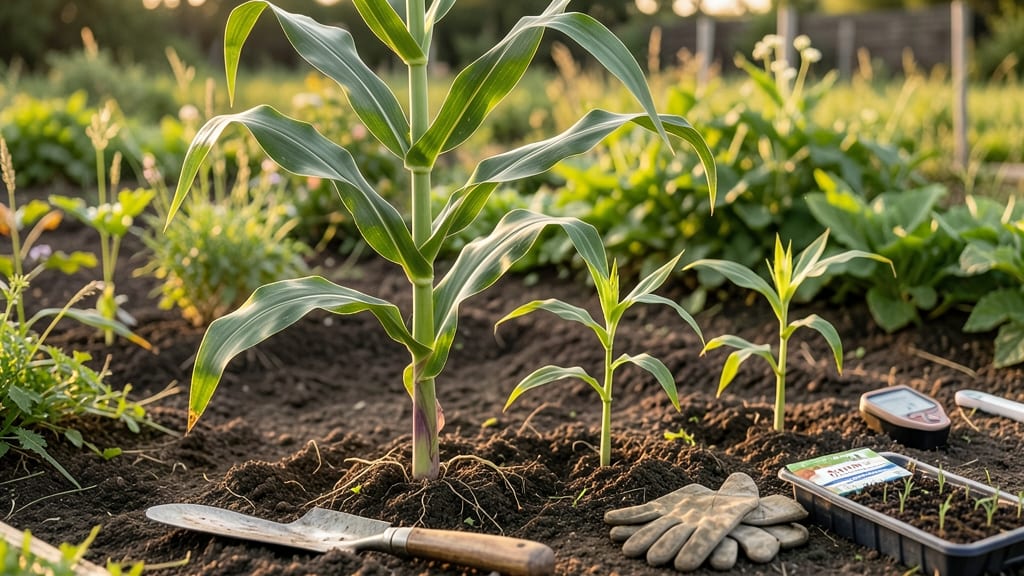
Planting your garden in Iowa at the wrong time can mean the difference between a bumper crop and a sad, frost-nipped disappointment—and with USDA Zones 5a-6b throwing curveballs every year, timing is everything.
Whether you're dreaming of juicy tomatoes or vibrant perennials, getting those seeds in the ground too early or too late can leave you scrambling.
Iowa’s average last frost date hovers around mid-April, but that doesn’t mean you should rush out with your trowel just yet. The key is waiting until the soil warms to at least 50°F—a rule that keeps your 🌱 General Garden Plants thriving instead of wilting.
Too soon, and a late frost will turn your hard work into confetti.
But here’s the good news: with the right strategy, you can stretch your growing season to squeeze in two full harvests—one in spring and another in fall. I’ll break down the exact windows for cool-season crops, warm-season staples, and perennials so you never miss a beat.
Ready to turn your garden into a high-yielding powerhouse? Let’s dive into the perfect planting schedule for Iowa’s climate, so you can enjoy fresh produce from your plot all season long.
Iowa planting calendar by season: exact dates for vegetables, flowers, and herbs
Iowa’s USDA Zones 5a-6b offer a 150–180-day growing season, but timing is everything. The average last frost hovers around May 10–20, while the first frost typically arrives October 15.
To maximize yields, align your planting with these critical windows—whether you're sowing cool-season crops in spring or warm-season staples in summer.
For cool-season vegetables like spinach, peas, and kale, start seeds indoors 4–6 weeks before the last frost or direct-sow as early as mid-March under row covers. Warm-season crops, including tomatoes, peppers, and corn, need soil temperatures above 50°F and should go in after May 20—or risk stunted growth from lingering cold.
Here’s your seasonal planting guide with exact dates for Iowa’s most popular crops, organized by season:
In spring, prioritize hardy crops like radishes (30 days to harvest) and peas (60 days) for early success. For tomatoes and peppers, which need 70–90 days to mature, wait until after May 20—unless you’re using row covers to extend the season.
Don’t overlook fall planting, which can yield bountiful harvests of kale, carrots, and spinach. Start seeds late July to early August for a September–October harvest before the first frost. Herbs like cilantro thrive in cooler temps and can be sown until mid-September.
For perennials, plant spring-bloomers (e.g., daylilies, coneflowers) in April–May and fall-bloomers (e.g., chrysanthemums, asters) in August–September. This gives roots time to establish before winter dormancy.
Pro tip: Use Iowa State University’s frost date maps to refine your schedule. Zone 5a areas (northwest Iowa) may need to wait 1–2 weeks longer than Zone 6b (southeast Iowa) for safe planting. Adjust for microclimates, like urban heat islands or sheltered garden beds.
By following this seasonal calendar, you’ll avoid frost damage, stunted growth, and missed harvests—ensuring a productive garden from spring to fall. 🌱
How to adjust planting times for Iowa’s microclimates and frost risks
Iowa’s late spring frosts can devastate tender seedlings overnight, but strategic adjustments let you beat the odds. The state’s USDA Zones 5-6 average last frosts between May 5–20, with northern areas facing higher risks.
Microclimates—like south-facing slopes or urban heat islands—can shift frost dates by 1–2 weeks, giving you flexibility to extend seasons.
Your first defense is cold-hardy varieties like spinach, peas, and kale, which tolerate light frosts. Pair these with row covers (floating fabric) to protect seedlings until soil warms consistently to 50°F.
For warm-season crops like tomatoes and peppers, wait until after May 15 in Zone 5 or after May 1 in Zone 6, but use black plastic mulch to warm soil faster.
⚠️ callout-warning ⚠️
Don’t rush planting after a 3-day warm spell—Iowa’s average last frost can return anytime until May 20 in Zone 5. Use frost-sensitive plants (like tomatoes) as your frost gauge: if they survive 2 nights at 32°F, you’re likely safe. For extra protection, harden off seedlings for 7–10 days before transplanting to toughen cell walls against temperature swings.
🌱 Pro Tip: Plant cold-hardy crops first (e.g., lettuce, radishes) to test soil temps—if they thrive, warm-season plants are safer to add.
Hardening off is non-negotiable for seedlings grown indoors. Gradually expose them to outdoor conditions over 1–2 weeks, starting with 2 hours of shade and increasing daily. By day 7, they should handle full sun and 40°F nights.
This mimics Iowa’s temperature fluctuations, reducing transplant shock when you finally plant after the last frost.
For fall planting, aim to sow cool-season crops (like broccoli and carrots) by July 15 in Zone 5. Use row covers again to extend harvests into October or November, especially in sheltered microclimates.
Monitor first frost dates (typically October 15) and prioritize fast-maturing varieties like bush beans (ready in 50 days) over slower growers.
Microclimates play a huge role—urban areas often warm 2–3°F faster than rural farms, while low-lying spots hold frost longer. Plant heat-loving crops (e.g., squash, corn) near south-facing fences or buildings to create a micro-warmth zone.
Conversely, shade-tolerant greens thrive under trees or pergolas, where temps stay cooler.
Finally, succession planting is your secret weapon. Instead of one big tomato planting in May, stagger 3–4 batches every 2 weeks to ensure continuous harvests. This spreads risk if an unexpected frost hits one batch.
Pair this with soil thermometers ($15 at garden centers) to track 50°F+ soil temps—the real trigger for safe planting.