
Planting
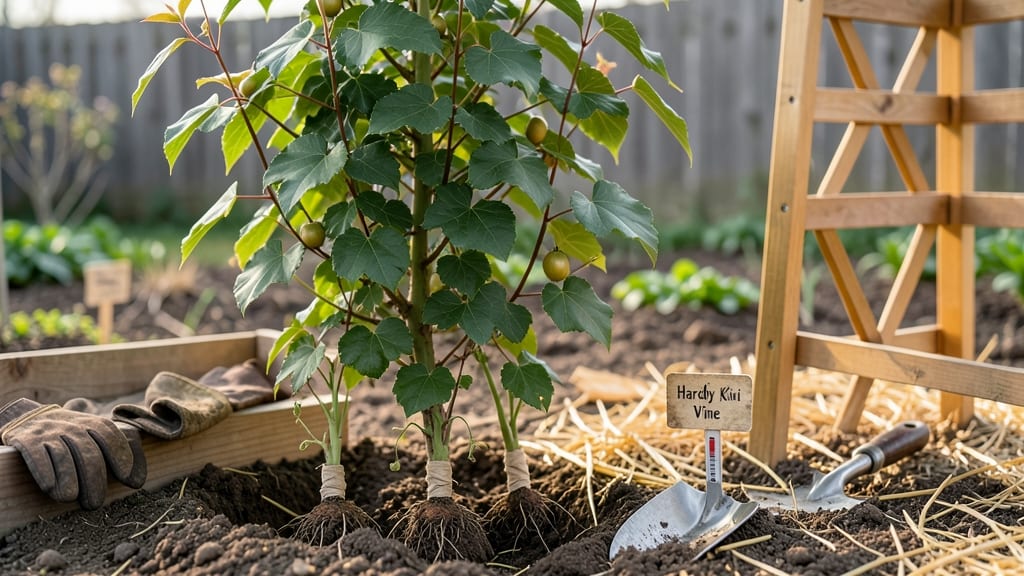
Planting your garden in Minnesota at the right time isn’t just about waiting for the calendar to say "spring"—it’s about catching that perfect soil temperature window that turns seeds into thriving 🌱 plants instead of sad, stunted failures.
I’ve learned the hard way that rushing seeds into cold soil (below 50°F) is a recipe for disappointment, especially in USDA Zones 4a-5a where frost can linger well into May.
But timing it just right—whether you’re sowing cool-season crops in early spring or heat-loving veggies in late summer—can mean the difference between a bountiful harvest and a patchy garden bed.
In this guide, I’ll break down the exact soil temperature triggers you need to know, month by month, so you can plant with confidence. No more guessing games or wasted seeds—just fast germination and plants that take off like a rocket.
From extending your growing season with row covers to spotting false springs before they trick you, you’ll get the insider tips Minnesota gardeners swear by. Let’s get those seeds in the ground the right way—once and for good.
Minnesota planting zones & soil temperature guides by month
Minnesota’s USDA Zones 3–5 create unique challenges for gardeners, where soil temperature often dictates success more than air temperature. Most cool-season crops thrive when soil reaches 40°F–50°F, while warm-season plants need 60°F–70°F+ to germinate properly. Understanding these triggers helps you avoid frost delays and maximize your harvest window.
Southern Minnesota (Zone 4b–5a) typically sees its last frost between May 10–20, while northern areas (Zone 3b–4a) may wait until June 1–10. Soil warms slower than air, so don’t rely on daytime temperatures—use a soil thermometer to confirm readiness.
For example, spinach and peas can handle 35°F–40°F soils, but tomatoes and peppers won’t germinate below 60°F.
Key takeaway: Plant hardy crops (like kale, carrots, and potatoes) as soon as soil is workable in spring, while tender plants (tomatoes, basil, cucumbers) should wait until late May or early June. Fall planting follows the reverse—start cool-season crops 4–6 weeks before your first frost (usually September 20–October 15).
| Month | Soil Temp Trigger (°F) | Ideal Plants to Start | Last Frost Risk | Notes |
|---|---|---|---|---|
| April | 35°F–45°F | Peas, spinach, lettuce, potatoes | High (Zone 3: 80%; Zone 5: 30%) | Use row covers for frost protection |
| May | 45°F–60°F | Onions, carrots, radishes, cabbage | Moderate (Zone 3: 50%; Zone 5: 10%) | Wait until soil hits 50°F for tomatoes |
| June | 60°F–70°F+ | Tomatoes, peppers, cucumbers, basil | Low (Zone 3: 10%; Zone 5: 0%) | Best month for warm-season crops |
| July | 65°F–75°F | Succession plant beans, squash, herbs | None (safe for all plants) | Mulch to retain moisture |
| August | 50°F–60°F | Broccoli, kale, Brussels sprouts, beets | Low (Zone 3: 20%; Zone 5: 0%) | Start fall crops early |
| September | 40°F–50°F | Garlic, onions, spinach, peas | Moderate (Zone 3: 60%; Zone 5: 20%) | Plant garlic in October for next year |
For northern Minnesota (Zone 3), delay planting until after May 20—even then, use black plastic mulch to warm soil faster.
In southern Minnesota (Zone 5), you can start warm-season crops as early as late April with row covers, but always verify soil temps. Cold frames or hoop houses can extend your growing season by 3–4 weeks in both directions.
Pro tip: If your soil stays below 50°F into June, try container gardening—pots warm up faster. Place them on black plastic or near south-facing walls to boost heat. For fall planting, aim to have cool-season crops established by August 15 to ensure harvest before frost.
Minnesota’s microclimates vary
How to test soil temperature & adjust planting for Minnesota’s unpredictable spring
Minnesota’s spring is famous for its wild temperature swings, where one day feels like summer and the next brings a killing frost. As a gardener who’s lost multiple tomato starts to late-season frost, I’ve learned that soil temperature is the real barometer—not the calendar.
A soil thermometer ($10 at any garden center) becomes your most valuable tool for planting with precision, especially when last-frost dates can vary by two weeks across the state.
Here’s the golden rule: Most seeds need soil temps between 50°F–70°F to germinate reliably. Cool-season crops like spinach and peas can handle 40°F–50°F soil, while heat-lovers like tomatoes and peppers stall below 60°F.
Without testing, you’re essentially planting blind—and that’s how you end up with rotten seeds or leggy, weak seedlings.
Before you grab that thermometer, check Minnesota’s frost risk maps from the Midwestern Regional Climate Center. Their data shows that northern Minnesota (Zone 3) often has a last frost by May 20, while southern Minnesota (Zone 5) can push it to May 10.
Planting too early? Your seedlings will freeze overnight. Planting too late? You’ll miss the optimal harvest window.
🌱 Step-by-Step: Testing Soil & Adjusting Planting
-
Step 1: Test Soil Temp Daily
Insert your soil thermometer 2–3 inches deep (where most seeds germinate) in morning sunlight. Record temps for 3–5 days—soil warms slower than air! -
Step 2: Match Plants to Temps
Use this quick guide:- 40°F–50°F: Peas, spinach, kale (cool-season)
- 50°F–60°F: Lettuce, carrots, radishes (moderate)
- 60°F–70°F: Tomatoes, peppers, cucumbers (warm-season)
-
Step 3: Extend the Season
Use row covers (for 2–4 weeks earlier planting) or cold frames (adds 10°F to soil). Remove covers when plants flower to prevent heat stress. -
Step 4: Watch for False Springs
If temps spike to 60°F+ in April, don’t plant yet—historic frost dates show May frosts are common. Wait until soil stays above 50°F for 5+ days. -
Step 5: Adjust for Fall Planting
Sow cool-season crops 8–10 weeks before first frost (late July–early August). Use black plastic mulch to warm soil for late-season tomatoes.
Pro tip: If your soil runs cold and slow to warm (common in clay-heavy Minnesota soils), try black plastic mulch laid 2 weeks before planting. It can raise soil temps by 5–10°F, giving you a 2-week head start on the season.
I’ve used it to plant tomatoes in early May when bare soil was still 45°F—now those plants are thriving while neighbors’ seedlings are still in flats!
Remember, Minnesota’s growing season is short—120–150 frost-free days in most areas. Every day you plant at the right soil temperature is a day closer to a bountiful harvest. Grab that thermometer, check the frost maps, and don’t let another false spring fool you into planting too soon.