
Planting
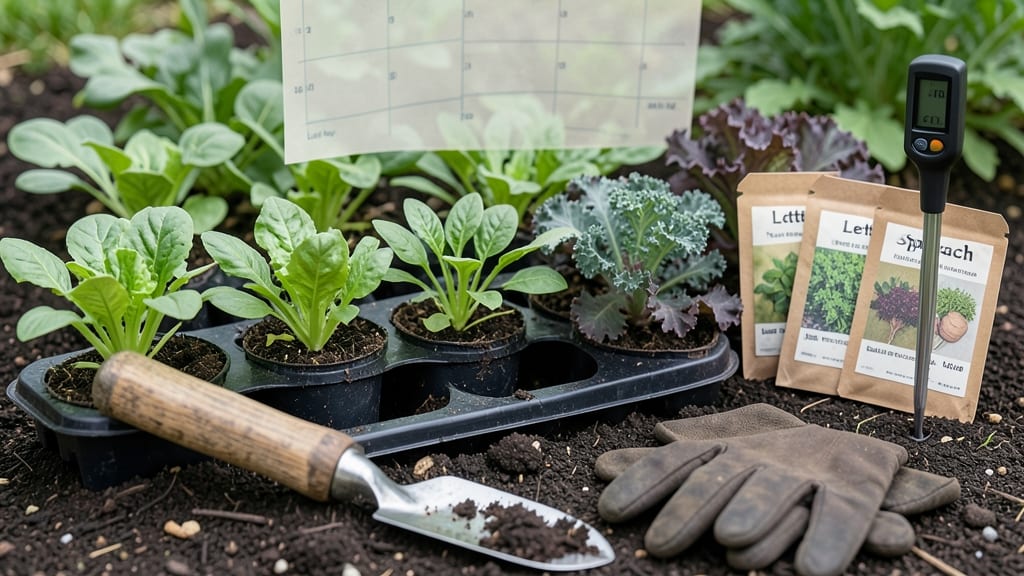
Planting your Wisconsin garden at the wrong time can mean the difference between a thriving harvest and a sad pile of frost-nipped seedlings.
The last frost dates in your county are the key to timing everything just right—whether you're sowing cool-season crops or waiting for the soil to warm up for tomatoes and peppers.
Wisconsin’s climate throws curveballs, with northern counties like Dodge or Bayfield playing by different rules than southern areas like Walworth or Grant. If you plant too early, a late frost will wipe out your hard work, while waiting too long cuts your growing season short.
The solution? A county-by-county guide that accounts for 5-year frost averages and microclimates.
I’ve dug into the data—including USDA resources and local agricultural extensions—to give you the exact windows for direct sowing, starting seeds indoors, and even late-spring/early-fall planting. Whether you’re a first-time gardener or a veteran with decades of experience, these timelines will help you avoid common mistakes and maximize your yield.
Ready to turn your Wisconsin garden into a productive powerhouse? Let’s break down the critical planting dates by crop, region, and weather patterns so you can get growing with confidence.
Wisconsin last frost dates by county: critical planting timelines
Wisconsin’s last frost dates vary dramatically from north to south, with northern counties like Ashland facing frost risks until June 15, while southern regions like Walworth can safely plant by May 1.
These differences mean the gap between early and late planting zones is nearly 6 weeks, making county-specific timing essential for your garden’s success.
Using 5-year historical averages from the Wisconsin State Climatology Office, I’ve compiled the most reliable planting windows for your county. Warm-season crops like tomatoes and peppers need soil temperatures above 55°F, while cool-season crops such as spinach and kale can handle light frosts down to 25°F.
Microclimates near lakes or urban areas can shift these dates by 1-2 weeks, so always adjust for your specific location.
Below is a county-by-county comparison of last frost dates, along with recommended planting windows for warm-season vegetables and cool-season starters. For a more precise estimate, use the Wisconsin Interactive Frost Calculator from the UW Extension, which accounts for elevation and local weather patterns.
For northern Wisconsin, where last frosts often linger into June, consider using row covers or cold frames to extend your planting window. In southern counties, you can even squeeze in a fall planting of spinach or radishes after Labor Day, provided your first frost isn’t too early.
If you’re starting warm-season seeds indoors, begin 6-8 weeks before your county’s last frost date. For example, in Dodge County, that means starting tomato seeds around March 20 to transplant by May 15.
Use a soil thermometer to confirm ground temperatures—50°F is the minimum for direct sowing most vegetables.
Pro tip: Bookmark the Wisconsin State Climatology Office for real-time updates. Their Frost Free Date Map is updated weekly and can shift your planting timeline by 1-2 weeks if a late frost is forecasted.
Pair this with the UW Extension’s Planting Calendar for crop-specific advice, such as when to harden off seedlings or mulch for heat retention.
For cool-season crops, like broccoli or carrots, you can plant as early as March 15 in southern counties, but wait until April 15 in the north. These crops tolerate light frosts, so don’t rush—slow, steady growth yields sweeter results.
How to adjust planting dates for Wisconsin’s unpredictable weather patterns
Wisconsin’s late spring frosts and early fall freezes can throw off even the most experienced gardener’s timing. The key to success lies in understanding soil temperature cues and adjusting planting windows by 1-3 weeks depending on your microclimate.
Northern counties like Bayfield often face frost risks until mid-June, while southern areas like Walworth may see safer conditions by mid-May. I’ve learned to use these adjustments to protect my tomato and pepper starts from surprise cold snaps.
Start by checking soil temperature with a simple probe—most warm-season crops like cucumbers and squash need soil at 60°F or warmer. Cold soil slows germination and invites rot diseases. I always test my raised beds first since they warm up faster than in-ground soil.
For cool-season crops like spinach and kale, I plant 4-6 weeks before the average last frost date, using row covers for extra protection.
🌱 5 Key Adjustments for Wisconsin’s Weather
- 1. Add a 2-week buffer to last frost dates—Wisconsin’s average last frost can vary by 7-10 days year-to-year.
- 2. Use cold frames for early starts: Extend the season by 3-4 weeks under clear plastic or glass.
- 3. Monitor soil, not air temperature: A 50°F air temp can hide 40°F soil, delaying germination.
- 4. Plant heat-loving crops like okra and sweet potatoes after June 15 in northern WI.
- 5. Keep row covers handy: A frost cloth can add 2-5°F of protection when temps dip.
For high-value crops like tomatoes and peppers, I use biodegradable pots to transplant seedlings after the last frost. This method reduces transplant shock and lets me adjust planting dates more flexibly. In Zone 4 areas, I often start these indoors by March 15 to give them a head start.
For fast-maturing varieties like bush beans, I might even plant directly into the garden by May 1 with a frost blanket ready.
Don’t forget about fall planting—Wisconsin’s second growing season can be just as productive. I’ve had great success with kale, radishes, and turnips planted by August 15. These crops tolerate light frosts and often produce sweeter flavors after a frost.
For warm-season crops like green beans, I wait until July 1 to ensure enough heat for maturation.
When in doubt, consult your local extension office for historical frost data. They often provide 10-year averages that account for Wisconsin’s lake-effect microclimates. I once lost my entire eggplant crop because I didn’t realize my Lake Michigan proximity delayed frost risks by 10 days.
Since then, I’ve made it a habit to check NOAA frost maps and adjust my planting calendar accordingly.
Finally, embrace succession planting to maximize your season. By staggering lettuce, carrots, and beets every 2 weeks, you’ll have a continuous harvest even if Mother Nature throws a curveball.
My fall garlic always does well when planted by October 1, and it’s one of my favorite ways to hedge against unpredictable Wisconsin weather. 🌱