
Plants
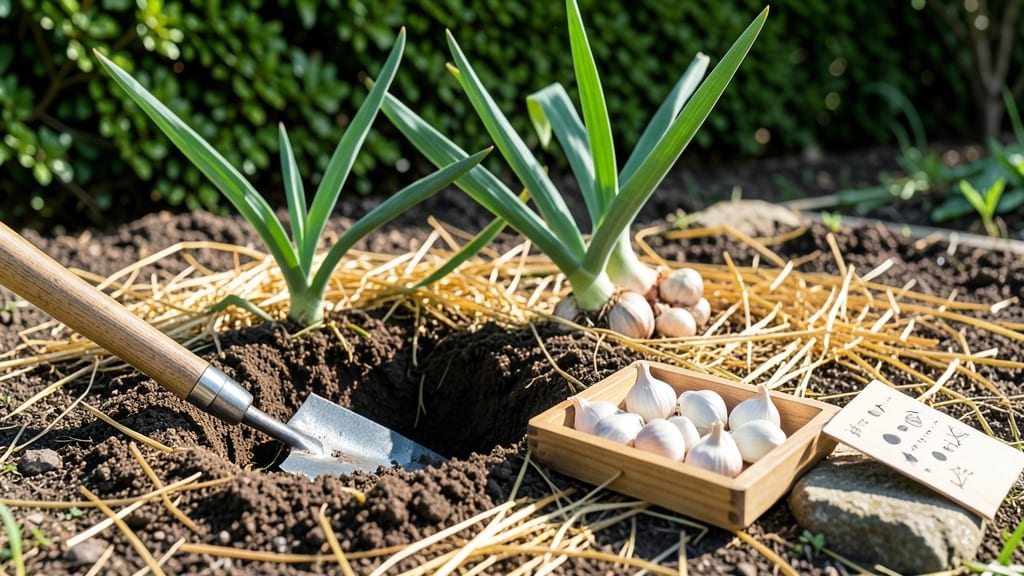
Planting garlic in Northeast Ohio at the wrong time can turn your 🧄 dreams into disappointment—bolting before bulbs form or freezing before roots establish. The key window is narrow, but getting it right means the difference between a harvest of plump, flavorful cloves and wasted effort.
For gardeners in Zone 6a, timing isn’t just about months—it’s about soil temperatures dropping to 40-50°F and planting 4-6 weeks before the ground freezes. That usually lands you in late October or early November, but local frost patterns can shift those dates.
I’ll break down exactly how to read your region’s cues so you never miss the sweet spot.
Why does this matter? Because garlic planted too early may bolt (shoot up and flower) before forming bulbs, while planting too late risks weak roots that struggle to survive winter. The good news?
With the right approach, you can push your harvest window to late June or July, giving you homegrown garlic long before store-bought options even make an appearance.
Let’s dive into the specifics—soil prep, variety choices, and how to adjust for Northeast Ohio’s unpredictable first frost dates. Trust me, once you master this, you’ll be the one everyone asks for fresh garlic cloves.
Northeast Ohio last frost dates & ideal garlic planting windows
Northeast Ohio’s Zone 6a climate creates a tight window for planting garlic—typically between late October and early November. But here’s the catch: the exact timing depends on whether you’re growing hardneck or softneck varieties, and whether you’re dealing with an average year or an early freeze.
I’ve planted garlic here for years, and I’ve learned the hard way that planting too early risks bolting, while planting too late means weak winter survival.
The golden rule is to plant garlic when soil temperatures drop to 40-50°F and 4-6 weeks before the ground freezes. In most of Northeast Ohio, that means aiming for mid-October to early November. However, local frost dates can vary by 1-2 weeks depending on elevation and microclimates.
For example, areas like Cleveland often see their first frost around October 15-20, while rural spots in Geauga County might hold off until late October.
Here’s where it gets tricky: hardneck varieties (like Music or German White) thrive in our cold winters, but they need that 4-6 week window to establish roots before dormancy. Softneck varieties (like Artichoke) are more forgiving but still benefit from early planting.
The key is monitoring your local last frost date, which in Northeast Ohio typically falls around mid-April—but that’s your harvest cue, not your planting window.
To avoid guesswork, I recommend checking the National Weather Service’s historical frost data for your specific county. For instance, in Akron, the average first frost is October 18, so I plant garlic by October 1 to ensure a full 4-6 week buffer.
In Youngstown, where frosts can come earlier, I might push planting to late September—but only for hardneck varieties, which handle the cold better.
| Factor | Average Northeast Ohio | Early Frost Year | Late Frost Year |
|---|---|---|---|
| First Frost Date | Mid-October (Oct 15) | Early October (Oct 1) | Late October (Oct 25) |
| Last Frost Date (Spring) | Mid-April (Apr 15) | Early April (Apr 1) | Late April (Apr 30) |
| Ideal Planting Window | Oct 15–Nov 1 | Sep 25–Oct 10 | Nov 1–Nov 15 |
| Soil Temp Trigger | 40–50°F | 45–50°F (warmer soil) | 35–45°F (cooler soil) |
| Hardneck Variety | Music, German White | Plant earlier | Plant later |
| Softneck Variety | Artichoke, Silver White | Avoid planting | Still viable |
If you’re planting in a late frost year, you can push garlic into early November—but only if soil temperatures are consistently below 50°F. I once planted German White garlic on November 5 in 2020, and it survived because we had an unusually warm fall.
However, if temperatures drop below freezing before roots establish, your garlic will struggle. To test soil readiness, stick a thermometer 2 inches deep—if it’s 40-50°F, it’s time to plant.
For hardneck varieties, which are the best choice for Northeast Ohio, aim for planting by October 31 at the latest.
These varieties need cold exposure to form bulbs, so planting too late (after November 15) risks poor bulb development. Softneck varieties, while more flexible, still benefit from early planting.
If you miss the fall window, you can try planting in early spring (March), but bulbs will be smaller and less flavorful.
One trick I’ve used is to plant a test row of garlic in early October. If it bolts (sends up a flower stalk) by late November, I know I planted too early the following year.
Conversely, if the test row struggles to establish roots by mid-November, I’ll adjust my planting date earlier. This method has saved me from wasted seed stock and disappointing harvests.
Don’t forget to mulch heavily after planting—4-6 inches of straw or leaves—to insulate the soil and protect cloves from freeze-thaw cycles. In extreme years, this can mean
Soil preparation & planting depth for Ohio garlic success
Once you’ve locked down your planting window in Northeast Ohio, the next critical step is preparing your soil and planting garlic bulbs at the perfect depth.
Garlic thrives in loose, well-draining soil with a pH between 6.0 and 7.0, and getting these details right ensures your cloves develop into plump, flavorful bulbs come harvest time. I’ve learned the hard way—skipping soil prep or planting too deep can lead to stunted growth or even rot.
Start by testing your soil’s pH level. Most garden centers sell affordable test kits, and if your soil is too acidic (<6.0) or alkaline (>7.0), amendments like lime (to raise pH) or sulfur (to lower pH) will help.
Aim for that neutral sweet spot where nutrients are most available. I’ve found that Northeast Ohio’s clay-heavy soils often need extra organic matter to improve drainage and structure.
Before planting, work in 2-3 inches of compost or well-rotted manure into the top 6-8 inches of soil. This boosts fertility and helps retain moisture, which is especially important during Ohio’s unpredictable spring rains.
If your soil feels compacted, consider adding coarse sand or perlite to improve aeration. Think of it like giving your garlic a fluffy, nutrient-rich bed to snuggle into for the winter.
🌱 Step-by-Step Soil Prep & Planting Guide
- Test soil pH: Use a kit to confirm 6.0-7.0 range. Adjust with lime or sulfur if needed.
- Amend soil: Mix in 2-3 inches of compost or aged manure. Add coarse sand if soil is clay-heavy.
- Choose planting location: Select a spot with full sun (6+ hours/day) and good drainage. Avoid low spots where water pools.
- Space bulbs: Plant cloves 4-6 inches apart in rows 6-8 inches apart for easy harvesting.
- Plant depth: Place cloves 2 inches deep, pointy end up, with 1/2 inch of soil covering the top.
- Mulch heavily: Apply 4-6 inches of straw after planting to insulate bulbs and prevent heaving in freeze-thaw cycles.
When it comes to planting depth, aim for 2 inches below the soil surface, with the pointed end of each clove facing upward. This depth ensures stability while allowing room for roots to establish before winter sets in.
I like to use a small hand trowel to create individual holes—it’s more precise than broadcasting seeds and prevents overcrowding. After planting, gently firm the soil around each clove to eliminate air pockets.
Proper spacing is just as critical as depth. Arrange cloves 4-6 inches apart in rows that are 6-8 inches apart. This gives each bulb enough room to expand without competing for nutrients or spreading disease.
In my garden, I’ve found that wider spacing also makes harvesting easier—no more tangled roots or broken stems when pulling bulbs from the soil.
Finally, don’t skip the mulch! After planting, cover the bed with 4-6 inches of straw or leaves. This layer acts as insulation, protecting bulbs from extreme temperature swings and preventing them from heaving out of the ground during freeze-thaw cycles.
In Northeast Ohio, where winters can be harsh and unpredictable, this step is non-negotiable for a successful harvest.
With your soil prepped and garlic planted just right, you’re setting the stage for a bountiful harvest next summer. The key now is patience—let nature do the work while your garlic roots establish and bulbs plump up underground.
Before you know it, you’ll be pulling those first golden cloves from the soil, ready to flavor your garden-fresh dishes.