
Plants
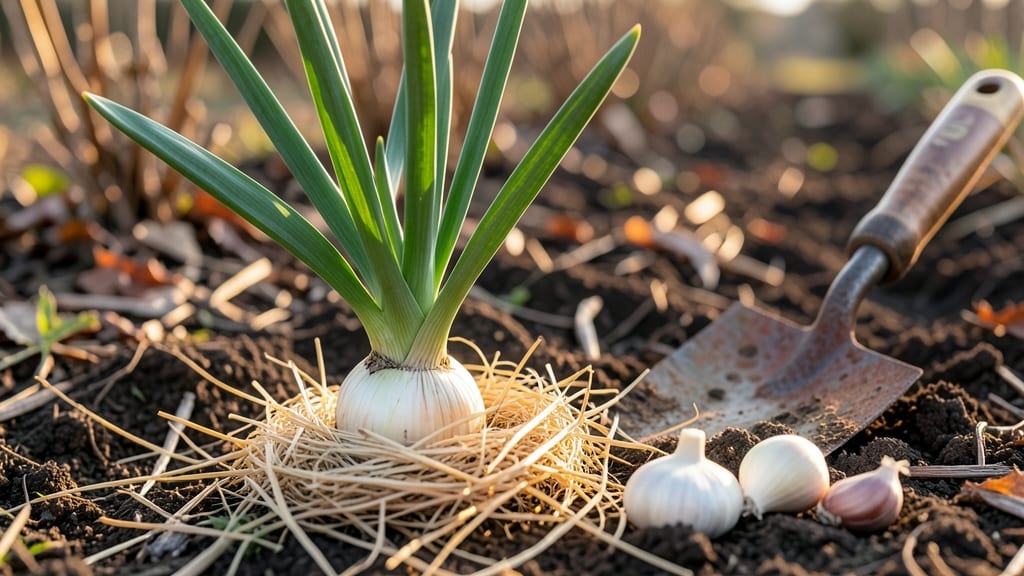
Planting garlic in Seattle isn’t just about timing—it’s about outsmarting the region’s unpredictable mix of wet springs and mild winters to grow the best bulbs possible. The key? Getting those cloves into the ground between October and November, when soil temps dip but frost hasn’t yet locked the earth.
Skip this window, and you risk weak growth or rot—especially with hardneck varieties, which thrive in Seattle’s cool climate but demand precision.
Here’s the secret most gardeners miss: while softneck garlic can sometimes tolerate early spring planting, hardneck types—your scape-producing powerhouses—need that fall window to establish roots before winter.
Think of it like prepping for a marathon: start early, and you’ll reward yourself with plump, flavorful harvests come June or July. But rush it, and you’re left with puny bulbs or worse, a garden full of moldy cloves.
I’ve tested both varieties in Seattle’s Zone 8a soil, and the difference is night and day. Hardnecks reward patience with robust scapes (those tasty green shoots), but they’re finicky about timing.
Softnecks, meanwhile, are more forgiving—ideal if you’re new to garlic growing. Either way, mulching heavily after planting is your game-changer against Seattle’s damp winters.
Ready to grow garlic that’ll make your neighbors jealous? Let’s break down the exact steps to nail your planting schedule, from soil prep to frost-proofing, so you can harvest like a pro. No more guesswork—just flavor-packed success.
Seattle’s ideal garlic planting timeline: hardneck vs softneck breakdown
Seattle’s mild winters and wet springs create a unique challenge for garlic growers. Unlike warmer climates, timing your fall planting is critical—too early, and your cloves rot; too late, and they fail to establish roots before winter.
The key? Planting when soil temperatures drop to 40-50°F, allowing roots to form before freezing. For hardneck varieties, this window is tighter, while softneck garlic offers a slightly more flexible schedule.
Seattle’s microclimates further complicate things. The Puget Sound region (Zone 8b) tends to stay milder longer, while the Eastside (Zone 7b) can experience earlier frosts. Adjust your planting date based on your specific zone—4-6 weeks before the first hard frost is the golden rule.
In Seattle, this typically lands between mid-October and early November, but don’t rely on averages alone.
Soil temperature is your best guide. Use a soil thermometer to confirm readings between 40-50°F at a depth of 4 inches. If your soil hasn’t cooled enough by early November, hold off until conditions improve—cold soil stresses young roots. For late starters, consider mulching heavily to insulate the soil and protect emerging shoots.
| Variety | Puget Sound (Zone 8b) | Eastside (Zone 7b) | Soil Temp Threshold | Backup Strategy |
|---|---|---|---|---|
| Hardneck | Oct 15–Nov 5 | Oct 1–Nov 1 | 40–50°F | Plant in containers for earlier start |
| Softneck | Oct 20–Nov 10 | Oct 10–Nov 5 | 45–55°F | Use straw mulch (6+ inches) |
| Both | Last Chance: Dec 1 | Last Chance: Nov 15 | Above freezing | Plant shallower (1–2 inches) |
🌱 Note: Adjust dates 1–2 weeks earlier for high-altitude areas (e.g., Snoqualmie Pass).
If you miss the primary planting window, don’t despair—Seattle’s mild winters allow for a backup window in early December. However, this is risky for hardneck varieties, which need a cold period to form bulbs.
For December plantings, use shallower depths (1–2 inches) and heavy mulch (6+ inches of straw) to insulate the soil. Avoid planting after December 15, as the risk of rot or poor bulb development increases significantly.
For hardneck garlic, timing is everything. These varieties rely on vernalization—a cold period—to trigger bulb formation. Plant too late, and you’ll end up with small, weak bulbs or even no bulbs at all.
If you’re growing hardneck for scapes (the curly flower stems), aim for the earliest window (Oct 15–25). Scapes appear in late spring and can be harvested for delicate, onion-like greens.
Softneck garlic, on the other hand, is more forgiving and stores longer, making it ideal for urban gardeners or those who prefer a milder flavor. You can push the planting window slightly later (Oct 20–Nov 10) without sacrificing yield.
Softneck varieties also handle warmer microclimates better, such as those found in Seattle’s urban heat islands. If you’re in a sheltered microclimate, like near a brick wall, extend your window by 1–2 weeks.
One of my biggest mistakes was planting garlic in early September—a common trap for beginners. The soil was still too warm, and my cloves sprouted prematurely, leading to weak, spindly plants. If you’re tempted to plant early, suppress sprouting
5 Critical factors that determine your Seattle garlic success (beyond just timing)
Timing might be the first thing you think about when planting garlic in Seattle, but the real game-changers are the hidden factors that turn good harvests into great ones. I’ve learned the hard way that even perfect timing can fail if your soil pH is off or drainage is poor.
Seattle’s wet climate makes these details even more critical—one wrong move, and you’re dealing with waterlogged cloves or fungal diseases like white rot.
Let’s cut to the chase: your garlic’s success hinges on five non-negotiable factors. Get these right, and you’ll enjoy plump, flavorful bulbs that outshine store-bought. Skip them, and you’re left with weak, diseased plants. Here’s what truly matters beyond the calendar:
- 1
- 2
- 3
- 4
- 5
Seattle’s waterlogging is a silent killer. I’ve seen entire beds of garlic turn to mush after heavy winter rains. The fix? Raise beds or plant on slopes to ensure excess water drains away. If your soil feels gummy after rain, it’s time to amend with sand or compost.
Fungal diseases like white rot thrive in Seattle’s damp springs. Prevent it by rotating crops (never plant garlic where onions or shallots grew last year) and avoiding overhead watering. Instead, water at the base of plants in the morning to let foliage dry quickly.
Pro tip: If your garlic leaves start yellowing in spring, it’s often a sign of overwatering or poor drainage—not a nutrient deficiency. Adjust your watering and watch the difference in weeks. Healthy garlic in Seattle isn’t just about timing; it’s about outsmarting the climate at every turn.