
Plants
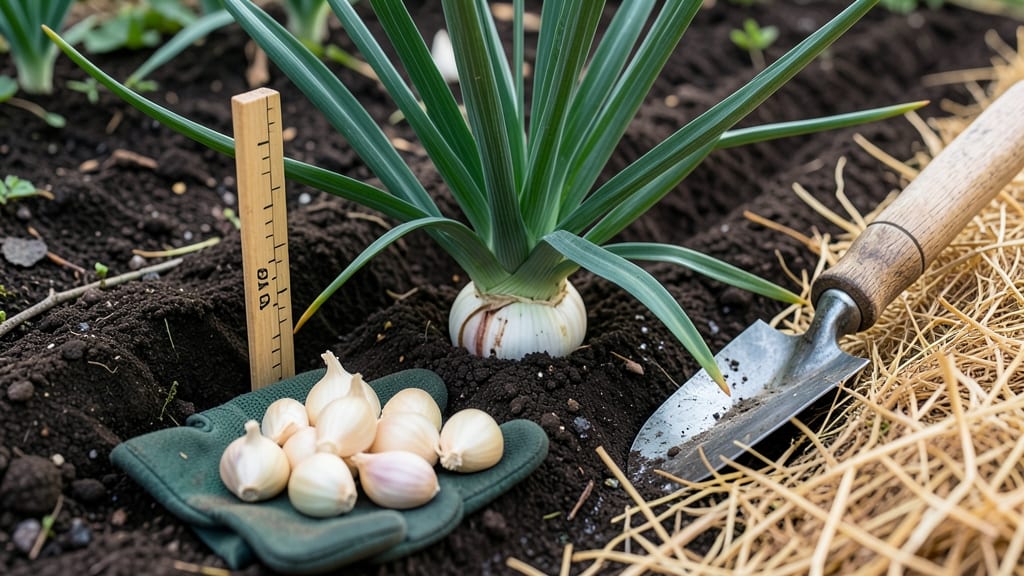
Planting garlic in South Dakota isn’t just about timing—it’s about outsmarting the unpredictable winters and short growing season that can turn a promising crop into a bust.
If you’ve ever watched your garlic cloves rot in the ground or fail to sprout because of frost, you know the stakes are high.
For gardeners in zones 4a-5b, the sweet spot is late September to early October, when soil temps dip but the ground stays workable.
This window lets 🧄 hardneck varieties establish roots before winter’s chill sets in, giving them the head start they need to produce those prized bulbs by next July.
But here’s the catch: South Dakota’s climate isn’t one-size-fits-all. High-altitude areas like the Black Hills freeze earlier, while river valleys might linger just a little longer.
I’ll break down how to adjust your planting schedule—and soil prep—to match your microclimate, so you’re not guessing whether your garlic will survive the freeze.
Skip the trial-and-error. By the end of this guide, you’ll know exactly when to plant for maximum yield, how to protect your crop from heaving, and why hardneck garlic thrives here better than softneck. Let’s get those cloves in the ground the right way.
Best planting months for hardneck garlic in South Dakota’s climate zones
South Dakota’s USDA hardiness zones 4a-5b create unique challenges for garlic growers, where cold winters and short growing seasons demand precise timing. Unlike warmer climates, hardneck garlic thrives when planted in fall, allowing bulbs to establish roots before winter dormancy.
The key? Planting 4-6 weeks before the ground freezes—typically between late September and early October—to ensure robust growth before winter sets in.
Timing isn’t one-size-fits-all in South Dakota. Eastern regions (like Sioux Falls) often experience earlier frosts, while western areas (such as Rapid City) may have slightly later freezes. High-altitude zones in the Black Hills can freeze even sooner, requiring adjustments.
My rule of thumb? Aim for soil temperatures between 40°F and 50°F at planting time—this sweet spot balances root establishment and frost hardiness.
Here’s the critical detail: hardneck garlic needs 120-140 days of cold exposure to form bulbs properly. South Dakota’s winters naturally provide this, but planting too early (like August) risks premature sprouting, while planting too late (November) may leave bulbs vulnerable to heaving during freeze-thaw cycles.
The ideal window aligns with your first hard freeze—usually mid-October in most of the state.
| Zone & Location | Best Planting Window | Soil Temp Goal | Key Adjustments |
|---|---|---|---|
| Zone 4a (Black Hills, Custer) | Late September (by Sept 25) | 40°F–45°F | Plant earlier; frost arrives sooner |
| Zone 4b (Pierre, Watertown) | Early to mid-October | 45°F–50°F | Standard timing; watch for early snow |
| Zone 5a (Sioux Falls, Mitchell) | Mid-October (by Oct 15) | 50°F | Later frost dates; extend window slightly |
| Urban Gardens (Rapid City) | Late Sept–early Oct | 40°F–50°F | Microclimates vary; test soil weekly |
🌱 Pro Tip: Use a soil thermometer to confirm temps—this avoids guesswork!
For early varieties like ‘Silverskin’ or ‘Creole’, you can push the envelope slightly—planting as late as early November in zone 5a. These types mature faster and tolerate slightly later planting, but they’ll still need adequate cold exposure.
Conversely, late varieties like ‘German White’ or ‘Music’ should go in by mid-October to avoid stunted growth.
One of my biggest mistakes? Ignoring snow cover as a natural insulator. In South Dakota, a 4-inch snow blanket can protect garlic from extreme cold, extending the growing window. If you’re in an area prone to freeze-thaw cycles (like river valleys), consider adding straw mulch (3–4 inches) after planting.
This prevents heaving—when bulbs push up and out of the soil—during temperature swings.
What about spring planting? While possible in milder climates, South Dakota’s short growing season makes it risky. If you miss the fall window, you’ll need to plant in early spring (March) and use row covers to simulate winter dormancy.
However, bulbs may not reach full maturity, resulting in smaller harvests. Fall planting remains the gold standard for hardneck garlic here.
Pay attention to moon phases too—many gardeners swear by planting during the waning moon (when the moon is decreasing in size) to encourage root growth. While not scientifically proven, it’s a low-risk tradition worth trying.
Pair this with well-draining soil (amend with compost if needed) and full sun exposure, and you’re set for success.
Finally, mark your calendar for next year: note when your first hard freeze occurs, then count back 4–6 weeks. This simple trick ensures you’re always on target. In South Dakota, where winters can be unpredictable, this method beats relying on generic planting charts.
With the right timing, you’ll harvest plump, flavorful bulbs by mid-July—worth the effort! 🌿
How to adjust planting for South Dakota’s microclimates and soil conditions
South Dakota’s diverse microclimates can throw off even the most experienced gardener’s timing. The Black Hills freeze earlier than river valleys, and urban gardens in Sioux Falls face different soil challenges than rural fields.
If you’ve ever planted garlic only to watch it heave out of the ground during freeze-thaw cycles, you know how quickly things can go wrong.
For high-altitude areas like the Black Hills (USDA zone 4a), aim to plant garlic by mid-September—earlier than the general recommendation for lower elevations. The ground freezes faster here, so give those cloves a head start.
Meanwhile, gardeners in river valleys (zone 5a) might push planting until early October without risking frost damage.
Urban gardeners in cities like Rapid City or Aberdeen often deal with compacted, clay-heavy soil that drains poorly. This is a recipe for rot, especially when winter moisture mixes with spring thaw.
The key? Amend your soil with compost and coarse sand before planting to create loose, well-draining conditions. A 50-50 mix of native soil and organic matter works wonders.
Now, let’s talk about the biggest threat to South Dakota garlic: late-season heaving. This happens when garlic bulbs push up through the soil during freeze-thaw cycles, exposing them to cold and drying winds.
To prevent it, plant cloves 4 inches deep—deeper than most guides suggest—and cover the bed with 4-6 inches of straw mulch once the ground freezes. This acts as insulation and keeps the soil stable.
⚠️ WARNING: Don’t Plant Too Late!
If you wait until November to plant garlic in South Dakota, your cloves won’t establish roots before the ground freezes solid. This forces them into a dormant state too early, delaying spring growth and reducing bulb size. For hardneck varieties (the best choice for SD), stick to September–early October—no exceptions.
For sandy soils common in western SD, focus on retaining moisture. Mix in peat moss or coconut coir to hold water near the roots, and water deeply once a week during the growing season.
Sandy soils warm up faster in spring, so monitor for early sprouting—if shoots emerge before the last frost, protect them with frost cloth until temperatures stabilize.
Finally, consider elevated beds if your garden floods in spring. Raised beds improve drainage and warm up quicker, giving garlic a jumpstart. Just avoid over-fertilizing—garlic thrives in lean soil with minimal nitrogen.
A light application of composted manure in early spring is enough to fuel growth without encouraging excessive foliage at the expense of bulb development.
With these adjustments, your garlic will brave South Dakota’s freeze-thaw cycles, clay soils, and altitude shifts like a pro. Next summer, you’ll be harvesting plump, flavorful bulbs instead of wondering where your crop went wrong.