
Plants
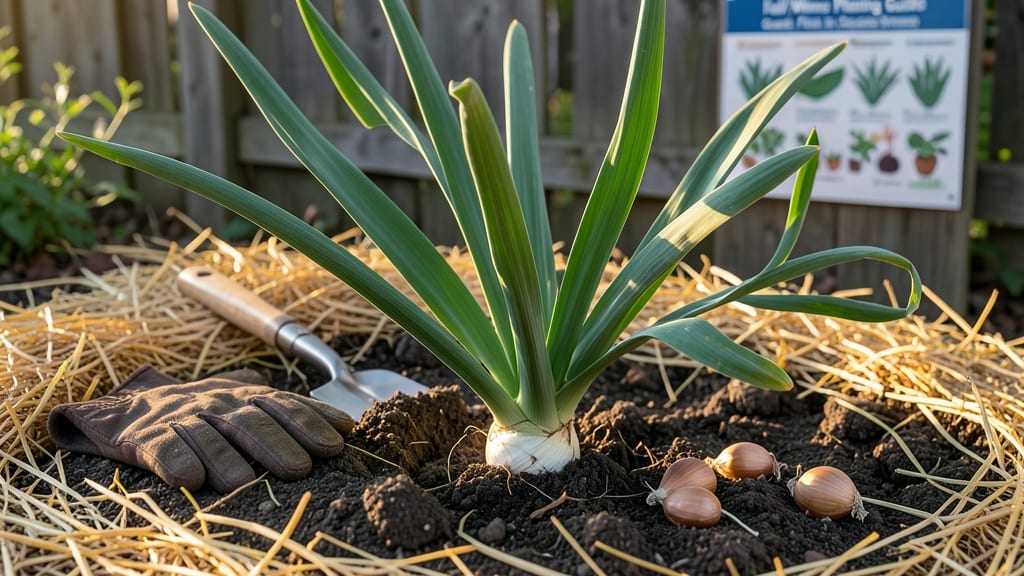
Planting garlic in Tucson isn't just about timing—it's about outsmarting the desert's unpredictable swings from 90°F summers to chilly winter nights. Miss the window, and your 🧄 cloves might bolt too early or rot before harvest.
The key? Knowing whether to plant hardneck varieties in early fall or softnecks in late winter, and how Tucson's USDA Zone 9b microclimates change the rules.
Most gardeners here swear by October as the sweet spot for hardnecks—6-8 weeks before the first frost—but softnecks can handle a February push for a summer harvest. I’ve tested both methods, and the difference in bulb size and flavor is night-and-day.
Let me break down exactly when to plant each type, plus the soil tricks that keep your garlic thriving through Tucson’s dry spells.
You’ll also discover why mulching with straw isn’t just optional—it’s a lifesaver against our erratic freeze-thaw cycles. And yes, there’s a right way to water without drowning your cloves in the desert heat. Ready to turn your backyard into a garlic goldmine? Let’s get those deadlines locked in.
The best part? With the right timing, you could be pulling plump, flavorful bulbs by next April—just in time for spring cooking. No more store-bought garlic here. Stick with me, and I’ll show you how to hack Tucson’s climate for a harvest that’ll make your neighbors jealous.
Tucson’s ideal garlic planting windows: hardneck vs softneck deadlines explained
Tucson’s USDA Zone 9b climate demands precision when planting garlic—too early, and your hardneck varieties bolt prematurely; too late, and softneck garlic may never bulb out. The key lies in understanding each variety’s temperature requirements and Tucson’s microclimate variations.
With average first frost dates around December 15 and last frosts near January 10, timing is everything for a successful harvest.
For hardneck garlic, which requires cold vernalization (4-6 weeks below 50°F), your planting window is narrow but critical. Softneck varieties, however, are more forgiving and can handle Tucson’s milder winters with slightly more flexibility.
Let’s break down the exact deadlines to maximize your yield in this desert environment.
Your primary planting window for both varieties falls between mid-October and mid-November, but hardnecks need that extra chill.
Aim to plant hardneck garlic by October 15 to ensure they experience 4-6 weeks below 50°F—critical for bulb formation. Softnecks, being more adaptable, can go in until November 15 without bolting risks.
Tucson’s elevation variations (from 2,500 to 4,000 feet) create microclimates where higher elevations (like Mount Lemmon) may frost earlier. Adjust your planting by 1-2 weeks earlier if you’re above 3,500 feet.
For low desert areas (e.g., near Tucson International Airport), you might push softnecks to late November, but hardnecks will struggle.
If you miss the fall window, softneck garlic can be planted in early February for a summer harvest, though bulbs will be smaller. Hardnecks planted in spring will almost certainly bolt—save them for fall only. For spring planting, focus exclusively on softneck varieties like ‘California Early’ or ‘Silverwhite’.
Soil temperature is your secret weapon in Tucson. Use a soil thermometer to confirm 60°F+ soil temps before planting—cold soil delays germination. Hardnecks planted in 50°F soil or below may rot, while softnecks tolerate slightly cooler conditions.
Mulch with straw or leaves after planting to stabilize soil temps and retain moisture.
Bolting is your biggest enemy in Tucson’s climate. Hardnecks bolt when they experience too much cold too soon or daylength triggers (longer days in spring).
To prevent this, avoid planting before October 1—earlier plantings risk bolting before bulbs form. Softnecks are less prone but can still bolt if stressed by heat waves in late winter.
For urban gardeners in Tucson, container planting offers flexibility. Use 5-gallon pots with well-draining soil and plant 2-3 cloves per pot. Containers warm up faster, so adjust your planting date 1 week later than in-ground plantings to avoid bolting.
Place pots in full sun and water consistently—containers dry out 3x faster than garden beds.
Once planted, minimize watering until shoots emerge (usually 2-3 weeks). After that, water deeply every 10-14 days to encourage bulb development. In Tucson’s dry climate, garlic is surprisingly drought-tolerant once established—overwatering causes rot and smaller bulbs.
Aim for 1 inch of water per week, delivered in the early morning
How Tucson’s unique climate affects garlic growth: what to watch for
Tucson’s high desert climate creates unique challenges for garlic growers. The 7,000-foot elevation and low humidity mean soil heats up faster than coastal areas, while urban heat islands in neighborhoods like South Tucson can push temperatures even higher.
These factors force adjustments to traditional planting timelines and care routines to prevent bolting or poor bulb development.
One critical factor is soil temperature. Tucson’s desert soils can reach 100°F+ in summer, but garlic cloves need 40-50°F soil temps to sprout properly. This means fall planting (October-November) is ideal, but rural areas with cooler nights may extend their window slightly compared to urban heat pockets.
Urban gardeners also face compacted soil challenges from foot traffic and concrete runoff. Amending beds with organic matter like compost and sand improves drainage, while rural gardeners may need to address calcareous soils common in the region by adding sulfur or peat moss.
⚠️ callout-warning ⚠️
⚠️ Critical Timing Alert for Tucson Gardeners ⚠️
Urban vs. Rural Deadlines: Plant hardneck varieties in urban Tucson by October 15 to avoid summer heat stress, while rural areas can extend until November 1 due to cooler nights. Softnecks tolerate heat better and can be planted until December 1 in most zones.
Watering Warning: Overwatering in Tucson’s low-humidity climate causes rot—stick to deep watering every 10-14 days after establishment. Urban areas may need daily checks for moisture due to faster evaporation.
Irrigation strategies must adapt to Tucson’s variable rainfall patterns. While the region averages 12 inches annually, summer monsoons can deliver sudden downpours that drown garlic. Drip irrigation systems with timers are ideal, delivering 1 inch of water weekly during active growth.
Rural gardeners with deeper soils may need less frequent watering than urban gardeners with shallow root zones.
Altitude plays a surprising role too. Areas like Mount Lemmon (4,000+ ft) have cooler microclimates that allow for later planting (through December), while low-desert areas near Tucson Airport may need earlier planting (by October 1) to avoid heat stress.
Test your soil’s cold tolerance by planting a few cloves in September—if they sprout, you’re safe to plant later.
Finally, mulching with straw becomes essential in Tucson’s climate. A 4-inch layer protects bulbs from temperature swings, conserves moisture, and suppresses weeds. In urban gardens, mulch also helps moderate heat island effects, while rural gardeners should avoid thick mulch that could trap too much moisture in winter.