
Plants
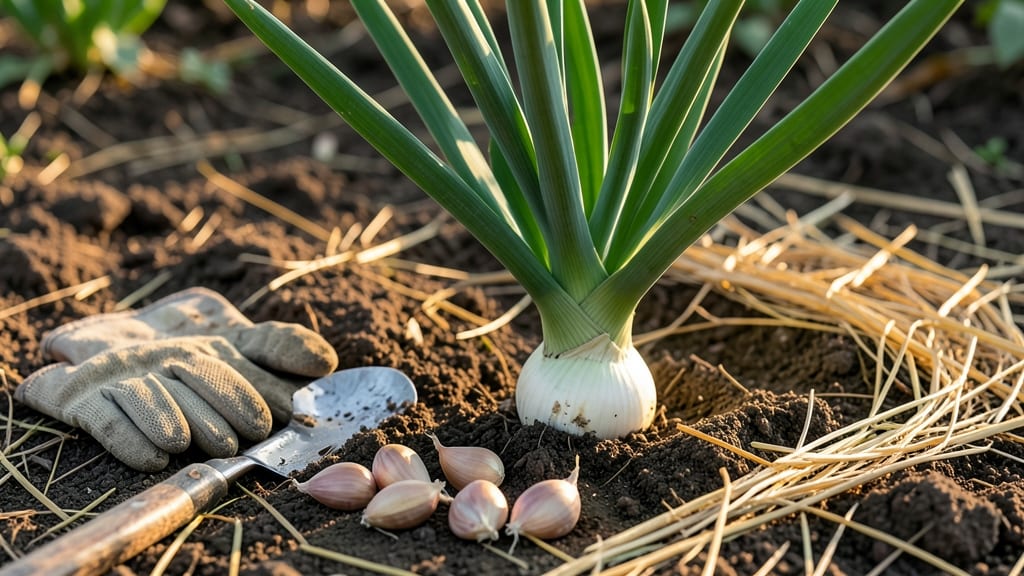
Planting garlic in Vermont at the wrong time could mean tiny bulbs—or worse, no harvest at all. The key to growing bold, frost-resistant 🧄 lies in timing your fall planting just right, when soil temps drop but before the ground locks up.
Most gardeners here swear by the late September to mid-October window, but Vermont’s USDA Zones 4b-6a mean you’ve got flexibility if you act fast. Hardneck varieties (like the classic Rocambole) thrive in our cold winters, while softnecks need a slightly earlier start.
Don’t worry if you miss the ideal window—we’ll show you how to stretch planting into November with mulch tricks that protect cloves through winter. The secret? Understanding your microclimate and soil prep so your garlic wakes up strong next spring.
Whether you’re a first-timer or a seasoned gardener, these timing tips will help you grow garlic that outshines store-bought—no matter how harsh Vermont’s winters get. Let’s get those cloves in the ground the right way.
Vermont garlic planting calendar: hardneck vs softneck timing breakdown
Vermont’s USDA Zones 4b-6a create unique challenges for garlic growers, but the key to success lies in understanding the hardneck vs softneck differences and their ideal planting windows.
Hardneck varieties—like Music or German White—thrive in Vermont’s cold winters, while softneck types (Silverskin or Artichoke) struggle with our harsh conditions. The timing difference between these varieties can mean the gap between a bountiful harvest and wasted effort.
For Vermont gardeners, fall planting is non-negotiable. The 4-6 week window before the ground freezes—typically late September to mid-October—gives garlic roots time to establish before winter dormancy.
Softneck garlic can sometimes tolerate slightly later planting, but hardnecks demand precision. Missing this window means risking stunted bulbs or complete failure in our Zone 4 winters.
Here’s the breakdown you need to plan your Vermont garlic garden with confidence:
| Variety Type | Best Planting Window | Soil Temperature | Frost Requirement | Vermont-Specific Tip |
|---|---|---|---|---|
| Hardneck (e.g., Rocambole, Porcelain) | Late Sept - Mid Oct | 40-50°F (4-10°C) | Must experience winter dormancy | Plant 4-6 weeks before first hard frost |
| Softneck (e.g., Silverskin, Artichoke) | Late Oct - Early Nov | 50-60°F (10-15°C) | Can tolerate milder winters | Use black plastic mulch for warmth |
| Both Types | Emergency: Late Nov (if soil workable) | Above freezing | Risk of poor bulb formation | Use row covers for extra protection |
While hardneck garlic dominates Vermont gardens, softneck varieties can work if planted later—though they’ll never match the bold flavor and large bulb size of their hardneck cousins. The soil temperature is your best guide: aim for 40-50°F for hardnecks and 50-60°F for softnecks.
Use a soil thermometer to check—Vermont’s chilly fall nights can drop temperatures faster than you expect.
Proper soil preparation is just as critical as timing. Vermont’s clay-heavy soils need amending with compost or aged manure to improve drainage. Test your soil’s pH (6.0-7.0) and add lime if needed—acidic soil stunts garlic growth.
Work in 2-3 inches of compost 2-3 weeks before planting to give roots a nutrient boost before winter sets in.
Don’t overlook mulching—this is where Vermont gardeners excel. Apply 4-6 inches of straw or leaves after planting to insulate bulbs through winter. In Zone 4b areas, this extra layer can mean the difference between survival and failure.
Remove mulch in early spring (March) to let soil warm and encourage growth.
Spring planting is possible but not recommended for Vermont’s climate. If you must plant in spring, use early-maturing varieties like Silverskin and expect smaller bulbs. The 90-day growing season leaves little room for error—spring-planted garlic rarely develops the size or flavor of fall-planted crops.
For best results, stick to the fall timeline and embrace Vermont’s winter.
Harvest timing follows the same rules whether you planted hardneck or softneck: aim for mid-to-late July when lower leaves brown but upper leaves stay green. In Vermont, this often coincides with peak summer heat, so water deeply in the morning to prevent stress.
Cure harvested bulbs in a shady, dry place for 2-3 weeks before storing—this step preserves their flavor and longevity.
One final Vermont-specific tip: Save your best bulbs for next year’s planting. Local varieties often adapt better to our microclimates than store-bought garlic. If you notice certain cloves producing larger bulbs or better flavor, set them aside for your fall planting the following year.
This simple practice builds resilience in your garlic over time.
With Vermont’s short growing season and unpredictable weather, timing is everything. But when you nail the fall planting window and give your garlic the care it needs, you’ll harvest bold, frost-resistant bulbs that put store-bought varieties to shame. Happy planting! 🧄
5 Critical factors that determine your Vermont garlic success (and when to adjust timing)
Vermont’s unpredictable frost dates and short growing season mean your garlic’s success hinges on timing adjustments you can’t afford to miss. Unlike warmer climates, Vermont gardeners must account for soil temperature fluctuations, variety maturity rates, and even microclimates that can shift ideal planting windows by 2-4 weeks.
The wrong timing leads to stunted bulbs—or worse, total failure. Let’s break down the 5 non-negotiable factors that determine whether your garlic thrives or struggles.
First, soil temperature is your #1 clue. Garlic cloves need 40-50°F soil to sprout, but roots establish best when temps stay below 60°F. Plant too early (like late August), and cloves may rot before winter.
Plant too late (after mid-October), and roots won’t anchor before freezing. Use a soil thermometer—it’s the only way to know for sure when your garden is ready.
Frost dates are your second critical deadline. Vermont’s first hard frost typically hits mid-October, but your garlic needs 4-6 weeks to root before winter sets in. That means late September to early October is your ideal window—but if an early frost sneaks in, adjust by planting 2 weeks earlier. Pro tip: Check the USDA Plant Hardiness Zone Map for your specific Vermont location (Zones 4b-6a), as northern regions freeze faster.
Plant when soil hits 40-50°F—use a thermometer! Too warm = rot; too cold = poor root growth.
Aim for 4-6 weeks before first frost. Vermont’s mid-October average is your guide—but adjust if early frost threatens.
Hardneck varieties (like German White) mature in 270 days—softnecks need 300+ days. Vermont’s 145 frost-free days favor hardnecks.
South-facing slopes warm 1-2 weeks earlier than low-lying areas. Test spots with garlic trials to find your sweet spot.
If unseasonable warmth delays frost, plant softneck varieties in late October—they tolerate cooler soils better.
Next up is garlic variety maturity. Vermont’s 145 frost-free days make hardneck varieties (like Music or German Red) the clear winners—they mature in 270 days, leaving room for error. Softnecks, which need 300+ days, are riskier unless you’re in a Zone 5+ microclimate.
For example, Artichoke softnecks might work in southern Vermont, but they’ll flop in northern Burlington. Always check the days-to-maturity label when buying seed garlic.
Don’t overlook microclimates—they can shift your planting window by 1-2 weeks. A south-facing slope might hit 40°F soil by September 20th, while a low-lying valley could wait until October 5th.
To test, plant a small test row in multiple spots and monitor sprouting. If one area outperforms others, expand there. Even a 5°F temperature difference can mean the difference between success and failure.
Finally, weather surprises demand flexibility. Vermont’s unpredictable fall weather can throw off your best-laid plans. If an early frost hits in late September, plant hardier varieties like Silverskin or delay until November if soil is workable.
Conversely, if unseasonable warmth lingers into November, opt for softneck varieties that tolerate cooler soils better. Keep a backup batch of cloves on hand—you’ll thank yourself when Mother Nature throws a curveball.
Adjusting timing isn’t just about dates—it’s about observing your garden and adapting in real time. Start with the 5 factors above,