
Plants
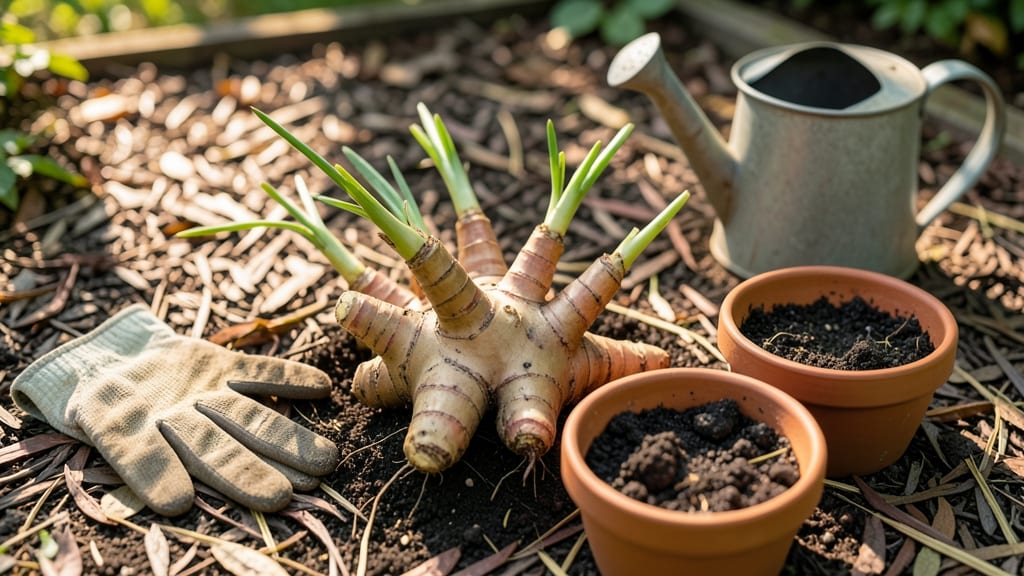
Planting ginger 🌿 in North Carolina at the wrong time could mean wasted effort—or worse, a crop lost to frost. The key to growing bold, aromatic rhizomes lies in understanding your heat zone and avoiding those late-March cold snaps that sneak up on gardeners.
Most NC gardeners in zones 6b-8a should get their rhizomes in the ground between mid-March and April, when soil temperatures hit 60°F consistently. That’s after the last frost date, which varies from late March in the Piedmont to early April along the coast.
But here’s the game-changer: if you’re in the warmer 8a zones, you can push planting into early May for a fall harvest. The secret? Monitoring soil warmth and using mulch to protect tender shoots from unpredictable NC weather patterns.
I’ll walk you through exactly how to time it right—plus soil prep, shade strategies, and when to expect those plump, harvest-ready rhizomes by October. Let’s make sure your ginger thrives, not just survives.
North Carolina ginger planting calendar by heat zone: best months for frost-free growth
North Carolina’s diverse USDA heat zones (5b-8a) create unique planting windows for ginger. In cooler zones 5b-6a, like the Mountains region, your planting window is tight—just 4-6 weeks between last frost and summer heat.
Meanwhile, zones 7b-8a along the coast enjoy extended growing seasons with summer planting options for fall harvests.
Ginger thrives in warm soil temperatures (65°F+). In zone 5b, wait until mid-April when soil reaches 60°F—earlier plantings risk frost damage to tender shoots.
Gardeners in zone 8a can plant as late as June for a fall harvest, but avoid peak summer heat (above 90°F) which stresses rhizomes.
Soil temperature is your best guide—use a soil thermometer to confirm readiness. In zone 6b, aim for April 15-May 1 when daytime temps stay above 70°F. Coastal zone 7a gardeners have flexibility: March 15-April 30 for spring harvests or July-August for fall yields.
First-frost dates vary dramatically across NC. Mountain zones (5b-6a) face frost by October 15, giving ginger just 180-200 frost-free days. Coastal zone 8a enjoys 240+ frost-free days, allowing two planting cycles per year. Always check local frost data—your county extension office provides precise dates.
Advanced tip: In zones 7b-8a, try summer planting (June-July) for a fall harvest. This method works because ginger’s rhizomes mature quickly in warm soil—ideal for NC’s long summers. Just mulch heavily to retain moisture during dry spells.
Planting calendar varies by zone—see the table below for exact windows. Remember: rhizomes need 10-12 months to mature, so fall-planted ginger in zones 7-8 won’t harvest until next year’s spring. Plan accordingly!
| USDA Zone | Best Planting Window | Soil Temp Threshold | First Frost Date | Harvest Window |
|---|---|---|---|---|
| 5b (Mountains) | Mid-April to May 1 | 60°F+ | October 15 | October-November |
| 6a (Foothills) | Late March-April 15 | 65°F+ | October 30 | October-November |
| 6b (Piedmont) | April 15-May 1 | 65°F+ | November 1 | October-November |
| 7a (Coastal) | March 15-April 30 | 68°F+ | November 15 | October-November |
| 7b (Coastal) | March 15-May 15 OR July-August | 70°F+ | November 30 | October-November (spring) OR next spring (summer) |
| 8a (Coastal) | February-March OR June-July | 72°F+ | December 15 | November (spring) OR next spring (summer) |
For zone 5b-6a gardeners, focus on spring planting—this is your only reliable window. In warmer zones (7b-8a), experiment with summer planting for a second harvest. Just remember: rhizomes need consistent warmth—avoid planting when daytime highs exceed 95°F.
Pro tip: Use black plastic mulch in cooler zones to warm soil faster. In hotter zones, provide afternoon shade during peak summer to prevent rhizome stress. Both tricks extend your planting window by 2-3 weeks in either direction.
Timing isn’t just about frost—it’s about rhizome development. Plant too late, and your ginger may bolt before mat
How to prepare ginger rhizomes for North Carolina’s climate: soil depth, mulching, and shade strategies
North Carolina’s humid subtropical climate creates perfect conditions for ginger—if you prepare the rhizomes correctly. The key lies in soil depth, mulching, and shade to protect tender shoots from our summer heat spikes and unpredictable spring frosts.
Unlike tropical ginger, our NC-grown varieties need careful soil prep to thrive in USDA zones 6b-8a.
Start by selecting plump, firm rhizomes with visible buds or "eyes". Avoid any with soft spots or mold, as these signal rot risk. Soak your rhizomes in warm water for 6 hours to encourage sprouting before planting.
This pre-treatment gives your ginger a head start in NC’s slow-warming soils.
⚠️ callout warning ⚠️
Most gardeners bury ginger rhizomes too deep (4+ inches), which suffocates growth. In NC’s clay-heavy soils, plant rhizomes only 2-3 inches deep, buds facing upward. Deeper planting causes rot from excess moisture, while shallow planting (<1 inch) leads to stunted shoots that bake in summer sun.
Pro Tip: Use a soil thermometer—ginger needs soil temps above 60°F to sprout. NC’s Piedmont hits this by mid-April, while coastal areas may wait until late April.
After selecting your rhizomes, amend the soil with compost and perlite to improve drainage—critical in NC’s heavy clay soils. Ginger prefers slightly acidic soil (pH 5.5-6.5), so test your soil and adjust with sulfur or peat moss if needed.
Loosen the top 12 inches of soil to encourage root spread, as ginger rhizomes grow horizontally.
Once planted, mulch heavily with straw or pine needles to retain moisture and protect from summer heat stress. In NC’s Zone 7-8, mulch also prevents soil temp swings that can shock ginger roots.
Apply 3-4 inches of mulch, keeping it 2 inches away from the rhizome to avoid rot.
For summer shade protection, use 30-50% shade cloth during peak afternoon sun (1 PM - 4 PM). This mimics ginger’s tropical understory habitat and prevents leaf scorch in NC’s 90°F+ afternoons. Remove shade cloth in early fall to allow sunlight for rhizome maturation.
Troubleshoot common issues like slow sprouting by ensuring consistent moisture—ginger roots need 1 inch of water weekly. If rhizomes rot, reduce watering and improve drainage. For pests like slugs, use copper barriers or diatomaceous earth around plants.
With these strategies, your ginger will thrive in NC’s climate, yielding harvest-ready rhizomes by October.